
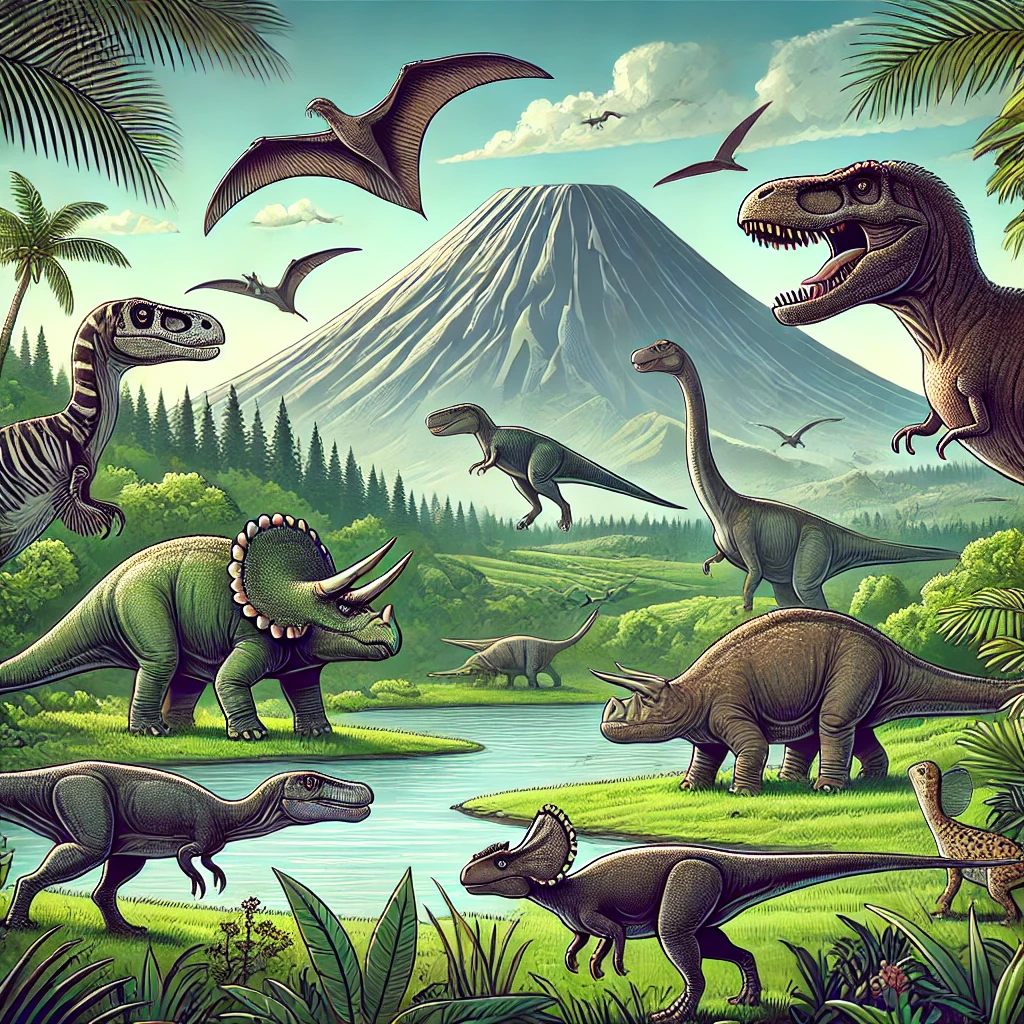
7 Fascinating Facts About Dinosaurs
1. Diverse Species
Dinosaurs were incredibly diverse, with over 700 known species identified by paleontologists. These species varied widely in size, shape, and habitat. Some, like the tiny Compsognathus, were as small as a chicken, while others, like the massive Argentinosaurus, could reach lengths of up to 100 feet and weigh as much as 100 tons. Dinosaurs adapted to a variety of ecological niches, from the herbivorous Triceratops, which roamed the plains, to the carnivorous Spinosaurus, which likely hunted in rivers and coastal waters.
2. Bird Ancestors
Birds are the closest living relatives to dinosaurs, specifically theropod dinosaurs. Theropods, such as the Velociraptor and Tyrannosaurus rex, share many anatomical features with modern birds, including hollow bones, three-toed limbs, and, in many cases, feathers. The connection between birds and dinosaurs is supported by numerous fossil discoveries showing feathered dinosaurs, as well as similarities in their bone structures and reproductive behaviors. This evolutionary link suggests that birds are essentially modern-day dinosaurs.
3. Fossil Discoveries
Dinosaur fossils have been found on every continent, including Antarctica. These discoveries provide valuable insights into the distribution and diversity of dinosaurs across different geographic regions and climates. In Antarctica, for example, fossils of dinosaurs such as the Cryolophosaurus have been found, indicating that these ancient creatures lived in a variety of environments, from tropical forests to polar regions. The widespread distribution of dinosaur fossils helps scientists understand the global extent of their existence and migration patterns.
4. T. Rex Bite Force
The Tyrannosaurus rex had one of the most powerful bite forces of any terrestrial animal, estimated at around 12,800 pounds per square inch. This incredible bite force allowed the T. rex to crush bones and tear through the flesh of its prey with ease. The structure of its skull and jaw muscles was specially adapted to deliver these powerful bites, making the T. rex one of the most formidable predators of its time. This capability not only helped it hunt but also allowed it to scavenge effectively.
5. Feathers
Many dinosaurs, including species of theropods like the Velociraptor, had feathers. These feathers were likely used for a variety of purposes, including insulation, display, and, in some cases, aiding in flight. The discovery of feathered dinosaur fossils has provided significant evidence for the evolutionary link between dinosaurs and birds. For example, the Archaeopteryx, often considered the first bird, had both feathers and features typical of theropod dinosaurs. This discovery has reshaped our understanding of how feathers and flight evolved.
6. Mass Extinction
Dinosaurs went extinct around 66 million years ago, at the end of the Cretaceous period, in an event known as the Cretaceous-Paleogene (K-Pg) extinction. This mass extinction was likely caused by a combination of factors, including massive volcanic eruptions, significant climate change, and the impact of a large asteroid or comet. The asteroid impact, which created the Chicxulub crater in present-day Mexico, would have caused widespread fires, tsunamis, and a “nuclear winter” effect, drastically altering the Earth’s climate and ecosystems. These catastrophic events led to the extinction of about 75% of Earth’s species, including most dinosaurs.
7. Dinosaur Eggs
Fossilized dinosaur eggs and nests have been discovered around the world, providing valuable insights into the reproductive behavior of dinosaurs. These fossils reveal details about nesting habits, parental care, and the development of dinosaur embryos. Some dinosaurs, like the Oviraptor, were found fossilized in brooding positions over their nests, similar to modern birds. This suggests that some dinosaurs exhibited complex behaviors, including caring for their young. The study of these eggs and nests helps paleontologists understand the life cycles and social behaviors of these ancient creatures.
These seven facts highlight the incredible diversity, adaptability, and evolutionary significance of dinosaurs, shedding light on their lives and their enduring legacy in the form of modern birds.
10 responses to “7 Fascinating Facts About Dinosaurs”
Absolutely composed articles, Really enjoyed looking through.
Thanks for sharing superb informations. Your website is so cool. I’m impressed by the details that you?¦ve on this blog. It reveals how nicely you understand this subject. Bookmarked this web page, will come back for more articles. You, my pal, ROCK! I found simply the information I already searched all over the place and just could not come across. What a perfect web-site.
hi!,I love your writing very so much! share we be in contact more approximately your post on AOL? I need an expert in this house to resolve my problem. Maybe that is you! Looking ahead to see you.
Utterly composed articles, Really enjoyed looking through.
I found your blog site on google and examine a few of your early posts. Continue to maintain up the excellent operate. I just additional up your RSS feed to my MSN News Reader. In search of ahead to studying extra from you in a while!…
I’m not sure where you’re getting your information, however good topic. I needs to spend some time studying more or working out more. Thanks for excellent information I used to be in search of this information for my mission.
I’m not that much of a internet reader to be honest but your blogs really nice, keep it up! I’ll go ahead and bookmark your site to come back later on. Cheers
Having read this I thought it was very informative. I appreciate you taking the time and effort to put this article together. I once again find myself spending way to much time both reading and commenting. But so what, it was still worth it!
Very interesting information!Perfect just what I was looking for! “You have to be deviant if you’re going to do anything new.” by David Lee.
You could definitely see your expertise in the paintings you write. The arena hopes for more passionate writers such as you who are not afraid to say how they believe. Always go after your heart.