Author: Ste Magazine

  • Discovering Sekoteng: Indonesia’s Traditional Warming Drink

    Discovering Sekoteng: Indonesia’s Traditional Warming Drink

    Discovering Sekoteng: Indonesia’s Traditional Warming Drink

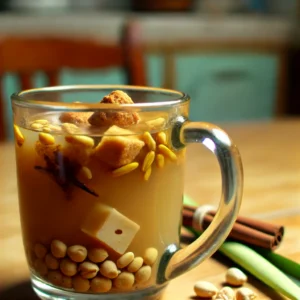
    Indonesia, celebrated for its abundant cultural heritage and varied culinary scene, boasts an array of traditional foods and drinks. One of the most cherished is Sekoteng, a favorite particularly during cool or rainy weather. This warming ginger-infused drink is not only delicious but also offers numerous health advantages. Let’s explore the history, ingredients, preparation, and cultural importance of Sekoteng.

    The Origins of Sekoteng

    Sekoteng is a traditional Indonesian drink that has its roots in the Chinese-Indonesian community. It is believed to have been introduced by Chinese immigrants who settled in Indonesia centuries ago. Over time, the drink has been adapted to local tastes and has become an integral part of Indonesian culinary traditions. Sekoteng is particularly popular in Java and other regions with cooler climates, where it is enjoyed as a warming and comforting beverage.

    Key Ingredients

    The beauty of Sekoteng lies in its simplicity and the natural goodness of its ingredients. Here are the key components that make up this delicious drink:

    1. Ginger (Jahe): The primary ingredient of Sekoteng, ginger imparts a distinct spicy flavor and warmth to the drink. It is also known for its digestive and anti-inflammatory properties.
    2. Cinnamon (Kayu Manis): Adding a sweet and aromatic touch, cinnamon enhances the overall flavor profile of Sekoteng.
    3. Pandan Leaves (Daun Pandan): These leaves are used to add a subtle fragrance and flavor to the drink.
    4. Candied Fruits and Nuts: Common additions include candied ginger, peanuts, and mung beans, providing a delightful texture and contrast.
    5. Palm Sugar (Gula Aren): This natural sweetener is preferred for its rich, caramel-like flavor that complements the spiciness of ginger.
    6. Bread Cubes: Toasted bread cubes are often added to Sekoteng, absorbing the flavorful liquid and adding a unique texture to the drink.

    How to Make Sekoteng

    Making Sekoteng at home is a straightforward process. Here’s a simple recipe to prepare this traditional Indonesian drink:

    Ingredients:

    • 100 grams of ginger, peeled and sliced
    • 2 cinnamon sticks
    • 3 pandan leaves, tied in a knot
    • 150 grams of palm sugar, grated
    • 1 liter of water
    • 100 grams of candied ginger, chopped
    • 50 grams of peanuts, roasted
    • 50 grams of mung beans, cooked
    • Bread cubes (optional)

    Instructions:

    1. Prepare the Ginger Base: In a large pot, combine the sliced ginger, cinnamon sticks, and pandan leaves with 1 liter of water. Bring to a boil, then reduce the heat and let it simmer for about 20 minutes until the water is infused with the flavors.
    2. Add Sweetness: Add the grated palm sugar to the pot, stirring until it is completely dissolved. Adjust the sweetness according to your preference.
    3. Strain the Liquid: Remove the pot from the heat and strain the liquid to remove the ginger, cinnamon, and pandan leaves.
    4. Assemble the Sekoteng: In serving bowls or glasses, place a handful of candied ginger, roasted peanuts, cooked mung beans, and bread cubes. Pour the hot ginger-infused liquid over these ingredients.
    5. Serve Hot: Enjoy Sekoteng while it is still hot, savoring the warm, spicy, and sweet flavors with every sip.

    Health Benefits of Sekoteng

    Beyond its comforting taste, Sekoteng is known for its numerous health benefits. Here are some reasons why this traditional drink is good for you:

    1. Digestive Aid: Ginger is well-known for its digestive properties, helping to alleviate nausea, indigestion, and bloating.
    2. Anti-Inflammatory: The ginger and cinnamon in Sekoteng have anti-inflammatory properties, which can help reduce inflammation and pain in the body.
    3. Immune Booster: Ginger contains antioxidants and has antimicrobial properties, which can help boost the immune system and protect against infections.
    4. Warming Effect: The warming nature of Sekoteng makes it an excellent choice for cold weather, helping to warm the body from within.

    Cultural Significance

    Sekoteng holds a special place in Indonesian culture. It is often enjoyed during social gatherings and family get-togethers, especially in the evening. Street vendors selling Sekoteng are a common sight in many Indonesian cities, where people gather to enjoy this warming beverage and share stories. The drink is also a popular choice during festivals and celebrations, adding to its cultural importance.

    Conclusion

    Sekoteng is more than just a drink; it is a reflection of Indonesia’s rich cultural tapestry and culinary heritage. Its warm, spicy, and sweet flavors offer a comforting experience that brings people together. Whether you are exploring Indonesian cuisine or looking for a warm beverage to enjoy on a chilly day, Sekoteng is a delightful choice that promises both taste and health benefits. So, why not try making Sekoteng at home and experience a piece of Indonesia’s traditional culinary charm?

  • Discovering Bukittinggi: A Jewel in West Sumatra, Indonesia

    Discovering Bukittinggi: A Jewel in West Sumatra, Indonesia

    Discovering Bukittinggi: A Jewel in West Sumatra, Indonesia

    Introduction

    Bukittinggi, a charming town located in the highlands of West Sumatra, Indonesia, is known for its cool climate, historical significance, and breathtaking natural beauty. Nestled among mountains and valleys, Bukittinggi offers a unique blend of cultural heritage, scenic landscapes, and vibrant local life. This comprehensive travel guide will take you through the best attractions, accommodations, dining options, and travel tips for visiting Bukittinggi.

    Top Attractions in Bukittinggi

    Jam Gadang

    Jam Gadang, the iconic clock tower and symbol of Bukittinggi, stands proudly in the town’s central square. Built by the Dutch in 1926, this landmark is a popular gathering spot for both locals and tourists.

    • Admire the Architecture: The clock tower’s design features traditional Minangkabau elements.
    • Explore the Surroundings: The area around Jam Gadang is lively, with shops, street vendors, and cafes.

    Fort de Kock

    Fort de Kock is a historic Dutch fort located on a hill, offering panoramic views of Bukittinggi. The fort, built in the early 19th century, now houses a museum and is connected to the Bukittinggi Zoo and Kinantan Cultural and Wildlife Park by a suspension bridge.

    • Learn About History: Visit the museum to learn about the colonial history of the region.
    • Enjoy the View: The fort’s hilltop location provides stunning vistas of the town and surrounding mountains.

    Ngarai Sianok (Sianok Canyon)

    Ngarai Sianok, also known as Sianok Canyon, is a breathtaking natural wonder located just outside Bukittinggi. The canyon features steep cliffs, lush greenery, and a river running through it.

    • Hiking and Trekking: Explore the trails and enjoy the serene beauty of the canyon.
    • Photography: Capture stunning photos of the dramatic landscape.

    Japanese Tunnels (Lobang Jepang)

    The Japanese Tunnels, or Lobang Jepang, are an extensive network of underground tunnels built by the Japanese during World War II. These tunnels, located near Ngarai Sianok, were used as storage and hiding places during the occupation.

    • Historical Exploration: Take a guided tour to learn about the history and purpose of the tunnels.
    • Experience the Atmosphere: Walk through the dimly lit tunnels and imagine the conditions during the war.

    Panorama Park

    Panorama Park offers spectacular views of Ngarai Sianok and Mount Singgalang. The park is a great place to relax and take in the natural beauty of Bukittinggi.

    • Scenic Views: Enjoy the panoramic vistas of the canyon and mountains.
    • Leisure Activities: The park has walking paths, benches, and gardens for a leisurely stroll.

    Where to Stay in Bukittinggi

    Luxurious Hotels

    Bukittinggi offers a range of luxurious accommodations for those seeking comfort and elegance.

    • Grand Rocky Hotel Bukittinggi: A stylish hotel with modern amenities and stunning views of the surrounding hills.
    • Novotel Bukittinggi: A centrally located hotel offering luxurious rooms and excellent service.

    Budget-Friendly Accommodations

    For travelers on a budget, Bukittinggi has plenty of affordable options, including guesthouses and budget hotels.

    • Hello Guest House: A cozy and budget-friendly guesthouse with a welcoming atmosphere.
    • Hotel Dymens: Affordable accommodation with comfortable rooms and easy access to major attractions.

    Where to Eat in Bukittinggi

    Traditional Minangkabau Cuisine

    Bukittinggi is famous for its Minangkabau cuisine, known for its rich flavors and spicy dishes.

    • Rendang: A slow-cooked beef dish with a complex blend of spices.
    • Sate Padang: Skewered meat served with a thick, spicy sauce.
    • Gulai: A rich, spicy curry made with meat or vegetables.

    Popular Restaurants

    Bukittinggi boasts a variety of restaurants where visitors can enjoy both local and international cuisine.

    • Turret Café: A cozy café offering both local and Western food options.
    • Simpang Raya: Famous for its rendang and other traditional dishes.

    Tips for Traveling in Bukittinggi

    Best Time to Visit

    The best time to visit Bukittinggi is during the dry season, from May to September. The weather is pleasant, making it ideal for outdoor activities and sightseeing.

    Transportation

    Getting around Bukittinggi is relatively easy, with various transportation options available.

    • Rent a Car: Renting a car is a convenient way to explore the town and its surroundings at your own pace.
    • Public Transportation: Minibusses (angkot) are available for traveling around the town.
    • Motorbike Rentals: For shorter distances and more flexibility, renting a motorbike is a popular option.

    Safety and Etiquette

    While Bukittinggi is generally safe for tourists, it’s important to be aware of local customs and etiquette.

    • Respect Local Traditions: Dress modestly and behave respectfully, especially when visiting religious sites.
    • Stay Hydrated: The highland climate can be cool, but it’s still important to drink plenty of water.
    • Be Mindful of Natural Hazards: Some areas may be prone to natural hazards such as earthquakes and volcanic activity.

    Conclusion

    Bukittinggi, a jewel in West Sumatra, offers a unique blend of natural beauty, cultural richness, and historical significance. Whether you’re exploring the iconic Jam Gadang, hiking through the serene Ngarai Sianok, or savoring the flavors of Minangkabau cuisine, you’ll find plenty of reasons to fall in love with this enchanting town. Plan your trip to Bukittinggi today and discover the many wonders that await you.

    4o

  • Discovering Padang: The Capital City of West Sumatra, Indonesia

    Discovering Padang: The Capital City of West Sumatra, Indonesia

    Discovering Padang: The Capital City of West Sumatra, Indonesia

    Introduction

    Padang, the bustling capital of West Sumatra, Indonesia, is a city rich in culture, history, and natural beauty. Known for its scenic beaches, vibrant culinary scene, and unique architecture, Padang serves as a gateway to exploring the wonders of West Sumatra. This comprehensive travel guide will take you through the best attractions, accommodations, dining options, and travel tips for visiting Padang.

    Top Attractions in Padang

    Siti Nurbaya Bridge

    Siti Nurbaya Bridge is a famous landmark in Padang, offering stunning views of the city and the coastline. The bridge is named after a character from a popular Indonesian novel and is a great spot for sunset photography.

    • Enjoy the Views: Capture panoramic views of Padang city and the Indian Ocean.
    • Sunset Spot: Ideal location to watch the sunset over the horizon.

    Air Manis Beach

    Air Manis Beach is renowned for its serene beauty and the legend of Malin Kundang, a folklore character who was turned into stone. The beach is perfect for a relaxing day by the sea.

    • Relax by the Sea: Enjoy the calm waters and sandy shores.
    • Explore the Malin Kundang Stone: Visit the stone sculpture depicting the legend of Malin Kundang.

    Padang Old Town

    Padang Old Town is a historical area filled with colonial-era buildings and cultural sites. Walking through the streets of Padang Old Town gives a glimpse into the city’s past.

    • Historic Architecture: Admire the well-preserved Dutch colonial buildings.
    • Cultural Experience: Visit traditional shops and museums showcasing Padang’s history.

    Adityawarman Museum

    Adityawarman Museum is dedicated to the culture and history of the Minangkabau people. The museum is housed in a traditional Minangkabau building with a distinctive curved roof.

    • Learn About Minangkabau Culture: Explore exhibits on local traditions, clothing, and artifacts.
    • Architectural Beauty: Appreciate the traditional Minangkabau architecture.

    Where to Stay in Padang

    Luxurious Hotels

    Padang offers several luxurious accommodations for those looking for a comfortable and upscale stay.

    • Mercure Padang: A beachfront hotel with modern amenities and stunning views.
    • Grand Zuri Hotel Padang: Located in the city center, offering luxury and convenience.

    Budget-Friendly Accommodations

    Travelers on a budget can find plenty of affordable options in Padang, including guesthouses and budget hotels.

    • Brigitte’s House: A cozy and budget-friendly guesthouse with a welcoming atmosphere.
    • Hotel Pangeran Beach: Affordable accommodation with easy access to the beach.

    Where to Eat in Padang

    Traditional Padang Cuisine

    Padang is famous for its Minangkabau cuisine, known for its rich flavors and spicy dishes.

    • Rendang: A slow-cooked beef dish with a complex blend of spices.
    • Sate Padang: Skewered meat served with a thick, spicy sauce.
    • Nasi Padang: A rice dish served with various side dishes and sambal (chili paste).

    Popular Restaurants

    Padang boasts a variety of restaurants where visitors can enjoy both local and international cuisine.

    • Lamun Ombak: A popular restaurant known for its delicious Minangkabau dishes.
    • Simpang Raya: Famous for its rendang and other traditional dishes.

    Tips for Traveling in Padang

    Best Time to Visit

    The best time to visit Padang is during the dry season, from May to September. The weather is pleasant, making it ideal for outdoor activities and sightseeing.

    Transportation

    Getting around Padang is relatively easy, with various transportation options available.

    • Rent a Car: Renting a car is a convenient way to explore the city at your own pace.
    • Public Transportation: Buses and minibusses (angkot) are available for traveling around the city.
    • Motorbike Rentals: For shorter distances and more flexibility, renting a motorbike is a popular option.

    Safety and Etiquette

    While Padang is generally safe for tourists, it’s important to be aware of local customs and etiquette.

    • Respect Local Traditions: Dress modestly and behave respectfully, especially when visiting religious sites.
    • Stay Hydrated: The tropical climate can be hot, so drink plenty of water.
    • Be Mindful of Natural Hazards: Some areas may be prone to natural hazards such as earthquakes and volcanic activity.

    Conclusion

    Padang, the capital city of West Sumatra, offers a unique blend of natural beauty, cultural richness, and historical significance. Whether you’re exploring the historical streets of Padang Old Town, relaxing on Air Manis Beach, or savoring the flavors of Minangkabau cuisine, you’ll find plenty of reasons to fall in love with this vibrant city. Plan your trip to Padang today and discover the many wonders that await you.

  • Exploring the Wonders of West Sumatra: A Comprehensive Travel Guide

    Exploring the Wonders of West Sumatra: A Comprehensive Travel Guide

    Exploring the Wonders of West Sumatra: A Comprehensive Travel Guide

    Introduction

    West Sumatra, located on the western coast of the Indonesian island of Sumatra, is a region rich in natural beauty, cultural heritage, and unique attractions. From stunning landscapes and vibrant cities to traditional villages and historical sites, West Sumatra offers a diverse range of experiences for every type of traveler.

    Top Attractions in West Sumatra

    Padang – The Capital City

    Padang, the capital city of West Sumatra, serves as the main gateway to the region. It’s known for its beautiful beaches, colonial architecture, and delicious cuisine.

    • Explore Siti Nurbaya Bridge: A scenic spot offering panoramic views of the city and the ocean.
    • Visit Air Manis Beach: Famous for the legend of Malin Kundang and its picturesque scenery.
    • Stroll Through Padang Old Town: Discover colonial-era buildings and historical sites.

    Bukittinggi – A Historical Gem

    Bukittinggi, located in the highlands, is a charming town known for its cool climate and historical significance. It offers a blend of natural beauty and cultural heritage.

    • Admire Jam Gadang: The iconic clock tower and symbol of Bukittinggi.
    • Explore Fort de Kock: A historic Dutch fort with a museum and a panoramic view.
    • Visit Ngarai Sianok: A stunning canyon with breathtaking views and walking trails.

    Lake Maninjau – A Volcanic Beauty

    Lake Maninjau, a volcanic crater lake, is one of the most scenic spots in West Sumatra. The lake is surrounded by lush hills and offers a peaceful retreat for visitors.

    • Enjoy the Scenic Drive: The journey to the lake includes 44 hairpin bends known as “Kelok 44.”
    • Relax by the Lake: Enjoy the tranquil atmosphere and picturesque views.
    • Experience Local Culture: Visit nearby villages to learn about Minangkabau traditions.

    Harau Valley – A Natural Wonderland

    Harau Valley, often referred to as the “Yosemite of Indonesia,” is renowned for its dramatic cliffs, waterfalls, and lush greenery. It’s a paradise for nature lovers and adventure seekers.

    • Trek Through the Valley: Explore the scenic trails and discover hidden waterfalls.
    • Rock Climbing: The cliffs of Harau are a popular spot for rock climbing enthusiasts.
    • Visit Traditional Villages: Experience the local way of life in the surrounding villages.

    Where to Stay in West Sumatra

    Luxurious Resorts

    For those seeking luxury, West Sumatra offers several high-end resorts that provide top-notch amenities and breathtaking views.

    • The Anai Resort & Golf Course: Located near Padang, offering luxury accommodations and a golf course.
    • Grand Rocky Hotel Bukittinggi: A stylish hotel with modern amenities and stunning views of the surrounding hills.

    Budget-Friendly Accommodations

    Travelers on a budget will find plenty of affordable options in West Sumatra, including guesthouses and budget hotels.

    • Brigitte’s House, Padang: A budget-friendly guesthouse with a welcoming atmosphere.
    • Hotel Nikita, Bukittinggi: Affordable and comfortable accommodations in the heart of Bukittinggi.

    Where to Eat in West Sumatra

    Traditional Minangkabau Cuisine

    West Sumatra is famous for its Minangkabau cuisine, known for its rich flavors and spicy dishes.

    • Rendang: A slow-cooked beef dish with a complex blend of spices, often considered one of the best dishes in the world.
    • Sate Padang: Skewered meat served with a thick, spicy sauce.
    • Dendeng Balado: Spicy fried beef served with chili sauce.

    Popular Restaurants

    West Sumatra boasts a variety of restaurants where visitors can enjoy both local and international cuisine.

    • Lamun Ombak, Padang: A popular restaurant known for its delicious Minangkabau dishes.
    • Turret Café, Bukittinggi: A cozy café offering both local and Western food options.

    Tips for Traveling in West Sumatra

    Best Time to Visit

    The best time to visit West Sumatra is during the dry season, from May to September. The weather is pleasant, making it ideal for outdoor activities and sightseeing.

    Transportation

    Getting around West Sumatra is relatively easy, with various transportation options available.

    • Rent a Car: Renting a car is a convenient way to explore the region at your own pace.
    • Public Transportation: Buses and minibusses (angkot) are available for traveling between cities and towns.
    • Motorbike Rentals: For shorter distances and more flexibility, renting a motorbike is a popular option.

    Safety and Etiquette

    While West Sumatra is generally safe for tourists, it’s important to be aware of local customs and etiquette.

    • Respect Local Traditions: Dress modestly and behave respectfully, especially when visiting religious sites.
    • Stay Hydrated: The tropical climate can be hot, so drink plenty of water.
    • Be Mindful of Natural Hazards: Some areas may be prone to natural hazards such as earthquakes and volcanic activity.

    Conclusion

    West Sumatra is a destination that offers a unique blend of natural beauty, cultural richness, and historical significance. Whether you’re exploring the bustling streets of Padang, hiking through the lush Harau Valley, or relaxing by the serene Lake Maninjau, you’ll find plenty of reasons to fall in love with this enchanting region. Plan your trip to West Sumatra today and discover the many wonders that await you.

    4o

  • What You Need to Know Before Learning Japanese Grammar

    What You Need to Know Before Learning Japanese Grammar

    What You Need to Know Before Learning Japanese Grammar

    Embarking on the journey to learn Japanese is an exciting and rewarding endeavor. However, before diving into the intricacies of Japanese grammar, it’s essential to understand some fundamental concepts and prepare yourself adequately. In this blog post, we will cover the basics you need to know before learning Japanese grammar, providing you with a solid foundation for your studies.

    Understanding the Japanese Writing System

    Before you start learning Japanese grammar, it’s crucial to familiarize yourself with the Japanese writing system. Japanese uses three scripts: Hiragana, Katakana, and Kanji.

    • Hiragana: A phonetic script used for native Japanese words and grammatical functions.
    • Katakana: A phonetic script used primarily for foreign words, loanwords, and names.
    • Kanji: Characters borrowed from Chinese, representing words or ideas.

    Learning Hiragana and Katakana is essential as they form the foundation of reading and writing in Japanese. Familiarize yourself with these scripts before moving on to grammar.

    The Importance of Pronunciation

    Japanese pronunciation is relatively straightforward, but mastering it early on will significantly aid your understanding and communication. Focus on learning the correct pronunciation of Hiragana and Katakana characters. Pay attention to the pitch accent, as Japanese is a pitch-accented language where the meaning of a word can change based on pitch.

    Sentence Structure

    Japanese sentence structure is different from English. The basic sentence order in Japanese is Subject-Object-Verb (SOV), unlike the Subject-Verb-Object (SVO) structure in English. For example:

    • English: I eat sushi.
    • Japanese: 私は寿司を食べます。(Watashi wa sushi o tabemasu.) – I sushi eat.

    Understanding this fundamental difference will help you grasp more complex grammatical structures later on.

    Particles

    Particles are small words that indicate the grammatical function of a word in a sentence. They are essential in Japanese grammar. Here are some common particles:

    • は (wa): Topic marker.
    • が (ga): Subject marker.
    • を (o): Object marker.
    • に (ni): Indicates direction, location, or time.
    • で (de): Indicates the location of an action.

    Learning how to use particles correctly is crucial for constructing sentences accurately.

    Politeness Levels

    Japanese has different levels of politeness, which affect verb forms and vocabulary. The three main levels are:

    1. Casual (Informal): Used with friends and family.
    2. Polite (Formal): Used in most everyday interactions.
    3. Honorific (Very Formal): Used in professional settings or when showing great respect.

    Understanding when and how to use these levels of politeness is important for effective communication.

    Verb Conjugation

    Japanese verbs are conjugated to express various tenses and moods. The basic verb forms include:

    • Dictionary Form (Plain Form): The base form of the verb.
    • Masu Form (Polite Form): The polite form of the verb.
    • Te Form: Used to create various grammatical structures.
    • Nai Form: The negative form of the verb.

    Familiarizing yourself with these conjugations will help you understand and form different sentences.

    Adjectives

    Japanese adjectives are categorized into two types: i-adjectives and na-adjectives. Each type has its own conjugation rules. Learning how to conjugate and use adjectives will enable you to describe people, objects, and situations accurately.

    Vocabulary Building

    Having a basic vocabulary is essential for understanding and practicing grammar. Start by learning common words and phrases used in daily life. Use flashcards, language apps, and practice exercises to expand your vocabulary.

    Cultural Context

    Understanding Japanese culture will enhance your language learning experience. Many grammatical structures and expressions are deeply rooted in cultural context. Learning about Japanese customs, traditions, and social norms will give you insights into how the language is used in different situations.

    Practice and Patience

    Learning Japanese grammar requires consistent practice and patience. Use textbooks, online resources, and language learning apps to practice regularly. Engage with native speakers through language exchange programs or find a language tutor to guide you.

    Resources for Learning Japanese Grammar

    Here are some valuable resources to help you get started with Japanese grammar:

    • Genki I & II: Popular textbooks for beginners, covering grammar, vocabulary, and exercises.
    • Tae Kim’s Guide to Learning Japanese: An online resource with detailed explanations and examples.
    • JapanesePod101: Offers audio lessons and practice exercises for all levels.
    • Anki Flashcards: A spaced repetition flashcard app to help with vocabulary and grammar.
    • BunPro: An online platform focusing on Japanese grammar with interactive lessons and quizzes.

    Conclusion

    Before diving into Japanese grammar, it’s essential to have a solid understanding of the basics: the writing system, pronunciation, sentence structure, particles, politeness levels, verb conjugation, adjectives, vocabulary, and cultural context. With consistent practice and the right resources, you’ll be well-prepared to master Japanese grammar and advance in your language learning journey. Happy studying!

  • Mastering Japanese Katakana: A Comprehensive Guide for Beginners

    Mastering Japanese Katakana: A Comprehensive Guide for Beginners

    Mastering Japanese Katakana: A Comprehensive Guide for Beginners

    Learning Japanese opens up a world of rich culture, history, and communication. One of the foundational elements of this beautiful language is Katakana, one of the two phonetic alphabets used in Japanese writing. In this blog post, we’ll explore what Katakana is, why it’s essential, and provide practical tips and resources for mastering this script.

    What is Katakana?

    Katakana is a phonetic alphabet consisting of 46 basic characters, each representing a specific sound. Unlike Hiragana, which is used for native Japanese words and grammatical functions, Katakana is primarily used for foreign words, loanwords, onomatopoeia, technical and scientific terms, and the names of plants, animals, and minerals.

    Why Learn Katakana?

    Learning Katakana is crucial for several reasons:

    1. Understanding Loanwords: Many foreign words and names are written in Katakana, which are commonly used in daily Japanese conversation and media.
    2. Reading and Writing: Katakana is used in various contexts, from menus and signs to advertisements and manga. Recognizing these characters enhances your reading and writing skills.
    3. Pronunciation Practice: Since Katakana represents sounds, it helps in practicing and perfecting your pronunciation of foreign words in Japanese.
    4. Cultural Immersion: Mastering Katakana allows you to engage more deeply with Japanese culture, especially in areas influenced by foreign elements.

    Steps to Learning Katakana

    1. Familiarize Yourself with the Characters

    Begin by familiarizing yourself with the 46 basic Katakana characters. Similar to Hiragana, these characters represent syllables formed by combining consonants with vowels.

    Here is a Katakana chart for reference:

    ア (a) イ (i) ウ (u) エ (e) オ (o)
    カ (ka) キ (ki) ク (ku) ケ (ke) コ (ko)
    サ (sa) シ (shi) ス (su) セ (se) ソ (so)
    タ (ta) チ (chi) ツ (tsu) テ (te) ト (to)
    ナ (na) ニ (ni) ヌ (nu) ネ (ne) ノ (no)
    ハ (ha) ヒ (hi) フ (fu) ヘ (he) ホ (ho)
    マ (ma) ミ (mi) ム (mu) メ (me) モ (mo)
    ヤ (ya) ユ (yu) ヨ (yo)
    ラ (ra) リ (ri) ル (ru) レ (re) ロ (ro)
    ワ (wa) ヲ (wo)
    ン (n)

    2. Practice Writing

    Writing each character repeatedly helps solidify your memory. Use graph paper or printable worksheets to ensure that your characters are correctly proportioned. Follow the correct stroke order for each character, which aids in readability and writing speed.

    3. Use Mnemonics

    Mnemonics can make memorizing Katakana characters more engaging. For instance, the character ア (a) can be remembered as an antenna, and カ (ka) resembles a cut.

    4. Flashcards

    Flashcards are a powerful tool for reinforcing memory. You can create your own flashcards or use digital flashcard apps like Anki or Quizlet, which often have pre-made Katakana decks.

    5. Practice Reading

    Start reading simple texts that use Katakana, such as menus, product labels, and children’s books. Reading out loud helps improve your pronunciation and fluency.

    6. Listen and Repeat

    Listening to native speakers and repeating what you hear is vital for mastering pronunciation. Use resources like Japanese language podcasts, YouTube channels, and language learning apps that include audio exercises.

    7. Use Language Apps

    Language learning apps like Duolingo, LingoDeer, and Memrise offer structured lessons and interactive exercises specifically for learning Katakana. These apps often include quizzes and games that make learning more enjoyable.

    8. Join a Study Group

    Joining a local or online study group can provide motivation and additional support. Practicing Katakana with others can enhance your learning experience.

    9. Consistent Practice

    Consistency is key to mastering any new skill. Dedicate a specific time each day to practice Katakana. Even a short daily session can lead to significant progress over time.

    10. Celebrate Progress

    Celebrate your achievements along the way. Learning a new script is a significant accomplishment. Reward yourself for milestones, whether it’s mastering a set of characters or reading your first complete sentence in Katakana.

    Resources for Learning Katakana

    Here are some valuable resources to assist you in learning Katakana:

    • Tofugu’s Katakana Guide: A comprehensive online guide with detailed explanations and mnemonics.
    • JapanesePod101: Offers audio lessons and practice exercises for learning Katakana.
    • Genki I Textbook: A popular textbook that covers Katakana and other beginner-level Japanese content.
    • Anki Flashcards: A spaced repetition flashcard app that aids in memorization.
    • LingoDeer: A language learning app with structured lessons for Katakana and other aspects of Japanese.

    Conclusion

    Learning Katakana is an essential step in your Japanese language journey. By following the steps outlined in this guide and utilizing the resources provided, you can master Katakana and build a strong foundation for further Japanese study. Remember to practice consistently, use mnemonics, and immerse yourself in the language as much as possible. Happy learning!

  • Mastering Japanese Hiragana: A Beginner’s Guide

    Mastering Japanese Hiragana: A Beginner’s Guide

    Mastering Japanese Hiragana: A Beginner’s Guide

    Learning a new language can be both exciting and challenging, and Japanese is no exception. One of the first steps in mastering Japanese is learning Hiragana, one of the two phonetic alphabets used in the Japanese writing system. In this blog post, we will explore what Hiragana is, why it’s important, and provide practical tips and resources for learning this essential script.

    What is Hiragana?

    Hiragana is a phonetic alphabet consisting of 46 characters, each representing a distinct sound. It is used primarily for native Japanese words and grammatical functions. Unlike Kanji, which are complex characters borrowed from Chinese, Hiragana characters are simpler and represent syllables rather than whole words or ideas.

    Why Learn Hiragana?

    Learning Hiragana is crucial for several reasons:

    1. Foundation of Japanese Writing: Hiragana is the building block of Japanese writing. It is used in conjunction with Kanji and Katakana to form complete sentences.
    2. Pronunciation Guide: Hiragana characters represent specific sounds, making them a valuable tool for learning proper pronunciation.
    3. Grammar and Function Words: Many grammatical elements and function words in Japanese are written in Hiragana.
    4. Ease of Reading: Understanding Hiragana allows you to read children’s books, manga, and other beginner materials, which are often written entirely in Hiragana.

    Steps to Learning Hiragana

    1. Familiarize Yourself with the Characters

    The first step in learning Hiragana is to familiarize yourself with the 46 basic characters. These are divided into five vowel sounds (a, i, u, e, o) and their combinations with consonants (k, s, t, n, h, m, y, r, w).

    Here is a Hiragana chart for reference:

    あ (a) い (i) う (u) え (e) お (o)
    か (ka) き (ki) く (ku) け (ke) こ (ko)
    さ (sa) し (shi) す (su) せ (se) そ (so)
    た (ta) ち (chi) つ (tsu) て (te) と (to)
    な (na) に (ni) ぬ (nu) ね (ne) の (no)
    は (ha) ひ (hi) ふ (fu) へ (he) ほ (ho)
    ま (ma) み (mi) む (mu) め (me) も (mo)
    や (ya)ゆ (yu) よ (yo)
    ら (ra) り (ri) る (ru) れ (re) ろ (ro)
    わ (wa) を (wo)
    ん (n)

    2. Practice Writing

    Writing each character repeatedly helps reinforce memorization. Use graph paper to ensure that your characters are properly proportioned. Practice each stroke in the correct order, as this will help with legibility and speed.

    3. Use Mnemonics

    Mnemonics are memory aids that can make learning Hiragana more fun and effective. For example, the character き (ki) can be remembered as a key, and さ (sa) looks like someone sitting.

    4. Flashcards

    Flashcards are a great way to test your knowledge and reinforce memorization. You can create your own flashcards or use apps like Anki or Quizlet, which offer pre-made Hiragana flashcard sets.

    5. Practice Reading

    Start reading simple texts written in Hiragana. Children’s books, manga, and beginner-level textbooks often use Hiragana extensively. Practice reading out loud to improve your pronunciation.

    6. Listen and Repeat

    Listening to native speakers and repeating what you hear is crucial for developing good pronunciation and intonation. Use resources like Japanese language podcasts, YouTube channels, and language learning apps that offer audio practice.

    7. Use Language Apps

    Language learning apps like Duolingo, LingoDeer, and Memrise offer structured lessons and interactive exercises for learning Hiragana. These apps often include quizzes and games that make learning more engaging.

    8. Join a Study Group

    Learning with others can be motivating and provide additional support. Join a local or online study group where you can practice reading and writing Hiragana with fellow learners.

    9. Consistent Practice

    Consistency is key to language learning. Dedicate a specific time each day to practice Hiragana. Even 10-15 minutes daily can lead to significant progress over time.

    10. Celebrate Progress

    Finally, celebrate your progress! Learning a new writing system is a significant achievement. Reward yourself for reaching milestones, whether it’s mastering a set of characters or reading your first complete sentence in Hiragana.

    Resources for Learning Hiragana

    Here are some useful resources to help you on your journey to mastering Hiragana:

    • Tofugu’s Hiragana Guide: A comprehensive online guide with detailed explanations and mnemonics.
    • JapanesePod101: Offers audio lessons and practice exercises for learning Hiragana.
    • Genki I Textbook: A popular textbook that covers Hiragana and other beginner-level Japanese content.
    • Anki Flashcards: A spaced repetition flashcard app that helps with memorization.
    • LingoDeer: A language learning app with structured lessons for Hiragana and other aspects of Japanese.

    Conclusion

    Learning Hiragana is an essential step in your Japanese language journey. By following the steps outlined in this guide and utilizing the resources provided, you can master Hiragana and lay a strong foundation for further Japanese study. Remember to practice consistently, use mnemonics, and immerse yourself in the language as much as possible. Happy learning!

  • Discover Bajigur: A Traditional Drink from Indonesia

    Discover Bajigur: A Traditional Drink from Indonesia

    Discover Bajigur: A Traditional Drink from Indonesia

    Indonesia is renowned for its rich and diverse culinary heritage, offering a plethora of traditional foods and beverages. One such delightful and warming drink is Bajigur, a traditional Indonesian beverage hailing from the Sundanese culture in West Java. This drink, made from coconut milk and palm sugar, is not only delicious but also carries cultural significance. In this article, we will explore the origins, ingredients, preparation, and cultural context of Bajigur, inviting you to savor this unique Indonesian drink.

    Origins of Bajigur

    Bajigur originated in the Sundanese region of West Java, Indonesia. It has been enjoyed for generations, particularly during the cool rainy season. Traditionally, Bajigur was served by street vendors who roamed the villages and towns, carrying the drink in a large bamboo container over their shoulders. They would often sell Bajigur alongside other traditional snacks, creating a cozy and communal atmosphere.

    Ingredients

    The main ingredients of Bajigur are simple yet flavorful, highlighting the natural sweetness of coconut and palm sugar. Here’s what you need to make Bajigur:

    • Coconut Milk (Santan): The creamy base of Bajigur, providing a rich and smooth texture.
    • Palm Sugar (Gula Aren or Gula Jawa): Adds sweetness and a distinct caramel-like flavor.
    • Pandan Leaves (Daun Pandan): Infused in the drink for a fragrant aroma.
    • Ginger (Jahe): Adds a warm, spicy note to the drink.
    • Cinnamon Stick (Kayu Manis): Enhances the flavor with a hint of spice.
    • Salt (Garam): A pinch of salt to balance the sweetness.

    Preparation

    Making Bajigur at home is a straightforward process. Follow these steps to prepare this comforting beverage:

    Ingredients:

    • 500 ml coconut milk
    • 100 grams palm sugar, grated or chopped
    • 2 pandan leaves, tied into knots
    • 1 piece of ginger (about 3 cm), crushed
    • 1 cinnamon stick
    • A pinch of salt

    Instructions:

    1. Prepare the Ingredients:
      • Grate or chop the palm sugar for easier melting.
      • Crush the ginger to release its flavor.
      • Tie the pandan leaves into knots.
    2. Combine and Heat:
      • In a saucepan, combine the coconut milk, palm sugar, pandan leaves, ginger, cinnamon stick, and salt.
      • Stir well to ensure the sugar dissolves completely.
    3. Simmer:
      • Place the saucepan over medium heat.
      • Bring the mixture to a gentle simmer, stirring occasionally to prevent the coconut milk from curdling.
      • Simmer for about 15-20 minutes, allowing the flavors to meld together.
    4. Strain and Serve:
      • Remove the pandan leaves, ginger, and cinnamon stick.
      • Pour the Bajigur into cups or mugs.
      • Serve hot and enjoy the comforting warmth of this traditional Indonesian drink.

    Cultural Context

    Bajigur is more than just a drink; it is a reflection of Indonesian hospitality and communal culture. In West Java, it is often enjoyed during social gatherings, family get-togethers, or simply as a way to warm up on a rainy day. Vendors selling Bajigur are still a common sight in traditional markets and villages, often accompanied by snacks like boiled bananas, sweet potatoes, and sticky rice cakes.

    Health Benefits

    Bajigur is not only tasty but also offers several health benefits:

    • Coconut Milk: Rich in healthy fats, vitamins, and minerals.
    • Ginger: Known for its anti-inflammatory and digestive properties.
    • Pandan Leaves: Believed to have calming effects and aid in digestion.
    • Palm Sugar: A natural sweetener with a lower glycemic index compared to refined sugar.

    Conclusion

    Bajigur is a delightful example of Indonesia’s rich culinary traditions. Its simple yet flavorful ingredients, combined with its cultural significance, make it a must-try beverage. Whether you are looking to explore new flavors or seeking a comforting drink to warm you up, Bajigur is a perfect choice. So, gather the ingredients, follow the steps, and enjoy a cup of this traditional Indonesian drink. Happy sipping!

  • Mastering Interrogative Sentences with 吗 (Ma) in Mandarin Chinese

    Mastering Interrogative Sentences with 吗 (Ma) in Mandarin Chinese

    Mastering Interrogative Sentences with 吗 (Ma) in Mandarin Chinese

    Forming questions is an essential skill in any language, and in Mandarin Chinese, one of the most common ways to create a yes-no question is by using the particle 吗 (ma). Understanding how to use 吗 (ma) correctly will significantly enhance your ability to communicate effectively in Chinese. This article will guide you through the use of 吗 (ma) to form interrogative sentences, along with examples and practice exercises to help you master this aspect of Mandarin grammar.

    The Basic Structure of Interrogative Sentences with 吗 (Ma)

    In Mandarin Chinese, the particle 吗 (ma) is added to the end of a declarative sentence to turn it into a yes-no question. The basic sentence structure remains unchanged, making it easy to form questions.

    Structure:

    • Statement + 吗 (ma) = Yes-No Question

    Examples:

    • 你是学生。 (Nǐ shì xuéshēng.) – You are a student.
    • 你是学生吗? (Nǐ shì xuéshēng ma?) – Are you a student?
    • 他喜欢中国菜。 (Tā xǐhuān Zhōngguó cài.) – He likes Chinese food.
    • 他喜欢中国菜吗? (Tā xǐhuān Zhōngguó cài ma?) – Does he like Chinese food?

    Using 吗 (Ma) with Different Types of Statements

    1. Affirmative Statements:
      • 她是老师。 (Tā shì lǎoshī.) – She is a teacher.
      • 她是老师吗? (Tā shì lǎoshī ma?) – Is she a teacher?
    2. Negative Statements:
      • 我不是学生。 (Wǒ bú shì xuéshēng.) – I am not a student.
      • 你不是学生吗? (Nǐ bú shì xuéshēng ma?) – Aren’t you a student?
    3. Statements with Adjectives:
      • 这个苹果很好吃。 (Zhège píngguǒ hěn hǎochī.) – This apple is delicious.
      • 这个苹果很好吃吗? (Zhège píngguǒ hěn hǎochī ma?) – Is this apple delicious?

    Answering Yes-No Questions with 吗 (Ma)

    When answering yes-no questions formed with 吗 (ma), you can use the following responses:

    • Yes: Use the verb from the question.
      • 你是学生吗?(Nǐ shì xuéshēng ma?) – Are you a student?
        • 是, 我是学生。 (Shì, wǒ shì xuéshēng.) – Yes, I am a student.
    • No: Use the negative form of the verb.
      • 你是学生吗?(Nǐ shì xuéshēng ma?) – Are you a student?
        • 不是, 我不是学生。 (Bú shì, wǒ bú shì xuéshēng.) – No, I am not a student.

    Forming Questions with Various Verbs

    1. Using Action Verbs:
      • 他去学校。 (Tā qù xuéxiào.) – He goes to school.
      • 他去学校吗? (Tā qù xuéxiào ma?) – Does he go to school?
    2. Using Modal Verbs:
      • 你会说中文。 (Nǐ huì shuō Zhōngwén.) – You can speak Chinese.
      • 你会说中文吗? (Nǐ huì shuō Zhōngwén ma?) – Can you speak Chinese?
    3. Using Auxiliary Verbs:
      • 你要喝茶。 (Nǐ yào hē chá.) – You want to drink tea.
      • 你要喝茶吗? (Nǐ yào hē chá ma?) – Do you want to drink tea?

    Common Mistakes to Avoid

    1. Forgetting 吗 (ma): Ensure you add 吗 (ma) at the end of the statement to form a question.
      • Incorrect: 你是学生。 (Nǐ shì xuéshēng.)
      • Correct: 你是学生吗? (Nǐ shì xuéshēng ma?)
    2. Incorrect Word Order: The word order in the statement should remain unchanged when adding 吗 (ma).
      • Incorrect: 吗你是学生? (Ma nǐ shì xuéshēng?)
      • Correct: 你是学生吗? (Nǐ shì xuéshēng ma?)
    3. Using 吗 (ma) with Non-Questions: Avoid using 吗 (ma) in sentences that are not intended to be questions.
      • Incorrect: 我是学生吗。 (Wǒ shì xuéshēng ma.)
      • Correct: 我是学生。 (Wǒ shì xuéshēng.)

    Practice Exercises

    To reinforce your understanding of using 吗 (ma) to form interrogative sentences, try these exercises:

    1. Translate the following sentences into Chinese:
      • “Are you a teacher?”
      • “Does she like coffee?”
      • “Is it raining?”

    Answers:

    • 你是老师吗? (Nǐ shì lǎoshī ma?)
    • 她喜欢咖啡吗? (Tā xǐhuān kāfēi ma?)
    • 下雨吗? (Xiàyǔ ma?)
    1. Form questions using 吗 (ma) with the given statements:
      • 你会游泳。 (Nǐ huì yóuyǒng.) – You can swim.
      • 他有车。 (Tā yǒu chē.) – He has a car.
      • 他们在家。 (Tāmen zài jiā.) – They are at home.

    Answers:

    • 你会游泳吗? (Nǐ huì yóuyǒng ma?)
    • 他有车吗? (Tā yǒu chē ma?)
    • 他们在家吗? (Tāmen zài jiā ma?)

    Conclusion

    Mastering the use of 吗 (ma) to form interrogative sentences is a fundamental skill in Mandarin Chinese. By understanding the structure and practicing with various types of statements, you can confidently ask yes-no questions and enhance your communication skills. Regular practice and immersion in conversations will help you become more fluent and natural in using this essential grammatical particle. Happy learning!

  • Mastering Sentences with 是 (Shì) in Mandarin Chinese

    Mastering Sentences with 是 (Shì) in Mandarin Chinese

    Mastering Sentences with 是 (Shì) in Mandarin Chinese

    The verb 是 (shì) is one of the most fundamental and frequently used verbs in Mandarin Chinese. It functions similarly to the English verb “to be,” serving as a link between the subject and its description or identification. Understanding how to use 是 (shì) correctly is essential for forming basic sentences in Chinese. This article will provide a comprehensive guide on how to use 是 (shì) in various contexts, along with examples and practice exercises to help you master its usage.

    Basic Usage of 是 (Shì)

    The primary function of 是 (shì) is to link the subject of a sentence with its predicate, which can be a noun, pronoun, or adjective.

    Structure:

    • Subject + 是 (shì) + Predicate

    Examples:

    • 我是学生。(Wǒ shì xuéshēng.) – I am a student.
    • 他是老师。(Tā shì lǎoshī.) – He is a teacher.
    • 这是我的书。(Zhè shì wǒ de shū.) – This is my book.

    Using 是 (Shì) with Nouns

    When 是 (shì) is used to link the subject to a noun, it indicates that the subject is identified or classified as the noun.

    Examples:

    • 她是医生。(Tā shì yīshēng.) – She is a doctor.
    • 我们是朋友。(Wǒmen shì péngyǒu.) – We are friends.
    • 北京是中国的首都。(Běijīng shì Zhōngguó de shǒudū.) – Beijing is the capital of China.

    Using 是 (Shì) with Pronouns

    是 (shì) can also link the subject to a pronoun, emphasizing identification or relation.

    Examples:

    • 那个人是我。(Nàgè rén shì wǒ.) – That person is me.
    • 这些是你的东西。(Zhèxiē shì nǐ de dōngxi.) – These are your things.
    • 那是我们的家。(Nà shì wǒmen de jiā.) – That is our home.

    Using 是 (Shì) with Adjectives

    While 是 (shì) is typically used with nouns and pronouns, it is not used directly with adjectives to describe a subject’s state or quality. Instead, the adjective usually follows the subject directly without 是 (shì). However, 是 (shì) can be used in sentences to emphasize the state or condition when combined with other structures.

    Examples:

    • 他很聪明。(Tā hěn cōngmíng.) – He is very smart. (Note: 很 (hěn) is used instead of 是 (shì).)
    • 这本书是新的。(Zhè běn shū shì xīn de.) – This book is new. (Here, 是 (shì) emphasizes the state with a descriptive particle 的 (de).)

    Forming Questions with 是 (Shì)

    To form questions using 是 (shì), you can add the particle 吗 (ma) at the end of the statement, or use question words such as 什么 (shénme) for “what” or 谁 (shéi) for “who.”

    Examples:

    • 你是学生吗?(Nǐ shì xuéshēng ma?) – Are you a student?
    • 他是谁?(Tā shì shéi?) – Who is he?
    • 这是什么?(Zhè shì shénme?) – What is this?

    Forming Negative Sentences with 是 (Shì)

    To negate a sentence with 是 (shì), use the negative particle 不是 (bú shì) before the predicate.

    Examples:

    • 我不是老师。(Wǒ bú shì lǎoshī.) – I am not a teacher.
    • 这不是我的书。(Zhè bú shì wǒ de shū.) – This is not my book.
    • 他不是学生。(Tā bú shì xuéshēng.) – He is not a student.

    Emphasizing with 是 (Shì)

    是 (shì) can also be used to emphasize a specific element in a sentence, especially in contrastive sentences.

    Examples:

    • 我是昨天来的。(Wǒ shì zuótiān lái de.) – I came yesterday.
    • 是他做的。(Shì tā zuò de.) – It was him who did it.

    Practice Exercises

    To reinforce your understanding of 是 (shì), try these exercises:

    1. Translate the following sentences into Chinese:
      • “She is a teacher.”
      • “This is my book.”
      • “Are you a student?”

    Answers:

    • 她是老师。(Tā shì lǎoshī.)
    • 这是我的书。(Zhè shì wǒ de shū.)
    • 你是学生吗?(Nǐ shì xuéshēng ma?)
    1. Negate the following sentences:
      • 他是医生。(Tā shì yīshēng.)
      • 那是我们的家。(Nà shì wǒmen de jiā.)
      • 这本书是新的。(Zhè běn shū shì xīn de.)

    Answers:

    • 他不是医生。(Tā bú shì yīshēng.)
    • 那不是我们的家。(Nà bú shì wǒmen de jiā.)
    • 这本书不是新的。(Zhè běn shū bú shì xīn de.)
    1. Form questions using 是 (shì):
      • “He is a student.”
      • “This is your pen.”
      • “She is my friend.”

    Answers:

    • 他是学生吗?(Tā shì xuéshēng ma?)
    • 这是你的笔吗?(Zhè shì nǐ de bǐ ma?)
    • 她是我的朋友吗?(Tā shì wǒ de péngyǒu ma?)

    Conclusion

    Mastering the use of 是 (shì) is crucial for forming basic sentences in Mandarin Chinese. Whether you are identifying people, objects, or emphasizing certain aspects of a statement, 是 (shì) serves as an essential building block in your Chinese language skills. Practice regularly, and soon you’ll find yourself using 是 (shì) naturally and confidently in your conversations. Happy learning!