Discover the Magic of Labuan Bajo: A Journey to Indonesia’s Hidden Paradise
Nestled in the western tip of Flores Island, Labuan Bajo has rapidly become one of Indonesia’s top travel destinations. Once a quiet fishing village, it is now a gateway to the enchanting Komodo National Park and a treasure trove of natural beauty. From majestic sunsets over the archipelago to underwater wonders, Labuan Bajo offers an experience that captivates the heart of every traveler. Here’s why this hidden gem should be on your travel bucket list.
The Gateway to Komodo National Park
A majestic Komodo dragon in its natural habitat at Komodo National Park.
One of Labuan Bajo’s main attractions is its proximity to Komodo National Park, a UNESCO World Heritage Site. The park is home to the world’s largest lizards—the Komodo dragons. These prehistoric creatures can grow up to 3 meters long and are found only on a few islands in this region. A day trip to Komodo or Rinca Island gives you a once-in-a-lifetime opportunity to see these fascinating reptiles in their natural habitat.
But the park isn’t just about Komodo dragons. It also offers stunning landscapes, with rugged hills, savannahs, and crystal-clear waters. The islands are dotted with beautiful beaches, perfect for relaxing after a hike. Pink Beach, one of only a few pink sand beaches in the world, is a must-see for its mesmerizing shoreline.
Underwater Wonderland
For diving and snorkeling enthusiasts, Labuan Bajo is nothing short of paradise. The waters around the Komodo Islands are renowned for their rich marine biodiversity. From vibrant coral reefs to an array of marine life including manta rays, sea turtles, and colorful fish, the underwater world is simply breathtaking.
Manta Point, in particular, is a popular spot for manta ray sightings. Swimming alongside these graceful creatures is a surreal experience that attracts divers from all corners of the globe. For those less experienced in diving, there are plenty of shallow reefs for snorkeling where you can enjoy the wonders of the ocean up close.
Trekking to Padar Island
A serene scene of Pink Beach with its pink sand and turquoise waters.
A trip to Labuan Bajo wouldn’t be complete without hiking up Padar Island. The hike to the summit is moderately challenging but worth every step. Once at the top, you’ll be rewarded with one of the most iconic views in Indonesia. The island’s rugged terrain, combined with its three crescent-shaped beaches, creates a striking visual contrast between the deep blue sea and the emerald-green hills. The viewpoint at sunrise or sunset offers breathtaking photography opportunities, making it a favorite spot for nature lovers and Instagram enthusiasts alike.
Exploring the Local Culture
Labuan Bajo offers more than just natural beauty. It’s also a place to immerse yourself in the local culture. The people of Flores are known for their warm hospitality and rich traditions. A visit to the nearby villages like Wae Rebo, a traditional village located high in the mountains, gives you insight into the daily lives of the indigenous Manggarai people. The cone-shaped houses and lush green surroundings make Wae Rebo a unique cultural experience that complements the natural wonders of the region.
The local cuisine is another highlight of the trip. Seafood lovers will rejoice in the abundance of fresh fish, prawns, and squid, often prepared with bold Indonesian spices. Many waterfront restaurants in Labuan Bajo offer delicious meals with a stunning view of the sunset over the harbor, creating the perfect end to an adventurous day.
Sunset Magic and Island Hopping
Labuan Bajo is famous for its magical sunsets, and there’s no better place to witness this than from one of the islands or even a boat. Many visitors opt for a liveaboard experience, where you stay on a boat and explore different islands in the Komodo National Park over several days. This allows you to visit secluded beaches, dive into hidden coves, and witness the islands’ raw beauty without the crowds.
For a shorter excursion, island hopping is an exciting way to explore the nearby islands. Kanawa Island and Seraya Island are popular for their pristine beaches, turquoise waters, and excellent snorkeling spots. You’ll often find yourself surrounded by the serenity of nature, away from the bustle of more popular tourist spots.
Practical Tips for Traveling to Labuan Bajo
Labuan Bajo has a small airport, Komodo Airport, which is well-connected to major cities in Indonesia, such as Bali and Jakarta. Flights from Bali take about an hour and a half, making it a convenient getaway. When visiting, be sure to bring light, breathable clothing, sunscreen, and comfortable shoes for hiking. While Labuan Bajo has grown in popularity, it’s still advisable to book tours and accommodations in advance, especially during peak seasons.
Accommodation options range from budget guesthouses to luxurious resorts, many of which offer stunning views of the harbor and surrounding islands. While the town itself is small, it has everything you need for a comfortable stay, including restaurants, travel agencies, and souvenir shops.
Conclusion: A Paradise Waiting to Be Discovered
Labuan Bajo is a destination that truly has it all—adventure, culture, relaxation, and unparalleled natural beauty. Whether you’re exploring the majestic Komodo dragons, diving into the vibrant underwater world, or simply enjoying a peaceful sunset, this corner of Indonesia promises an unforgettable travel experience. For those seeking both adventure and tranquility, Labuan Bajo is a paradise waiting to be discovered.
A Hortatory exposition is a text which is intended to persuade readers or the listeners that something should or should not happen or be done. The writer needs some arguments to support his thesis. Hortatory text seems very similar to analytical exposition since both of them state thesis as the introduction and present arguments to support the thesis. Yet hortatory exposition builds the arguments in a higher level. It is ended by recommendation; while analytical exposition is ended with a reiteration. Hortatory exposition can be found in numerous functional texts such as sales letter, advertising slogan, speech, a letter to editor, etc.
Social Function
The social function of hortatory exposition is to persuade the readers or listener that something should or should not be the case.
Generic Structure
Thesis It states the issue concerned.
Arguments It tells the reasons for the concerned issue that will lead to recommendation.
Recommendation
It contains statement of what should or should not happen or be done based on the given arguments.
Language Features
Using evaluative words e.g.: important, valuable, trustworthy etc.
Using emotive words e.g.: worried, alarmed etc.
Using temporal connective e.g.: firstly, secondly, etc.
Using cause and effect conjunctions e.g.: because, since, as, therefore, consequently etc.
Using modals e.g.: may, must, should, etc.
Using mental processes to state what the writer or speaker thinks or feels about something e.g.: realize, feel etc.
Using simple present tense and present perfect tense e.g.: Reading habit is poor among Indonesians, and Then, proposing an important person who has taken a role in our nation history is important.
Using passive voice e.g. The campaign can be done through various kinds of mass media.
A. Listening
Listen carefully to the following audio of a Hortatory Exposition Text, then answer the questions that follow.
To download the script of the audio above, please click here.
B. Speaking
Learn and practice this dialogue in pairs with your chair mate!
Title: The Need for Digital Literacy in the Modern World
Situation: Alya is in the school library, preparing for a presentation on digital literacy. Mr. Budi, her teacher, notices her working and approaches to see how she is doing.
Mr. Budi: Good afternoon, Alya. How’s the preparation for your digital literacy presentation going?
Alya: Hello, Mr. Budi! I’m almost done, but I’m still trying to understand why digital literacy is so important nowadays.
Mr. Budi: That’s a great question. What do you think it’s about?
Alya: I know it involves using technology, but is it just about knowing how to use devices, or is there something more to it?
Mr. Budi: Yes, Alya, it’s about much more. Digital literacy means being able to find, understand, and use information online wisely. There’s a lot of information out there—how do you know what’s true?
Alya: That’s a good point. There’s so much false information online.
Mr. Budi: Exactly! Digital literacy helps you find the truth, make smart choices, and stay safe from online dangers like scams.
Alya: So, it’s about using the internet carefully and safely?
Mr. Budi: Exactly. As our world becomes more digital, these skills are essential for your future—in school and your career.
Alya: Thanks, Mr. Budi. I feel much better about my presentation now!
Mr. Budi: You’re going to do great, Alya!
A question to answer: Why does the dialogue text fall into the hortatory exposition category?
Something that prevents someone from giving full attention to something else, often leading to reduced productivity or focus.
13
Academic Performance
A measure of how well a student is achieving their educational goals, often reflected in grades or test scores.
14
Attention Span
The length of time for which a person can concentrate on a task without becoming distracted.
15
Boundaries
Limits that a person sets on what they consider acceptable or appropriate behavior, especially regarding time spent on social media.
16
Influencer
A person with the ability to influence the opinions or behaviors of others, typically through social media platforms.
17
Face-to-Face Interaction
Direct communication between people in the same physical space, as opposed to virtual interactions.
18
Self-Worth
The internal sense of being good enough and worthy of love and belonging from others.
19
Social Cues
The verbal or non-verbal signals that people use to communicate their feelings and intentions in social interactions.
20
Time Management
The process of planning and exercising conscious control over the amount of time spent on specific activities, especially to increase effectiveness, efficiency, or productivity.
The Hidden Costs of Social Media for Teenagers
In today’s digital age, social media has become an integral part of teenagers’ lives. From connecting with friends to sharing their experiences, social media platforms offer countless opportunities for self-expression and communication. However, these platforms also come with significant risks that can impact teenagers’ mental health, social skills, and academic performance. It is crucial for young people, parents, and educators to recognize these dangers and take steps to mitigate them.
Firstly, social media can profoundly affect teenagers’ mental health. Constant exposure to idealized images and lifestyles can lead to feelings of inadequacy and low self-esteem. Teenagers often compare themselves to the seemingly perfect lives of their peers and influencers, leading to anxiety, depression, and a distorted sense of self-worth. Studies have shown that more time on social media correlates with increased mental health issues. Therefore, it is essential for teenagers to understand that what they see online is often a curated version of reality, and their self-worth should not be based on social media validation.
Secondly, social media can negatively affect teenagers’ social skills. While these platforms are designed to connect people, they can also create a barrier to meaningful face-to-face interactions. Reliance on digital communication can lead to poor interpersonal skills, making it difficult for teenagers to develop healthy relationships in real life. They may struggle with reading social cues, expressing emotions, and resolving conflicts. Additionally, the anonymity provided by social media can encourage cyberbullying, which can have devastating effects. It is important for teenagers to balance their online interactions with in-person socialization to develop well-rounded social skills.
Lastly, social media can impact teenagers’ academic performance. Constant notifications and the urge to stay connected can be highly distracting, making it difficult for students to focus on their studies. Many teenagers spend hours scrolling through their feeds or watching videos, often at the expense of homework and sleep. This can lead to lower grades, decreased attention spans, and overall academic decline. To combat this, teenagers should learn to manage their time effectively, set boundaries for social media use, and prioritize their academic responsibilities.
In conclusion, while social media offers numerous benefits, it is a double-edged sword that can have serious consequences if not used responsibly. Teenagers must be aware of the potential risks and take proactive steps to protect their mental health, social skills, and academic performance. By doing so, they can enjoy the advantages of social media while minimizing its negative impacts. Parents and educators also play a crucial role in guiding teenagers to use social media in a healthy and balanced way.
Students independently read and respond to a wide range of texts. They read to learn and read for pleasure. They locate, synthesize and evaluate specific detailsand gist from a range of text genres. These texts might be in the form of print or digital texts, including visual, multimodal or interactive texts. They demonstrate an understanding of the main ideas, issues or plot development in a range of texts. They identify the author’s purpose and make inference to comprehend implicit information in the text.
Learning Objective
After learning the material of report text(reading-viewing element), students will be able to:
get the main idea of a discussion text;
find the detailed information in a discussion text;
get the meaning of vocabulary specific to discussion text, including key terms and phrases, synonym/antonym of words used within the context of the text;
find the idea/person referred by reference in a discussion text;
make inference/draw a conclusion in a discussion text.
To see:
English learning outcomes phase E and F before revision please click here;
The teacher distributes the question sheets to the students and asks them to do the pre-test questions honestly. The questions are in the form of multiple choices totaling 30 questions with a working time of 75 minutes.
The teacher uses the remaining time to convey the learning plan for the next meeting, asking students what they expect from the lesson that will be learned in the next meeting.
The teacher invites the students to close the class with prayer and greeting.
The teacher provides an overview of the material coverage and general learning steps.
The teacher encourages students to recall previous lessons and connect them with the material to be learned (apperception).
Main Activities (105 minutes) A. Pre-Reading Activity
The teacher forms groups of 5 students, then plays a video about green energy.
The students are asked to watch the video to build their knowledge on green energy. Before watching, the teacher shows the students some questions as their guide to watch the video.
After watching, the students discuss the questions in their groups to find the answers to the questions.
Once finished, 1 representative from each group presents their answers from their seats.
During the discussion and when group representatives present their answers, the teacher makes observations and takes notes. Once the presentations are completed, the teacher provides feedback on students’ performance and answers.
B. Vocabulary Introduction
The teacher guides the students to learn vocabulary (related/technical words) to enhance their understanding of the upcoming text. In addition to displaying the words, the teacher also plays audio recordings of the vocabulary and then discusses their meanings with the class.
Once finished, the students are asked to listen to the entire audio of the words to reinforce their understanding.
C. Guided Reading
First Reading
The teacher instructs the students to read the text carefully while listening to the accompanying audio, following each paragraph with the corresponding image.
After reading each paragraph, the teacher discusses the main idea and any unfamiliar words with the class to ensure comprehension.
Second Reading
In their groups, students reread the text, focusing on key elements of the reading topic, using guiding questions to facilitate discussion. As they read, they take notes on important points. Afterward, they consolidate these notes within their groups and prepare their answers. To save time, students remain in their seats while delivering their answers. Before presenting, they are asked to take a photo of their answers and send it to the teacher to prevent copying others’ answers. One representative from each group then presents their findings, and the teacher provides feedback, using this as an opportunity for assessment.
To reinforce and consolidate their learning, the teacher instructs the students to listen to the entire audio or watch the video of reading the text.
D. Discussing the Grammatical Aspects
The teacher, together with the students, reviews the key grammatical aspects of the text, focusing on the simple present tense and any specific grammatical forms that are prominent in the text (passive voice).
The teacher instructs the students to find out the examples of the simple present tense from the text and discuss their function in the text.
The teacher also instructs the students find out the examples of passive voice from the text and discuss their function in the text.
D. Assessment
The teacher assesses the students’ mastery on the text. They are instructed to do a quiz (multiple-choice questions) based on the text. Those questions focus on the main idea, specific detail, vocabulary, reference, and inference, in line with the learning objectives. The teacher will analyze the quiz results to determine which parts are successful and which ones need to be strengthened in the next meeting.
The teacher asks the students to reflect on their learning experience and share any difficulties they encounter during the lesson.
The teacher outlines the learning plan for the next meeting (the next topic will be the pros and cons of the internet) and invites the students to close the class with prayer and greeting.
The teacher introduces the reading topic, the pros and cons of the internet, and then explains the learning objectives and the benefits to motivate the students.
The teacher provides an overview of the material coverage and general learning steps.
The teacher encourages students to recall the previous lessons and connect them with the material to be learned (apperception).
Main Activities (105 minutes) A. Pre-Reading Activity
The teacher forms groups of 5 students, then plays a video about the internet.
The students are asked to watch the video to build their knowledge on the internet. Before watching, the teacher shows the students some questions as their guide to watch the video.
After watching, the students discuss the questions in their groups to find the answers to the questions.
Once finished, 1 representative from each group presents their answers from their seats.
During the discussion and when group representatives present their answers, the teacher makes observations and takes notes. Once the presentations are completed, the teacher provides feedback on students’ performance and answers.
B. Vocabulary Introduction
The teacher guides the students in learning vocabulary (related/technical words) to enhance their understanding of the upcoming text. In addition to displaying the words, the teacher also plays audio recordings of the vocabulary and then discusses their meanings with the class.
Once finished, the students are asked to listen to the entire audio of the words to reinforce their understanding.
C. Guided Reading
First Reading
The teacher instructs the students to read the text carefully while listening to the accompanying audio, following each paragraph with the corresponding image.
After reading each paragraph, the teacher discusses the main idea and any unfamiliar words with the class to ensure comprehension.
Second Reading
In their groups, students reread the text, focusing on key elements of the reading topic, using guiding questions to facilitate discussion. As they read, they take notes on important points. Afterward, they consolidate these notes within their groups and prepare their answers. To save time, students remain in their seats while delivering their answers. Before presenting, they are asked to take a photo of their answers and send it to the teacher to prevent copying others’ answers. One representative from each group then presents their findings, and the teacher provides feedback, using this as an opportunity for assessment.
To reinforce and consolidate their learning, the teacher instructs the students to listen to the entire audio or watch the video of reading the text.
D. Discussing the Grammatical Aspects
The teacher, together with the students, reviews the key grammatical aspects of the text, focusing on Modality.
The teacher guides the students to find out the examples of Modality from the text and discuss their function in the text.
E. Assessment
The teacher assesses the students’ mastery of the text. The students are instructed to do a quiz (multiple-choice questions) based on the text. Those questions focus on the main idea, specific detail, vocabulary, reference, and inference, in line with the learning objectives. The teacher will analyze the quiz results to determine which parts are successful and which ones need to be strengthened in the next meeting.
The teacher asks the students to reflect on their learning experience and share any difficulties they encounter during the lesson.
The teacher outlines the learning plan for the next meeting (the next topic will be the pros and cons of genetic manipulation), and invites the students to close the class with prayer and greeting.
The teacher introduces the reading topic, the pros and cons of genetic manipulation, and then explains the learning objectives and the benefits to motivate the students.
The teacher provides an overview of the material coverage and general learning steps.
The teacher encourages students to recall previous lessons and connect them with the material to be learned (apperception).
Main Activities (105 minutes) A. Pre-Reading Activity
The teacher forms groups of 5 students, then plays a video about genetic manipulation.
The students are asked to watch the video to build their knowledge on genetic manipulation. Before watching, the teacher shows the students some questions as their guide to watch the video.
After watching, the students discuss the questions in their groups to find the answers to the questions.
Once finished, 1 representative from each group presents their answers from their seats.
During the discussion and when group representatives present their answers, the teacher makes observations and takes notes. Once the presentations are completed, the teacher provides feedback on students’ performance and answers.
B. Vocabulary Introduction
The teacher guides the students to learn vocabulary (related/technical words) to enhance their understanding of the upcoming text. In addition to displaying the words, the teacher also plays audio recordings of the vocabulary and then discusses their meanings with the class.
Once finished, the students are instructed to listen to the entire audio of the words to reinforce their understanding.
C. Guided Reading
First Reading
The teacher instructs the students to read the text carefully while listening to the accompanying audio, following each paragraph with the corresponding image.
After reading each paragraph, the teacher discusses the main idea and any unfamiliar words with the class to ensure comprehension.
Second Reading
In their groups, students reread the text, focusing on key elements of the reading topic, using guiding questions to facilitate the discussion. As they read, they take notes on important points. Afterward, they consolidate these notes within their groups and prepare their answers. To save time, students remain in their seats while delivering their answers. Before presenting, they are asked to take a photo of their answers and send it to the teacher to prevent copying others’ answers. One representative from each group then presents their findings, and the teacher provides feedback, using this as an opportunity for assessment.
To reinforce and consolidate their learning, the teacher instructs the students to listen to the entire audio or watch the video of reading the text.
D. Discussing the Grammatical Aspects
The teacher, together with the students, reviews the key grammatical aspects of the text, focusing on conditional sentence.
The teacher instructs the students to find out the examples of conditional sentence from the text and discuss their function in the text.
E. Assessment
The teacher assesses the students’ mastery of the text. The students are instructed to do a quiz (multiple-choice questions) based on the text. Those questions focus on the main idea, specific detail, vocabulary, reference, and inference, in line with the learning objectives.
The teacher asks the students to reflect on their learning experience and share any difficulties they encounter during the lesson.
The teacher outlines the learning plan for the next meeting (having summative test), and invites the students to close the class with prayer and greeting.
The teacher distributes questions to the students and asks them to work on the summative test questions honestly. The questions are in the form of multiple choices totaling 30 questions with a working time of 75 minutes.
The teacher uses the remaining time to have students share their learning experiences, challenges, and hopes for the next lesson.
The teacher outlines the learning plan for the next meeting, then invites the students to close the class with prayer and greeting.
Glossary
A. Introduction to Discussion Text and Its Example
Today, we are going to learn about discussion text, a type of text that presents arguments for and against a particular issue. For today’s discussion text example, we will discuss ‘The Bright and Shadowy Sides of Green Energy’. The benefit of learning this text is that it helps you understand both sides of a topic before drawing your own conclusion or making a decision.
B. Learning Objectives
After learning the materials, students will be able to:
get the main idea of a discussion text;
find the detailed information in a discussion text;
get the meaning of vocabulary specific to discussion text, including key terms and phrases, synonym/antonym of words used within the context of the text;
find the idea/person referred by reference in a discussion text;
make inference/draw a conclusion in a discussion text.
C. Overview of the material
This lesson will examines the the bright and shadowy sides of green energy. It will explore both the benefits and challenges of green energy, helping students understand the positive and negative aspects of this important issue.
D. General Learning Steps
Pre-Reading Activity, Vocabulary Introduction, Guided Reading (First Reading and Second Reading), Discussion of the Grammatical Aspects of the Text, and Assessment.
E. Apperception
Previously, you learned about exposition texts, which aim to explain and persuade by presenting a single viewpoint or argument. Today, we’ll take it a step further by exploring discussion texts. Unlike exposition texts, discussion texts present both sides of an issue—arguments for and against a topic. This allows you to examine the pros and cons before making an informed decision. For instance, while green energy offers environmental benefits, it also has some challenges, which we will discuss.
Mosques: A Sanctuary of Spirituality and Social Unity
(A Report Text)
The following is the report text material for the reading comprehension section with the text entitled ‘Mosques: A Sanctuary of Spirituality and Social Unity’.
After watching the video, facilitate a group discussion using the questions above. Form groups of 5 students to discuss the questions. After discussing, ask 1 representative from each group to present the answers to these questions in front of the class.
Have the students learn the following vocabulary (related/technical words) to understand the upcoming text better. Play the audio for each vocabulary word, have the students repeat it, and then discuss the meaning together with the class.
1
Mosque
[mɑːsk]
A place of worship for Muslims where they gather for prayer, education, and community activities.
Educational programs focused on teaching specific skills for a particular trade or occupation, often provided by mosques to support community members.
Now, have the students listen to the entire audio of the words to reinforce their understanding.
C. Guided Reading
First Reading
Have the students carefully read the text while playing the accompanying audio. As they read each paragraph, they can follow along with the audio and view the corresponding image. After reading each paragraph, discuss the main idea and any unfamiliar words with the class to ensure comprehension.
Mosques: A Sanctuary of Spirituality and Social Unity
Paragraph 1
A mosque is a place of worship for Muslims, serving as a central point for the community to gather for prayer, education, and social activities. The word “mosque” comes from the Arabic word “masjid,” which means “place of prostration.” Mosques are not only important in religious practice but also in the social and cultural lives of Muslims. In many communities, the mosque is a symbol of unity and plays a crucial role in the everyday lives of Muslims.
a mosque, a central point for the community
Paragraph 2
Mosques are found all over the world, from small villages to large cities. They vary greatly in size, design, and architectural style, reflecting the diverse cultures and traditions of the Muslim world. Despite these differences, all mosques share certain distinctive features. The most prominent feature is the minaret, a tall tower from which the call to prayer, or adhan, is announced. The prayer hall, or musalla, is the main area where worshippers gather to perform their prayers. This area is usually open and spacious, allowing for large groups to pray together.
various mosque architectures
Paragraph 3
One of the most essential aspects of a mosque is its orientation towards Mecca. This is because Muslims are required to face the Kaaba, the holiest site in Islam, during their prayers. The direction towards Mecca is known as the qibla, and it is marked by a niche in the wall called the mihrab. The imam, who leads the prayer, stands in front of the mihrab during the prayer service.
mihrab
Paragraph 4
Mosques also serve as centers for education. Many mosques have attached schools, known as madrasas, where children and adults can study the Quran, Islamic law, and other subjects. These schools play a vital role in preserving Islamic knowledge and traditions. In addition to religious education, mosques often host lectures, workshops, and community events that address a wide range of topics, from health and social issues to language classes and vocational training.
a mosque, a center for education
Paragraph 5
Social activities are another key function of mosques. They often serve as community centers where people gather for weddings, funerals, and other important events. During the month of Ramadan, mosques play a particularly important role as they host iftar dinners, where the community breaks its fast together after sunset. Mosques also provide philanthropic services, such as distributing food and clothing to those in need.
social activities at a mosque
Paragraph 6
In conclusion, mosques are not just places for prayer but are multifaceted institutions that contribute significantly to the spiritual, educational, and social life of Muslim communities. They are places where people come together to worship, learn, and support each other, reflecting the core values of Islam.
a mosque, a multifaceted institution
Second Reading
Reread the text with a focus on analyzing the key elements and their significance within the context of the mosque’s role in the community. Use the following guiding questions to facilitate discussion and critical thinking:
Paragraph 1: What are the main roles of mosques in the lives of Muslims? How does the word “mosque” represent its function?
Paragraph 2: What are the main features of a mosque? How do these features serve the needs of the community?
Paragraph 3: Why must mosques face Mecca? What is the significance of the mihrab?
Paragraph 4: How do mosques contribute to education in Muslim communities? What role do madrasas play in protecting Islamic knowledge?
Paragraph 5: How do mosques function as places for social activities? How do these activities bring the community closer together?
Paragraph 6: Summarize the various roles of mosques based on the text. Why are they considered more than just places for prayer?
These questions are designed to help students explore the detailed aspects of the text, encouraging them to think critically about the functions and significance of mosques in Muslim communities.
After finishing discussing 1 paragraph, ask 2 students to voluntarily answer the questions.
D. Discussion of the Grammatical Aspects of the Text
Review key grammatical aspects of the text with students. Focus on verb tense (the simple present tense) and any specific grammatical forms that are prominent in the text (passive voice). Discuss how these grammatical elements contribute to the overall meaning and clarity of the text. This step ensures that students not only comprehend the content but also appreciate the linguistic features of the text.
1. The Simple Present Tense
The text uses the simple present tense to describe general truths and ongoing facts about mosques. This helps in conveying information that is true universally and consistently over time. Verbs like “is,” “serve,” “comes,” “are,” and “plays” illustrate the use of the simple present tense to present information that holds true now and in general.
Examples from the Text:
“A mosque is a place of worship for Muslims, serving as a central point for the community to gather for prayer, education, and social activities.” (general truth)
“The word “mosque” comes from the Arabic word “masjid,” which means “place of prostration.”” (general truth)
“Mosques are not only important in religious practice but also in the social and cultural lives of Muslims.” (general truth)
“The direction towards Mecca is known as the qibla, and it is marked by a niche in the wall called the mihrab.” (general truth)
“Mosques serve as centers for education.” (general truth)
The simple present tense in these examples helps convey established facts and the ongoing significance of mosques, making the text informative and clear.
2. Passive Voice
The text employs the passive voice to focus on the action itself rather than on who performs the action. This is common in formal or academic writing, where the emphasis is on the information being conveyed rather than on the subject performing the action.
Examples from the Text:
“The word ‘mosque’ is derived from the Arabic word ‘masjid.’” (The focus is on the origin of the word rather than on who derives it.)
“Mosques are found all over the world, from small villages to large cities.” (Emphasizes the widespread presence of mosques rather than who finds them.)
“The prayer hall, or musalla, is used by large groups for communal prayers.” (Focuses on the use of the prayer hall rather than on who uses it.)
“The direction towards Mecca is marked by a niche in the wall called the mihrab.” (The focus is on how the direction is indicated.)
The passive voice in these examples shifts the focus from the doer of the action to the action itself, creating a more formal tone and emphasizing the significance of the information being conveyed.
E. Assessment
Assess the students’ understanding of the key concepts and details from the text. Have the students do a quiz (multiple-choice questions) based on the text. These questions focus on the main ideas, specific details, vocabulary, reference, and inference.
Mosques: A Sanctuary of Spirituality and Social Unity
(A Report Text)
A mosque is a place of worship for Muslims, serving as a central point for the community to gather for prayer, education, and social activities. The word “mosque” comes from the Arabic word “masjid,” which means “place of prostration.” Mosques are not only important in religious practice but also in the social and cultural lives of Muslims. In many communities, the mosque is a symbol of unity and plays a crucial role in the everyday lives of Muslims.
Mosques are found all over the world, from small villages to large cities. They vary greatly in size, design, and architectural style, reflecting the diverse cultures and traditions of the Muslim world. Despite these differences, all mosques share certain distinctive features. The most prominent feature is the minaret, a tall tower from which the call to prayer, or adhan, is announced. The prayer hall, or musalla, is the main area where worshippers gather to perform their prayers. This area is usually open and spacious, allowing for large groups to pray together.
One of the most essential aspects of a mosque is its orientation towards Mecca. This is because Muslims are required to face the Kaaba, the holiest site in Islam, during their prayers. The direction towards Mecca is known as the qibla, and it is marked by a niche in the wall called the mihrab. The imam, who leads the prayer, stands in front of the mihrab during the prayer service.
Mosques also serve as centers for education. Many mosques have attached schools, known as madrasas, where children and adults can study the Quran, Islamic law, and other subjects. These schools play a vital role in preserving Islamic knowledge and traditions. In addition to religious education, mosques often host lectures, workshops, and community events that address a wide range of topics, from health and social issues to language classes and vocational training.
Social activities are another key function of mosques. They often serve as community centers where people gather for weddings, funerals, and other important events. During the month of Ramadan, mosques play a particularly important role as they host iftar dinners, where the community breaks its fast together after sunset. Mosques also provide philanthropic services, such as distributing food and clothing to those in need.
In conclusion, mosques are not just places for prayer but are multifaceted institutions that contribute significantly to the spiritual, educational, and social life of Muslim communities. They are places where people come together to worship, learn, and support each other, reflecting the core values of Islam.
Guided Reading: An Effective Method for Teaching Reading Comprehension
Introduction to Guided Reading
Guided Reading is a highly effective instructional approach that helps students develop their reading comprehension skills through structured and intentional practice. Originating from the work of educational theorists like Fountas and Pinnell, Guided Reading involves small group reading sessions where students read texts at their instructional level with the teacher’s guidance. This method allows for differentiation in teaching, ensuring that each student receives the appropriate level of support based on their reading abilities.
Theory Behind Guided Reading
Guided Reading is rooted in Vygotsky’s concept of the Zone of Proximal Development (ZPD), which suggests that learning occurs most effectively when students are challenged just beyond their current abilities but still within reach with proper guidance. The teacher’s role in Guided Reading is to scaffold the reading process, providing prompts, asking questions, and facilitating discussions that help students decode text, build vocabulary, and develop a deeper understanding of the material.
Application of Guided Reading to Teaching the Text “Mosques: A Sanctuary of Spirituality and Social Unity”
Below is a structured approach to effectively teach this text using Guided Reading principles:
Step 1: Pre-Reading Activity – Watching a Video about Mosques
Objective: Activate prior knowledge, set a purpose for reading, and engage students visually and auditorily.
Activity: Start the lesson by watching a short video about mosques, focusing on their architecture, cultural significance, and roles within the community. After the video, facilitate a group discussion using the following questions:
What is the primary function of a mosque?
What do people do at mosques?
How do mosques bring people together?
Form groups of 5 students to discuss the questions. After discussing, ask 1 representative from each group to present the answers to these questions in front of the class.
This pre-reading activity will help students build a foundation of knowledge and context before diving into the reading material, making the subsequent steps more meaningful and engaging.
Step 2: Vocabulary Introduction
Objective: Ensure students are familiar with key vocabulary related to mosques that they will encounter in the text.
Activity: Present the set/list of related/technical vocabulary about mosques, which includes definitions and audio for each word. Play the audio for each vocabulary word, and have the students repeat the words aloud. Afterward, the teacher facilitates a discussion to help students understand the meaning of each word, exploring how these terms relate to the context of the text.
To reinforce their understanding, teacher provides a complete audio of the entire vocabulary list at the end of the session and have students listen to it.
Step 3: Guided Reading (First Reading)
Objective: Understand the general content and structure of the text.
Activity: Provide students with the reading text, which is organized into paragraphs. Each paragraph is accompanied by an audio version to help students with correct pronunciation, as well as a picture to illustrate the content and support comprehension. As students read each paragraph, they can listen to the audio and view the corresponding image. After reading each paragraph, discuss the main idea and any unfamiliar words to ensure comprehension.
Step 4: Close Reading (Second Reading)
Objective: Analyze specific details and deepen comprehension.
Activity: Reread the text with a focus on analyzing the key elements and their significance within the context of the mosque’s role in the community. Use the following guiding questions to facilitate discussion and critical thinking:
Paragraph 1: What are the main roles of mosques in the lives of Muslims? How does the word “mosque” represent its function?
Paragraph 2: What are the main features of a mosque? How do these features serve the needs of the community?
Paragraph 3: Why must mosques face Mecca? What is the significance of the mihrab?
Paragraph 4: How do mosques contribute to education in Muslim communities? What role do madrasas play in protecting Islamic knowledge?
Paragraph 5: How do mosques function as places for social activities? How do these activities bring the community closer together?
Paragraph 6: Summarize the various roles of mosques based on the text. Why are they considered more than just places for prayer?
These questions are designed to help students explore the detailed aspects of the text, encouraging them to think critically about the functions and significance of mosques in Muslim communities.
After finishing discussing 1 paragraph, ask 2 students to voluntarily answer the questions.
To further reinforce their understanding, provide students with both a complete audio version and a video version of the entire text. Encourage them to listen to the audio and watch the video to consolidate their learning.
Step 5: Discussing the Grammatical Aspects of the Text
Objective: Enhance students’ understanding of the grammatical structures used in the text, with a focus on the simple present tense and passive voice.
Activity: Review the use of the simple present tense and passive voice as they appear in the text. Discuss how the simple present tense is used to convey facts and general truths about mosques, and how the passive voice is used to emphasize the actions or states related to the subject without focusing on who is performing the action. This step helps students understand the significance of these grammatical structures in presenting the text’s content clearly and effectively. It ensures that students not only understand the material but also gain an appreciation for the linguistic elements that contribute to its overall coherence and impact.
Objective: Assess students’ understanding of the key concepts and details from the text.
Activity: After the close reading, give students a set of multiple-choice questions based on the text “Mosques: A Sanctuary of Spirituality and Social Unity.” These questions can focus on the main ideas, specific details, vocabulary, reference, and inference.
The results of multiple-choice questions can inform the effectiveness of the method used and identify areas that are successful or need improvement for future teaching.
Conclusion
Guided Reading, when applied to a rich and informative text like “Mosques: A Sanctuary of Spirituality and Social Unity,” can significantly enhance students’ reading comprehension and critical thinking skills. By scaffolding the reading process and engaging students in thoughtful discussions, multiple-choice assessments, and reinforcement activities, teachers can help students not only understand the text but also appreciate its broader implications within cultural and social contexts.
Students read and respond to a variety of texts. They read to learn or to find information. They locate and evaluate specific details and main ideas of a variety of texts. These texts may be in the form of printed or digital texts, including visual, multimodal or interactive texts. They are developing understanding of main ideas, issues or plot development in a variety of texts. They identify the author’s purposes and develop simple inferential skills to help them understand implied information from the texts.
Learning Objective
After learning the material of report text(reading-viewing element), students will be able to:
get the main idea of a report text;
find the detailed information in a report text;
get the meaning of vocabulary specific to report text, including key terms and phrases, synonym/antonym of words used within the context of the text;
find the idea/person referred by reference in a report text;
make inference/draw a conclusion in a report text.
To see:
English learning outcomes phase E and F before revision please click here;
The teacher encourages students to recall previous lessons and connect them with the material to be learned (apperception).
Main Activities (110 minutes)
A. Pre-Reading Activity
The teacher plays a video about Mosques. The students are asked to watch the video to build their knowledge on the mosques. Before watching, the teacher shows the students some questions as their guide in watching the video.
After watching, the teacher facilitates a group discussion using the questions. Form groups of 5 students to discuss the questions.
After discussing, ask 1 representative from each group to present the answers to those questions in front of the class.
During the discussion and when group representatives present their answers in front of the class, the teacher makes observations and takes notes. Once the presentations are finished, the teacher provides feedback on students’ performance and answers.
B. Vocabulary Introduction
The teacher has the students learn the vocabulary (related/technical words) to understand the upcoming text better. The teacher plays the audio for each vocabulary word, has the students repeat it, and then discusses the meaning together with the class.
Once finished, the students are asked to listen to the entire audio of the words to reinforce their understanding.
C. Guided Reading
-First Reading
The teacher has the students carefully read the text while playing the accompanying audio. As they read each paragraph, they follow along with the audio and view the corresponding image.
After reading each paragraph, the teacher discusses the main idea and any unfamiliar words with the class to ensure comprehension.
-Second Reading
In their groups, students will first reread the text, focusing on key elements of the reading topic, using guiding questions to facilitate discussion. As they read, they take notes on important points. Afterward, they consolidate these notes within their groups and prepare a summary of their answers. To save time, students remain in their seats while delivering their answers. Before presenting, they are asked to take a photo of their answers and send it to the teacher to prevent copying others’ answers. One representative from each group then presents their findings, and the teacher provides feedback, using this as an opportunity for assessment.
To reinforce and consolidate their learning, the teacher has the students listen to the entire audio or watch the video of the text.
D. Discussing the Grammatical Aspects of the Text
The teacher, together with the students, reviews the key grammatical aspects of the text, focusing on verb tense (the simple present tense) and any specific grammatical forms that are prominent in the text (passive voice).
The teacher has the students find out the examples of the simple present tense from the text and discuss their function in the text.
The teacher has the students find out the examples of passive voice from the text and discuss their function in the text.
D. Assessment
The teacher assess the students’ understanding of the key concepts and details from the text. The students are asked to do a quiz (multiple-choice questions) based on the text. Those questions focus on the main idea, specific detail, vocabulary, reference, and inference, in line with the learning objectives.
The teacher asks the students to provide feedback (reflect on their learning experience) of the day.
The teacher outlines the learning plan for the next meeting (the next topic of report text (the internet) and invites the students to close the session with prayer and greeting.
Glossary
A. Learning Objectives
identify the main idea of a report text;
recognize the detailed information in a report text;
understand vocabulary specific to report text, including key terms and phrases, synonym/antonym of words used within the context of the text;
identify the references in a report text;
make inferences from a report text.
B. Learning Benefits of the Topics
The teacher explains that learning about mosques helps students understand their important role in Muslim communities as places of worship, education, and social gathering. This lesson will also enhance students’ cultural awareness, improve their vocabulary, and encourage them to think critically about how mosques support both individual and community life.
C. Overview of the material
This lesson examines the role of mosques in Muslim communities, highlighting their functions as places of worship, education centers, and social hubs. Students will explore the cultural significance and contributions of mosques to community life.
D. General Learning Steps
Pre-Reading Activity, Vocabulary Introduction, Guided Reading (First Reading and Second Reading), Discussion of the Grammatical Aspects of the Text, and Assessment.
E. Apperception
Previously, the students learned Recount Text, then the apperception can be as follows:
The teacher explains that just as a Recount Text describes personal experiences or past events, today’s lesson will explore how mosques play a role in the life of the community. The teacher can illustrate this connection by giving an example of a personal story where visiting a mosque was a significant event, showing how the mosque contributes to both individual and communal experiences.
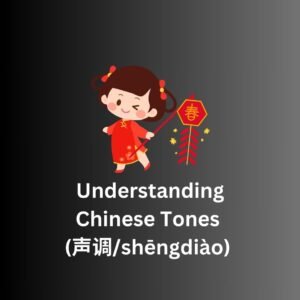
Understanding Chinese Tones (声调/shēngdiào) in Simple Terms
Learning Mandarin Chinese can be a fun and rewarding experience. However, one of the challenges that many beginners face is mastering the tones, or “声调” (shēngdiào). In Chinese, tones are crucial because they help distinguish the meanings of words. Even if two words sound the same, the tone can change their meanings completely. Let’s explore the four main tones in Mandarin and understand why they are so important.
The Four Tones
Mandarin Chinese has four primary tones, and each tone gives a word a different pitch or melody. Here’s a simple explanation of each tone:
First Tone (阴平, yīnpíng): This is a high and flat tone. When you use the first tone, your voice stays at the same high pitch. Imagine you are singing a note, and your voice does not go up or down. For example, the word “mā” (妈) with the first tone means “mother.”
Second Tone (阳平, yángpíng): The second tone is like asking a question in English. Your voice rises as if you are asking, “Really?” For example, “má” (麻) with the second tone means hemp or numb.
Third Tone (上声, shǎngshēng): The third tone is a bit tricky. Your voice starts low, dips even lower, and then rises again. It’s like your voice is going down and up a hill. For example, “mǎ” (马) with the third tone means horse.
Fourth Tone (去声, qùshēng): The fourth tone is sharp and quick. Your voice goes down fast, similar to giving a command. For example, “mà” (骂) with the fourth tone means to scold.
Why Are Tones Important?
In Mandarin, tones are essential because they can change the meaning of a word entirely. For instance, “mā” (mother) and “mà” (to scold) have different meanings even though they sound similar. If you use the wrong tone, it might confuse the listener or lead to misunderstandings.
Tips for Practicing Tones
Listen and Repeat: Listen to native speakers and try to mimic their tones. Practicing with audio resources can help you get a feel for the tones.
Practice with Words: Start by practicing tones with individual words before moving on to full sentences. This will help you focus on getting each tone right.
Use Tone Markers: When you write down new words, include the tone marks (ˉ ˊ ˇ ˋ) to remind yourself of the correct tone.
By practicing regularly, you can become more confident in using tones, making your Mandarin more accurate and understandable. Happy learning!
Reading – Viewing By the end of Phase F, students read and respond to various texts such as narratives, descriptions, expositions, procedures, arguments, and discussions independently. They read to learn something, and read for pleasure. They search for, synthesize, and evaluate specific details and the core of various types of texts. These texts can be printed or digital, including visual, multimodal, or interactive texts. They demonstrate understanding of main ideas, issues, or plot developments in various texts. They identify the author’s purpose and make inferences to understand implied information in the text.
Learning Objectives
After learning the material of discussion texts (reading-viewing element), students will be able to:
The teacher introduces the reading topic, Green Energy, and then explains the lesson’s objectives and benefits to motivate the students.
The teacher provides an overview of the material coverage and general learning steps.
The teacher encourages students to recall previous lessons and connect them with the material to be learned (apperception).
Main Activities (75 minutes)
The teacher plays a video about Green Energy, and students take notes on important points from it. (The teacher first presents questions to guide students’ focus while watching the video, which they will answer afterward.) (2 minutes)
The teacher asks the students to give their feedback on the video they just watched by answering the questions given. (5 minutes)
The teacher helps students learn green energyvocabulary to better understand the upcoming text. (20 minutes+5 minutes)
The teacher guides students to read each paragraph of ‘The Bright and Shadowy Sides of Green Energy‘ while listening to the audio for correct pronunciation. After each paragraph, they discuss the content and the vocabulary together. (35 minutes)
The teacher has students listen to the entire audio while keep reading the text to reinforce their understanding. (5 minutes)
The teacher explains the grammatical aspects of the text and gives the chance to the students to ask some questions about it. (5 minutes)
The teacher encourages the students to summarize the lesson material covered today.
The teacher asks the students to complete a quiz to test their understanding on the text. (15 minutes)
To input the students’ score, click here.
Closing Activities (5 minutes)
The teacher asks the students to provide feedback (reflect on their learning experience) of the day.
The teacher outlines the learning plan for the next meeting and invites the students to close the session with a prayer and greeting.
Meeting 2
MAN 1 BANDAR LAMPUNG, KAMPUS CERIA KAMPUSNYA PARA BINTANG
Reading Practice for Intermediate: The Genetic Manipulation Dilemma
A. Building Knowledge of the Field
Have students watch the video below to build their knowledge on the genetic manipulation.
Have students answer the questions below orally!
What is genetic manipulation, and why is it important?
How can genetic manipulation be used in agriculture?
What are some potential benefits of using genetic manipulation in medicine?
What are some ethical concerns associated with genetic manipulation?
How can society ensure that genetic manipulation is used responsibly?
B. Related/Technical Vocabulary
Have students learn the following vocabulary to understand the upcoming text better. (Play the audio for each vocabulary word, have students repeat it, and then discuss the meaning together)
1
Genetic Manipulation
The process of altering the genetic material of an organism to achieve desired traits.
2
Genetically Modified (GM) Crops
Crops whose genetic material has been altered using genetic engineering techniques to possess certain desirable traits.
3
Bt Cotton
A type of genetically modified cotton that produces an insecticide to combat pests, reducing the need for chemical pesticides.
4
Gene Therapy
A medical technique that involves altering the genes inside a person’s cells to treat or prevent disease.
5
Severe Combined Immunodeficiency (SCID)
A group of rare disorders caused by mutations in different genes involved in the development and function of infection-fighting immune cells.
6
Superweeds
Weeds that have developed resistance to herbicides, often as a result of crossbreeding with genetically modified crops.
A significant and often sudden advance in medical science that leads to major improvements in health and treatment.
19
Food Security
The state of having reliable access to a sufficient quantity of affordable, nutritious food.
20
Genetic Disorders
Diseases or conditions caused by abnormalities in an individual’s genetic material.
Now, have students listen to the entire audio of the words to reinforce their understanding.
C. Text
Have students read the following text carefully to understand the pros and cons of Genetic Manipulation. Play the audio to assist them in reading the text.
The Genetic Manipulation Dilemma
Genetic Manipulation: A Complex and Controversial Issue
Genetic manipulation, the process of altering the genetic material of an organism to achieve desired traits, has triggered widespread debate. Proponents and opponents alike present compelling arguments, making this topic interesting and complex issue to explore.
Genetic Manipulation: A Solution to Global Food Shortages
On one hand, the benefits of genetic manipulation are significant. One notable advantage is its potential to solve food shortages. By altering the genes of crops, scientists can create varieties more resistant to pests, diseases, and harsh environmental conditions. For instance, genetically modified (GM) crops like Bt cotton produce their own pesticide, reducing the need for chemical sprays and increasing yields. This advancement could be crucial in feeding the growing global population, especially in regions facing frequent crop failures due to climate change.
The Promise of Genetic Manipulation in Treating Diseases
Additionally, genetic manipulation holds promise in medicine. Scientists have developed genetically engineered insulin, revolutionizing diabetes treatment by providing a more reliable solution than previous methods. Gene therapy, another breakthrough, involves altering genes to treat or prevent diseases, showing success in treating conditions like severe combined immunodeficiency (SCID) and certain cancers. Such advancements could lead to the eradication of genetic disorders and significant improvements in human health.
Environmental Risks: Superweeds and Ecosystem Disruption from Genetic Manipulation
However, despite these benefits, genetic manipulation also presents concerns. One major issue is the potential impact on the environment. The introduction of genetically modified organisms (GMOs) into ecosystems can lead to unforeseen consequences. For example, GM crops may crossbreed with wild relatives, potentially creating “superweeds” resistant to herbicides. These superweeds could spread uncontrollably, disrupting local ecosystems and harming biodiversity.
Ethical Dilemmas of Genetic Manipulation: The Debate Over Designer Babies and Nature’s Balance
Another significant concern is the ethical implications of genetic manipulation. The ability to alter the genetic makeup of living organisms raises questions about the extent to which humans should interfere with nature. Critics argue that manipulating genes for human benefit, especially in animals, could lead to unforeseen ethical dilemmas. For instance, the concept of “designer babies,” where parents select specific traits for their offspring, raises concerns about social inequality and potential genetic discrimination.
Genetic Manipulation: Widening the Global Inequality Gap
Furthermore, there is a fear that genetic manipulation could widen the gap between developed and developing countries. Access to advanced genetic technologies may be limited to wealthier nations, exacerbating existing global inequalities. Developing countries, which could benefit the most from GM crops and medical advancements, might not have the resources to implement these technologies effectively.
Balancing Potential Benefits and Risks of Genetic Manipulation
In conclusion, genetic manipulation is indeed a double-edged sword. While it offers significant potential to address global challenges such as food security and medical advancements, it also raises important environmental, ethical, and social concerns. As we explore this technology, it is crucial to weigh both the benefits and risks carefully, ensuring that our pursuit of progress does not come at too high a cost.
Now, have students listen to the entire audio of the text to reinforce their understanding.
Or watch the video!
D. Grammatical Aspects
The following are the grammatical aspects of the text.
(Teacher explains the grammatical aspects of the text)
Use of Conditional Sentences
The text employs conditional sentences to explore hypothetical scenarios and their potential outcomes related to genetic manipulation. These sentences often follow an “if… then” structure, allowing the discussion of various risks and benefits depending on certain conditions.
Examples from the Text:
1. “If GM crops crossbreed with wild relatives, they could create ‘superweeds’ resistant to herbicides.” (Potential Environmental Risk)
The conditional sentence here presents a hypothetical situation where genetically modified (GM) crops might crossbreed with wild plants. The “if” clause introduces the condition (crossbreeding), and the main clause (“could create”) suggests a possible negative outcome—the emergence of “superweeds” resistant to herbicides. This structure highlights the potential environmental risks of genetic manipulation.
2. “If gene therapy becomes more widespread, it could lead to the eradication of genetic disorders.” (Potential Medical Benefit)
This conditional sentence discusses a positive outcome where gene therapy’s wider use might eradicate genetic disorders. The “if” clause (“If gene therapy becomes more widespread”) sets the condition, while the main clause (“could lead to”) indicates the possible benefit. This structure allows for speculation on the hopeful possibilities of genetic manipulation in medicine.
3. “If access to advanced genetic technologies is limited to wealthier nations, it might widen the gap between developed and developing countries.” (Potential Social Inequality)
This conditional sentence addresses the concern that unequal access to genetic technologies could exacerbate global inequalities. The “if” clause presents the condition (limited access), while the main clause (“might widen”) predicts a possible negative consequence—worsening the divide between developed and developing countries. This structure emphasizes the social risks of unequal technological distribution.
4. “If not carefully regulated, genetic manipulation could lead to unforeseen ethical dilemmas.” (Potential Ethical Dilemmas)
The conditional sentence here warns of potential ethical issues arising from unregulated genetic manipulation. The “if” clause (“If not carefully regulated”) introduces the condition, and the main clause (“could lead to”) suggests a possible negative outcome. This structure serves as a caution, highlighting the importance of regulation in preventing ethical concerns.
Conditional sentences in the text are used to discuss possible risks, benefits, and outcomes of genetic manipulation, encouraging students to consider the implications of these hypothetical scenarios.
E. Quiz
Have students do the following quiz to test their understanding on the text.
The Genetic Manipulation Dilemma
Genetic manipulation, the process of altering the genetic material of an organism to achieve desired traits, has triggered widespread debate. Proponents and opponents alike present compelling arguments, making this topic interesting and complex issue to explore.
On one hand, the benefits of genetic manipulation are significant. One notable advantage is its potential to solve food shortages. By altering the genes of crops, scientists can create varieties more resistant to pests, diseases, and harsh environmental conditions. For instance, genetically modified (GM) crops like Bt cotton produce their own pesticide, reducing the need for chemical sprays and increasing yields. This advancement could be crucial in feeding the growing global population, especially in regions facing frequent crop failures due to climate change.
Additionally, genetic manipulation holds promise in medicine. Scientists have developed genetically engineered insulin, revolutionizing diabetes treatment by providing a more reliable solution than previous methods. Gene therapy, another breakthrough, involves altering genes to treat or prevent diseases, showing success in treating conditions like severe combined immunodeficiency (SCID) and certain cancers. Such advancements could lead to the eradication of genetic disorders and significant improvements in human health.
However, despite these benefits, genetic manipulation also presents concerns. One major issue is the potential impact on the environment. The introduction of genetically modified organisms (GMOs) into ecosystems can lead to unforeseen consequences. For example, GM crops may crossbreed with wild relatives, potentially creating “superweeds” resistant to herbicides. These superweeds could spread uncontrollably, disrupting local ecosystems and harming biodiversity.
Another significant concern is the ethical implications of genetic manipulation. The ability to alter the genetic makeup of living organisms raises questions about the extent to which humans should interfere with nature. Critics argue that manipulating genes for human benefit, especially in animals, could lead to unforeseen ethical dilemmas. For instance, the concept of “designer babies,” where parents select specific traits for their offspring, raises concerns about social inequality and potential genetic discrimination.
Furthermore, there is a fear that genetic manipulation could widen the gap between developed and developing countries. Access to advanced genetic technologies may be limited to wealthier nations, exacerbating existing global inequalities. Developing countries, which could benefit the most from GM crops and medical advancements, might not have the resources to implement these technologies effectively.
In conclusion, genetic manipulation is indeed a double-edged sword. While it offers significant potential to address global challenges such as food security and medical advancements, it also raises important environmental, ethical, and social concerns. As we explore this technology, it is crucial to weigh both the benefits and risks carefully, ensuring that our pursuit of progress does not come at too high a cost.