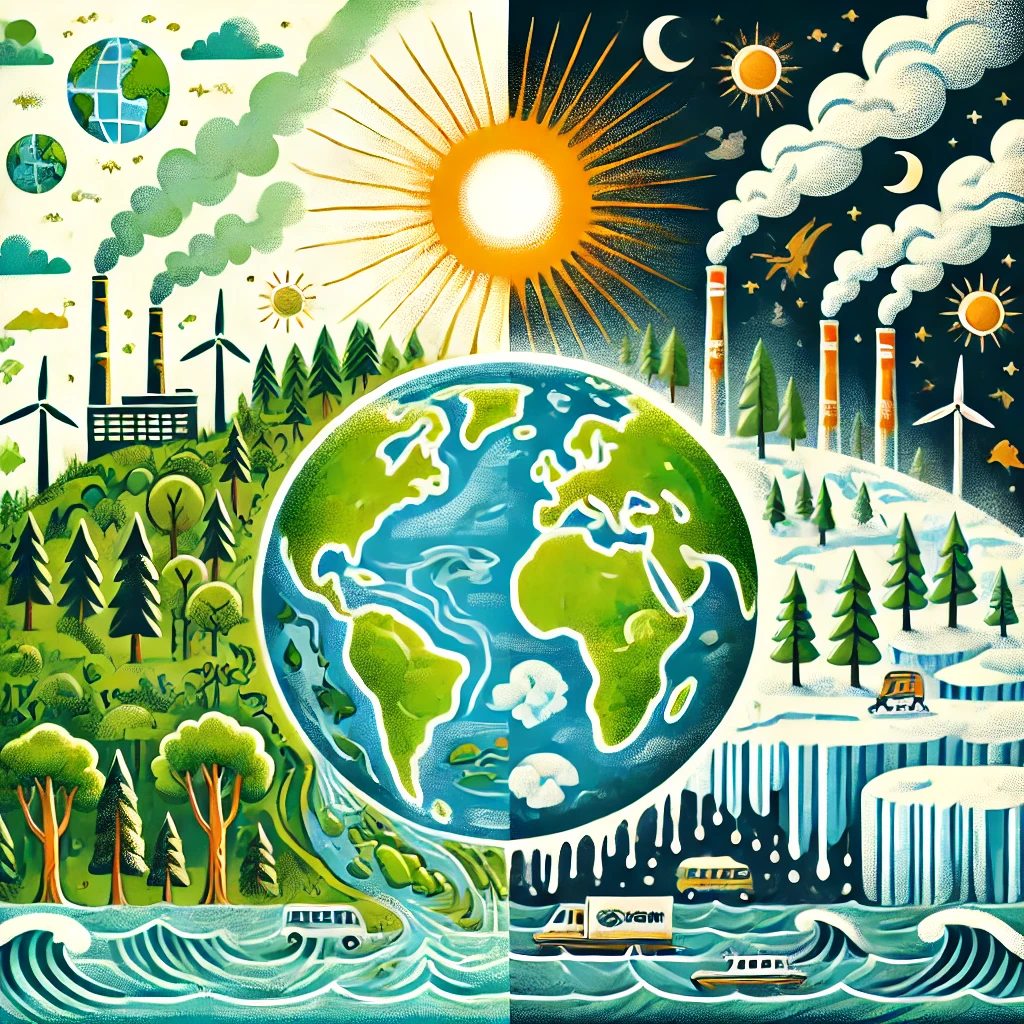
Tag: climate change

  • 7 Essential Facts About Climate Change

    7 Essential Facts About Climate Change

    7 Essential Facts About Climate Change

    1. Rising Temperatures

    Since the late 19th century, the Earth’s average surface temperature has increased by about 1.2°C (2.2°F). This rise is largely due to human activities that release greenhouse gases into the atmosphere, trapping heat and causing the planet to warm. This seemingly small increase in temperature has far-reaching impacts, including altered weather patterns, disrupted ecosystems, and more frequent and severe heatwaves. The warming trend is projected to continue, leading to even more significant changes in the climate.

    2. Greenhouse Gases

    Greenhouse gases (GHGs) like carbon dioxide (CO2), methane (CH4), and nitrous oxide (N2O) have increased significantly due to human activities such as burning fossil fuels (coal, oil, and natural gas), deforestation, and industrial processes. These gases trap heat in the atmosphere, creating a ‘greenhouse effect’ that warms the planet. The concentration of CO2, the most prevalent GHG, has risen from pre-industrial levels of about 280 parts per million (ppm) to over 410 ppm today, exacerbating global warming.

    3. Sea Level Rise

    Sea levels are rising as a result of two main factors: the thermal expansion of seawater as it warms and the melting of glaciers and ice sheets. Over the past century, global sea levels have risen by about 20 centimeters (8 inches), with the rate of rise accelerating in recent decades. This poses significant risks to coastal communities, including increased flooding, erosion, and saltwater intrusion into freshwater resources. Low-lying areas and small island nations are particularly vulnerable to these changes.

    4. Extreme Weather

    Climate change is contributing to the increased frequency and severity of extreme weather events. This includes more intense hurricanes and tropical storms, prolonged droughts, severe heatwaves, and heavy rainfall leading to floods. These events have devastating effects on communities, economies, and ecosystems. For example, warmer ocean temperatures can fuel stronger hurricanes, while higher atmospheric temperatures can exacerbate heatwaves and drought conditions.

    5. Ocean Acidification

    The world’s oceans absorb about one-third of the CO2 emitted by human activities. As CO2 dissolves in seawater, it forms carbonic acid, leading to a decrease in the ocean’s pH levels—a process known as ocean acidification. This change in acidity can harm marine life, particularly organisms with calcium carbonate shells or skeletons, such as corals, mollusks, and some plankton species. Acidification disrupts marine ecosystems and threatens fisheries and aquaculture industries.

    6. Biodiversity Loss

    Climate change is one of the major drivers of biodiversity loss. As temperatures rise and weather patterns shift, many species struggle to adapt to the rapidly changing conditions. Habitats are being altered or destroyed, leading to the displacement or extinction of species. Polar bears, coral reefs, and migratory birds are among those at risk. The loss of biodiversity affects ecosystem services that humans rely on, such as pollination, water purification, and disease regulation.

    7. Mitigation and Adaptation

    Addressing climate change requires a dual approach: mitigation and adaptation. Mitigation involves reducing or preventing the emission of greenhouse gases, which can be achieved through transitioning to renewable energy sources (solar, wind, hydro), enhancing energy efficiency, and adopting sustainable practices in agriculture and forestry. Adaptation refers to adjusting our lifestyles and infrastructure to cope with the impacts of climate change, such as building resilient infrastructure, developing early warning systems for extreme weather, and implementing water management strategies to handle droughts and floods.

    These seven facts underscore the urgency and complexity of climate change, highlighting the need for global cooperation and action to mitigate its effects and adapt to its impacts.

  • 7 Incredible Facts About the Amazon Rainforest

    7 Incredible Facts About the Amazon Rainforest

    7 Incredible Facts About the Amazon Rainforest

    1. Biodiversity

    The Amazon Rainforest is one of the most biodiverse places on Earth, hosting approximately 10% of the known species. This rich biodiversity includes an estimated 40,000 plant species, 1,300 bird species, 3,000 types of fish, 430 mammals, and 2.5 million different insects. The rainforest’s dense and varied habitats, ranging from the forest floor to the canopy, provide niches for countless species. This biodiversity is crucial for ecological balance and provides potential resources for food, medicine, and scientific research.

    2. River System

    The Amazon River, the lifeblood of the rainforest, is the second-longest river in the world, after the Nile. Stretching about 4,345 miles (7,062 kilometers), it boasts the largest drainage basin of any river, covering around 2.7 million square miles (7 million square kilometers). The river discharges more water than the next seven largest rivers combined, supporting a vast network of tributaries and diverse aquatic ecosystems. The Amazon River is essential for transportation, sustenance, and the overall hydrological balance of the region.

    3. Carbon Storage

    The Amazon Rainforest plays a vital role in the global carbon cycle by absorbing significant amounts of carbon dioxide (CO2) from the atmosphere. This process, known as carbon sequestration, helps mitigate climate change by reducing greenhouse gas concentrations. The Amazon stores approximately 100 billion metric tons of carbon in its trees and soil. However, deforestation and forest degradation threaten this capacity, releasing stored carbon back into the atmosphere and exacerbating climate change.

    4. Indigenous Peoples

    The Amazon Rainforest is home to over 400 indigenous tribes, each with distinct languages, cultures, and traditions. These tribes have inhabited the region for thousands of years, living in harmony with the forest and relying on its resources for their livelihoods. Indigenous knowledge of the rainforest’s ecology, medicinal plants, and sustainable practices is invaluable. Protecting the rights and territories of indigenous peoples is crucial for conserving biodiversity and maintaining the cultural heritage of the Amazon.

    5. Deforestation

    Deforestation is a significant threat to the Amazon Rainforest, with about 17% of its forest cover lost in the last 50 years. The primary drivers of deforestation include logging, agriculture (especially cattle ranching and soybean farming), mining, and infrastructure development. Deforestation leads to habitat loss, reduced biodiversity, and increased carbon emissions. Efforts to combat deforestation involve sustainable land management practices, enforcement of environmental laws, and supporting conservation initiatives.

    6. Medicinal Plants

    The Amazon Rainforest is a treasure trove of medicinal plants, many of which are used in modern medicine. Indigenous tribes have long utilized these plants for their healing properties. For example, the bark of the Cinchona tree is the source of quinine, a treatment for malaria, and the rosy periwinkle plant provides compounds used in cancer treatment. Researchers continue to explore the rainforest for potential new drugs, underscoring the importance of conserving this vast botanical resource.

    7. Climate Influence

    The Amazon Rainforest significantly influences global weather patterns and climate regulation. It generates about 20% of the world’s oxygen through photosynthesis, earning it the nickname “the lungs of the Earth.” The rainforest also contributes to the water cycle by releasing vast amounts of water vapor into the atmosphere, which affects rainfall patterns both locally and globally. The Amazon’s role in climate regulation underscores the need for its preservation to maintain global environmental stability.

    These seven facts highlight the Amazon Rainforest’s critical importance to our planet’s ecological health, climate stability, and cultural diversity. Protecting and conserving the Amazon is essential for the well-being of current and future generations.