Tag: climate regulation

  • 7 Astonishing Facts About the Oceans

    7 Astonishing Facts About the Oceans

    7 Astonishing Facts About the Oceans

    1. Ocean Coverage

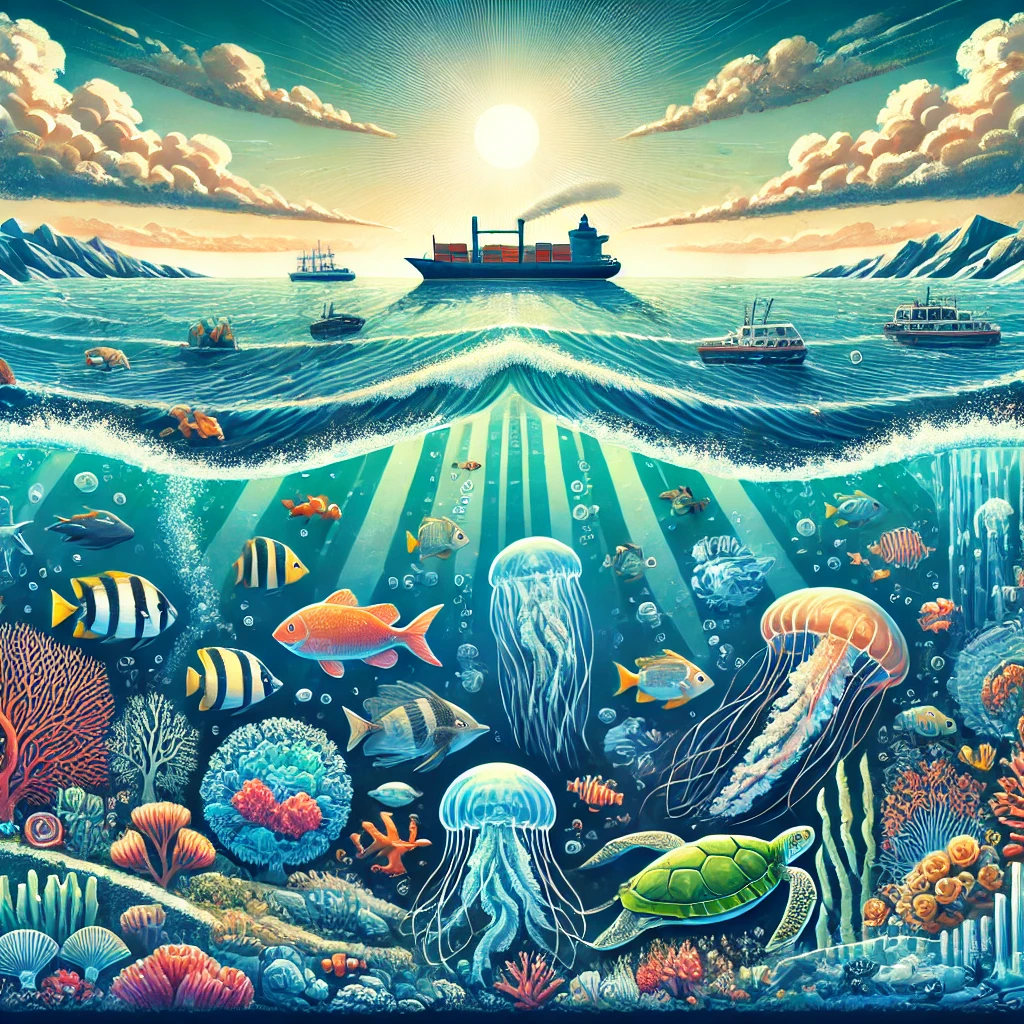
    Oceans cover about 71% of the Earth’s surface, making them the largest habitat on the planet. This vast expanse includes five major oceans: the Pacific, Atlantic, Indian, Southern, and Arctic Oceans. The oceans play a crucial role in supporting life on Earth by regulating climate, storing carbon, and providing habitat for countless species. They also influence weather patterns, support global trade through shipping routes, and offer recreational opportunities for millions of people.

    2. Mariana Trench

    The Mariana Trench is the deepest part of the ocean, reaching depths of about 36,000 feet (10,972 meters) in its Challenger Deep section. Located in the western Pacific Ocean, the trench is a crescent-shaped scar in the Earth’s crust. The extreme conditions in the Mariana Trench, including high pressure and darkness, create a unique environment that is home to specially adapted organisms. Exploration of this trench has provided valuable insights into the geological processes and biodiversity of the deep ocean.

    3. Biodiversity

    The oceans are home to an estimated 2.2 million species, many of which are still undiscovered. Marine biodiversity ranges from the smallest plankton to the largest animal on Earth, the blue whale. Coral reefs, mangroves, deep-sea vents, and open ocean ecosystems host a diverse array of life forms. This biodiversity is essential for the health of marine ecosystems and provides numerous benefits to humans, including food, medicine, and economic resources. However, many marine species are threatened by overfishing, habitat destruction, and climate change.

    4. Great Barrier Reef

    The Great Barrier Reef, located off the coast of Queensland, Australia, is the largest coral reef system in the world, stretching over 1,400 miles (2,300 kilometers). It consists of approximately 2,900 individual reefs and 900 islands. The reef is so large that it can be seen from space. It supports a diverse range of marine life, including fish, corals, mollusks, sea turtles, and seabirds. The Great Barrier Reef is also a UNESCO World Heritage site and a major tourist attraction. However, it faces significant threats from coral bleaching, pollution, and climate change.

    5. Oxygen Production

    Oceans produce over 50% of the world’s oxygen through marine plants and phytoplankton. Phytoplankton, microscopic organisms that live in the sunlit upper layers of the ocean, perform photosynthesis, converting carbon dioxide into oxygen. This process is critical for maintaining the balance of gases in the atmosphere and supporting life on Earth. Marine algae, including seaweed, also contribute to oxygen production. The health of these marine organisms is vital for sustaining the oxygen supply and the overall health of the planet.

    6. Ocean Currents

    Ocean currents play a crucial role in regulating the Earth’s climate and weather patterns. These currents are driven by wind, temperature differences, salinity, and the Earth’s rotation. They transport warm water from the equator toward the poles and cold water from the poles toward the equator, helping to distribute heat and regulate temperatures globally. Ocean currents also influence weather systems, such as hurricanes and monsoons, and play a role in nutrient cycling, supporting marine life. The Gulf Stream, for example, is a powerful current that affects the climate of North America and Europe.

    7. Plastic Pollution

    An estimated 8 million metric tons of plastic enter the oceans each year, posing a severe threat to marine life and ecosystems. Plastic pollution affects all parts of the ocean, from coastlines to the deep sea. Marine animals, such as turtles, seabirds, and fish, can ingest plastic or become entangled in it, leading to injury or death. Microplastics, tiny plastic particles, can accumulate in the food chain, affecting both marine life and human health. Efforts to reduce plastic pollution include reducing plastic use, improving waste management, and increasing recycling and cleanup initiatives.

    These seven facts highlight the vastness, complexity, and importance of the world’s oceans, emphasizing the need to protect and preserve these vital ecosystems for future generations.

  • 7 Incredible Facts About the Amazon Rainforest

    7 Incredible Facts About the Amazon Rainforest

    7 Incredible Facts About the Amazon Rainforest

    1. Biodiversity

    The Amazon Rainforest is one of the most biodiverse places on Earth, hosting approximately 10% of the known species. This rich biodiversity includes an estimated 40,000 plant species, 1,300 bird species, 3,000 types of fish, 430 mammals, and 2.5 million different insects. The rainforest’s dense and varied habitats, ranging from the forest floor to the canopy, provide niches for countless species. This biodiversity is crucial for ecological balance and provides potential resources for food, medicine, and scientific research.

    2. River System

    The Amazon River, the lifeblood of the rainforest, is the second-longest river in the world, after the Nile. Stretching about 4,345 miles (7,062 kilometers), it boasts the largest drainage basin of any river, covering around 2.7 million square miles (7 million square kilometers). The river discharges more water than the next seven largest rivers combined, supporting a vast network of tributaries and diverse aquatic ecosystems. The Amazon River is essential for transportation, sustenance, and the overall hydrological balance of the region.

    3. Carbon Storage

    The Amazon Rainforest plays a vital role in the global carbon cycle by absorbing significant amounts of carbon dioxide (CO2) from the atmosphere. This process, known as carbon sequestration, helps mitigate climate change by reducing greenhouse gas concentrations. The Amazon stores approximately 100 billion metric tons of carbon in its trees and soil. However, deforestation and forest degradation threaten this capacity, releasing stored carbon back into the atmosphere and exacerbating climate change.

    4. Indigenous Peoples

    The Amazon Rainforest is home to over 400 indigenous tribes, each with distinct languages, cultures, and traditions. These tribes have inhabited the region for thousands of years, living in harmony with the forest and relying on its resources for their livelihoods. Indigenous knowledge of the rainforest’s ecology, medicinal plants, and sustainable practices is invaluable. Protecting the rights and territories of indigenous peoples is crucial for conserving biodiversity and maintaining the cultural heritage of the Amazon.

    5. Deforestation

    Deforestation is a significant threat to the Amazon Rainforest, with about 17% of its forest cover lost in the last 50 years. The primary drivers of deforestation include logging, agriculture (especially cattle ranching and soybean farming), mining, and infrastructure development. Deforestation leads to habitat loss, reduced biodiversity, and increased carbon emissions. Efforts to combat deforestation involve sustainable land management practices, enforcement of environmental laws, and supporting conservation initiatives.

    6. Medicinal Plants

    The Amazon Rainforest is a treasure trove of medicinal plants, many of which are used in modern medicine. Indigenous tribes have long utilized these plants for their healing properties. For example, the bark of the Cinchona tree is the source of quinine, a treatment for malaria, and the rosy periwinkle plant provides compounds used in cancer treatment. Researchers continue to explore the rainforest for potential new drugs, underscoring the importance of conserving this vast botanical resource.

    7. Climate Influence

    The Amazon Rainforest significantly influences global weather patterns and climate regulation. It generates about 20% of the world’s oxygen through photosynthesis, earning it the nickname “the lungs of the Earth.” The rainforest also contributes to the water cycle by releasing vast amounts of water vapor into the atmosphere, which affects rainfall patterns both locally and globally. The Amazon’s role in climate regulation underscores the need for its preservation to maintain global environmental stability.

    These seven facts highlight the Amazon Rainforest’s critical importance to our planet’s ecological health, climate stability, and cultural diversity. Protecting and conserving the Amazon is essential for the well-being of current and future generations.