Tag: English speaking skills

  • Asking for Information in English: Common Expressions and Responses

    Asking for Information in English: Common Expressions and Responses

    Asking for Information in English: Common Expressions and Responses

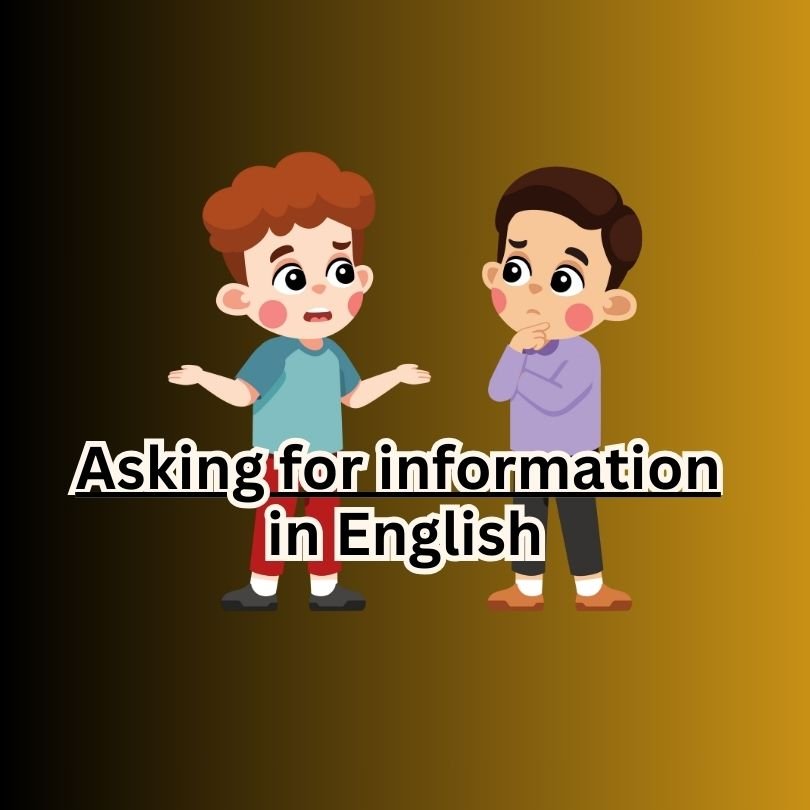
    Asking for information is a fundamental skill in any language, and English is no exception. Whether you’re a beginner or an advanced learner, knowing how to ask for information politely and respond correctly can make your communication more effective. This article will guide you through common expressions used to ask for information in English, provide detailed explanations, and give practical examples to help you understand and use these expressions in daily life.

    Common Expressions for Asking for Information

    When asking for information, it’s important to be polite and clear. Here are some common expressions you can use:

    • Can you tell me…? Example: Can you tell me where the nearest bus stop is?
    • Do you know…? Example: Do you know when the next train to London leaves?
    • Could you please tell me…? Example: Could you please tell me how to get to the airport?
    • Would you mind telling me…? Example: Would you mind telling me what time the meeting starts?
    • I was wondering if you could tell me…? Example: I was wondering if you could tell me the best place to eat around here.

    Responding to Requests for Information

    When someone asks you for information, it’s equally important to respond clearly and politely. Here are some common ways to respond:

    • Sure, it’s… Example: Sure, it’s just around the corner.
    • I’m sorry, but I don’t know. Example: I’m sorry, but I don’t know where that is.
    • Let me check for you. Example: Let me check for you. Just a moment.
    • I think it’s… Example: I think it’s the second street on the left.
    • You can find it… Example: You can find it next to the supermarket.

    Examples of Asking for Information

    Here are some practical examples of how to ask for information in different situations:

    • At a Tourist Information Center:
      • Visitor: Can you tell me the best way to get to the museum?
      • Staff: Sure, you can take the number 5 bus from here.
    • At a Train Station:
      • Passenger: Do you know when the next train to Paris leaves?
      • Attendant: The next train to Paris leaves at 10:45 AM.
    • On the Street:
      • Person: Could you please tell me where the nearest ATM is?
      • Local: Yes, there’s one just down the street on your right.

    Sample Dialogue

    Here’s a dialogue to show how these expressions can be used in a conversation:

    Dialogue at a Hotel Reception:

    Guest: Good morning. Could you please tell me if breakfast is included with my stay?
    Receptionist: Good morning! Yes, breakfast is included and is served from 7 AM to 10 AM in the dining area.
    Guest: Great! Also, do you know if there is a laundry service available?
    Receptionist: Yes, we have a laundry service. You can find the laundry bag and price list in your room.
    Guest: Thank you. One more thing, I was wondering if you could tell me how to get to the nearest shopping mall?
    Receptionist: Of course! The nearest shopping mall is just a 10-minute walk from here. Turn left when you exit the hotel and go straight until you see the large building on your right.
    Guest: Thank you very much for your help.
    Receptionist: You’re welcome! Have a great day.

    Conclusion

    Asking for information and responding to such requests are crucial communication skills in English. By using polite and clear expressions, you can effectively seek and provide information in various situations. Practice these expressions regularly to become more confident in your interactions.

  • Introducing Yourself and Others in English

    Introducing Yourself and Others in English

    Introducing Yourself and Others in English

    Understanding the Basics

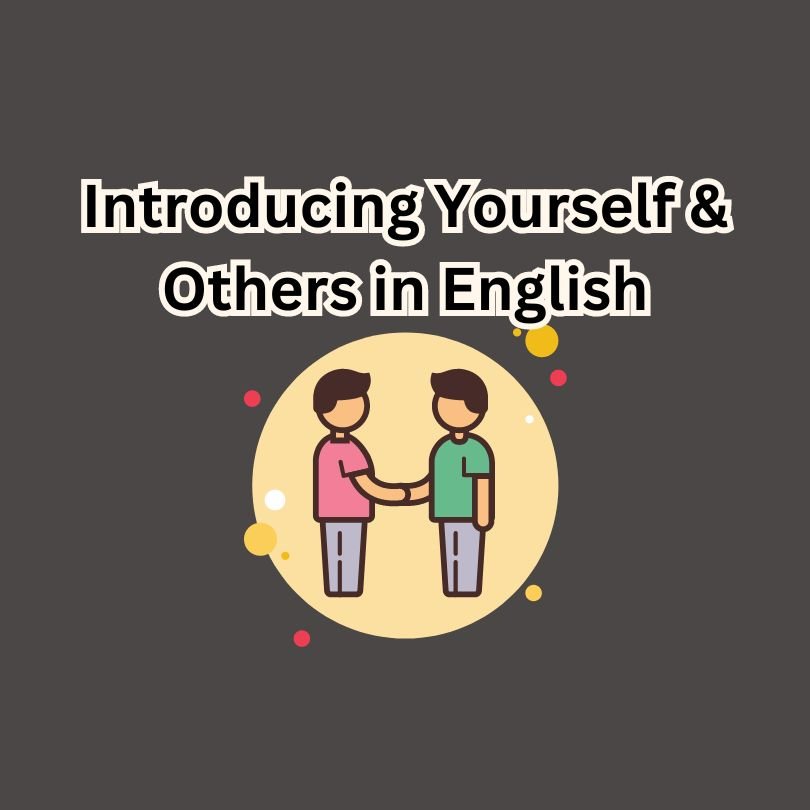
    Introducing yourself and others is a fundamental skill in any language, including English. Whether you are meeting new people in a social setting, professional environment, or any other situation, knowing how to properly introduce yourself and others can help create a positive impression and facilitate better communication.

    Introducing Yourself

    When introducing yourself, it’s important to provide basic information about who you are. Here are some simple steps:

    1. Greeting: Start with a friendly greeting.
      • Example: “Hello!” or “Hi!”
    2. Name: State your full name.
      • Example: “My name is John Smith.”
    3. Additional Information: Depending on the context, you can add more details like your occupation, where you are from, or an interesting fact about yourself.
      • Example: “I’m a software engineer from New York.” or “I love hiking and playing the guitar.”

    Common Expressions:

    • “Hello, I’m [Your Name].”
    • “Hi, my name is [Your Name].”
    • “Nice to meet you, I’m [Your Name].”

    Responses:

    • “Nice to meet you!”
    • “Pleasure to meet you.”
    • “Hello, [Your Name]. Nice to meet you.”

    Example:

    • “Hi, my name is Sarah Johnson. I’m a graphic designer from California. I enjoy painting and traveling.”

    Introducing Others

    Introducing others involves mentioning the names and some relevant information about the people you are introducing. Here’s how you can do it:

    1. Start with the Person You Know Best: Introduce the person you know best to the other person.
      • Example: “Emily, I’d like you to meet my friend, David.”
    2. Provide Some Information: Give a bit of context about the person you are introducing.
      • Example: “David is a photographer. We met at a photography workshop last year.”
    3. Reverse the Introduction: Then, introduce the other person.
      • Example: “David, this is Emily. She’s a writer and loves outdoor adventures.”

    Common Expressions:

    • “I’d like you to meet [Name].”
    • “This is [Name].”
    • “Let me introduce you to [Name].”

    Responses:

    • “Nice to meet you, [Name].”
    • “Hello, [Name].”
    • “Pleasure to meet you, [Name].”

    Example:

    • “Mike, I’d like you to meet my colleague, Jane. Jane is a marketing expert and has been with the company for five years. Jane, this is Mike, our new project manager.”

    Examples in Sentences

    • Introducing Yourself:
      • “Hello, I’m Jack Wilson. I’m from Texas and work as a mechanical engineer.”
      • “Hi, my name is Lisa Brown. I’m a student majoring in biology.”
    • Introducing Others:
      • “Sarah, this is my brother, Tom. Tom, meet Sarah, my coworker from the marketing department.”
      • “John, let me introduce you to my friend, Rachel. Rachel is an architect.”

    Dialogue Example

    Dialogue 1: Introducing Yourself

    Emma: Hi, I’m Emma Thompson. Nice to meet you.

    Alex: Nice to meet you too, Emma. I’m Alex Carter. What do you do?

    Emma: I’m a teacher. I teach English at a high school.

    Alex: That’s great! I’m an accountant.

    Dialogue 2: Introducing Others

    Sophie: John, I’d like you to meet my friend, Anna. Anna, this is John.

    John: Hi, Anna. Nice to meet you.

    Anna: Nice to meet you too, John.

    Sophie: Anna is a graphic designer, and we met at an art class. John is a software developer at TechCorp.

    John: That’s cool. I’ve always been interested in graphic design.