Tag: expand vocabulary

  • How to Master English Writing Skill Easily

    How to Master English Writing Skill Easily

    How to Master English Writing Skill Easily

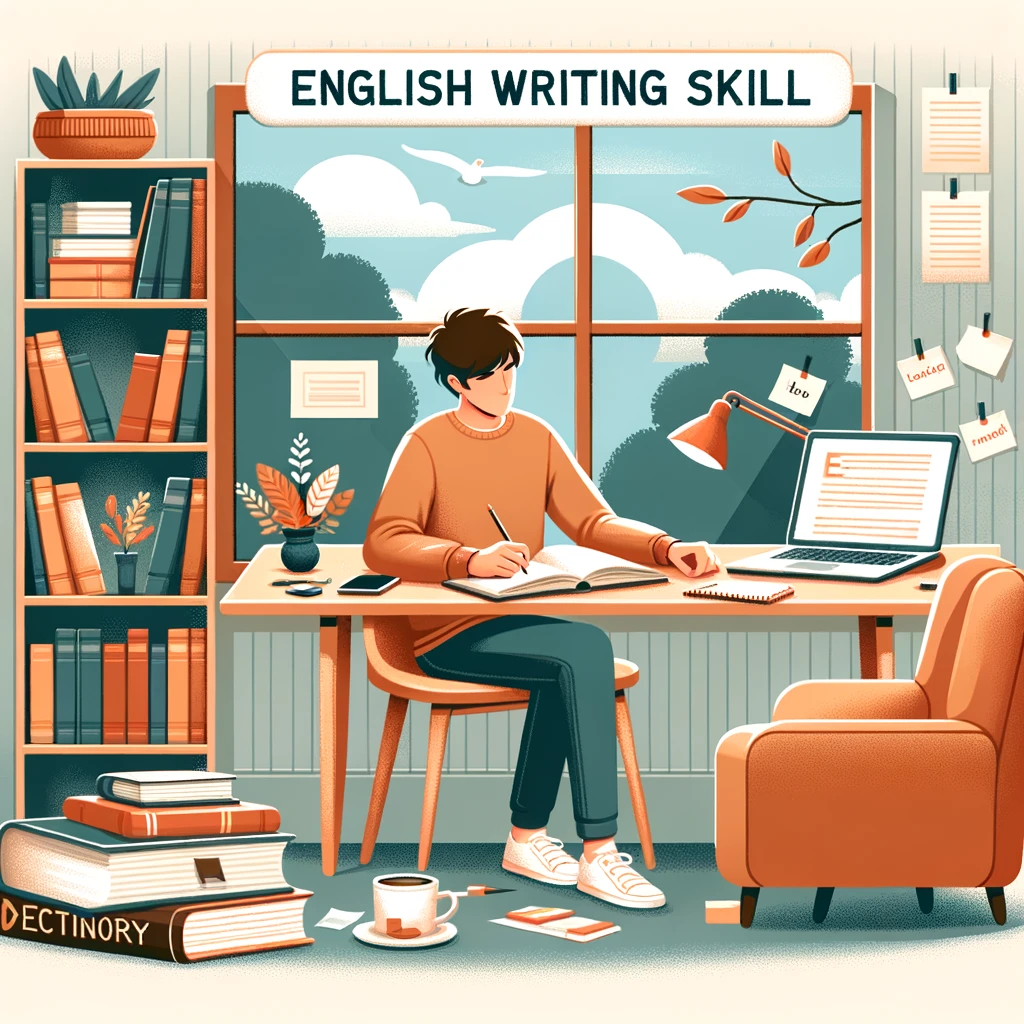
    Mastering English writing skills is essential for effective communication in both personal and professional settings. Whether you’re writing essays, reports, emails, or creative pieces, improving your writing can open up new opportunities and help you express yourself more clearly. This article provides practical tips to help you enhance your English writing skills effortlessly.

    1. Set Clear Writing Goals

    Establishing clear goals is the first step towards improving your writing skills. Determine why you want to enhance your writing. Are you preparing for exams, aiming to publish articles, or looking to improve your professional communication? Having clear objectives will help you stay focused and motivated.

    2. Read Regularly

    Reading regularly exposes you to different writing styles, vocabulary, and structures. It can inspire your writing and provide you with new ideas. Read a variety of genres, including fiction, non-fiction, newspapers, and academic journals, to broaden your understanding of different writing techniques.

    3. Expand Your Vocabulary

    A rich vocabulary allows you to express yourself more precisely and creatively. Make it a habit to learn new words daily. Use flashcards, vocabulary apps, or word lists to reinforce your learning. Practice using new words in sentences to better retain them.

    4. Practice Writing Daily

    Like any skill, regular practice is crucial for improvement. Set aside time each day for writing. Start with short paragraphs and gradually increase the length and complexity of your pieces. Write about topics that interest you to make the practice more enjoyable.

    5. Develop a Writing Routine

    Establishing a writing routine helps you develop discipline and consistency. Find a time of day when you’re most productive and make it your designated writing time. Create a comfortable and distraction-free writing environment to enhance your focus and creativity.

    6. Use Writing Prompts

    Writing prompts can stimulate your creativity and help you overcome writer’s block. Use prompts to practice different writing styles and genres. You can find writing prompts online or create your own based on current events, personal experiences, or fictional scenarios.

    7. Outline Your Ideas

    Before you start writing, outline your ideas to organize your thoughts and structure your piece. An outline helps you stay on track and ensures that your writing is coherent and logical. Include key points, sub-points, and examples in your outline.

    8. Write Multiple Drafts

    Writing multiple drafts allows you to refine your ideas and improve the clarity and flow of your writing. Don’t be afraid to make significant changes between drafts. Focus on content in the first draft, then refine the structure, language, and grammar in subsequent drafts.

    9. Seek Feedback

    Feedback from others can provide valuable insights into your writing strengths and areas for improvement. Share your work with teachers, peers, or writing groups. Be open to constructive criticism and use it to enhance your writing skills.

    10. Edit and Proofread

    Editing and proofreading are essential steps in the writing process. After completing a draft, take a break before revising to approach your work with fresh eyes. Check for grammar, punctuation, and spelling errors, and ensure that your writing is clear and concise.

    11. Study Grammar and Style

    A strong grasp of grammar and writing style enhances the readability and professionalism of your writing. Review grammar rules and practice using them correctly. Study different writing styles and learn how to adapt your writing to suit various purposes and audiences.

    12. Use Writing Tools

    Leverage writing tools and resources to improve your writing. Grammar checkers, style guides, and thesauruses can help you identify errors and enhance your language use. Writing apps and software can also provide writing prompts, templates, and organizational tools.

    13. Join a Writing Group

    Joining a writing group can provide support, motivation, and constructive feedback. Writing groups offer opportunities to share your work, receive feedback, and learn from others. Online writing communities and forums can also be valuable resources.

    14. Read Aloud

    Reading your writing aloud helps you identify awkward sentences, errors, and areas that need improvement. It also allows you to hear the flow and rhythm of your writing. Make a habit of reading your drafts aloud during the revision process.

    15. Be Patient and Persistent

    Mastering writing skills takes time and effort. Be patient with yourself and stay persistent. Celebrate small achievements along the way and keep practicing regularly. Remember that every writer faces challenges, and improvement comes with consistent effort.

    Conclusion

    Improving your English writing skills can be a rewarding journey that enhances your ability to communicate effectively. By setting clear goals, practicing regularly, and seeking feedback, you can master this essential skill with ease. Remember, the key to improvement is consistency and dedication. Start writing today and watch your skills grow!

  • How to Master English Reading Skill Easily

    How to Master English Reading Skill Easily

    How to Master English Reading Skill Easily

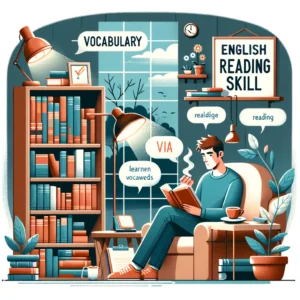
    Reading is a fundamental skill that can significantly enhance your understanding and use of the English language. Whether you’re reading for pleasure, academic purposes, or professional development, mastering English reading skills can open up a world of opportunities. This article will guide you through practical steps to improve your reading skills effortlessly.

    1. Set Clear Goals

    Setting clear goals is crucial for mastering any skill. Determine why you want to improve your reading skills. Are you preparing for an exam, aiming to read English literature, or looking to enhance your professional communication? Your goals will guide your reading choices and keep you motivated.

    2. Build a Reading Habit

    Consistency is key to improvement. Set aside a specific time each day for reading. It could be 20 minutes in the morning, during lunch breaks, or before bed. Regular reading will gradually improve your vocabulary, comprehension, and speed.

    3. Choose the Right Materials

    Select reading materials that interest you and are appropriate for your level. If you’re a beginner, start with simple texts like children’s books or graded readers. As you progress, move on to more complex materials like newspapers, novels, and academic articles.

    4. Expand Your Vocabulary

    A rich vocabulary is essential for understanding and enjoying English texts. Make a habit of noting down unfamiliar words and looking them up. Use flashcards, vocabulary apps, or word lists to reinforce your learning. Try to use new words in your writing and speaking to better retain them.

    5. Practice Active Reading

    Active reading involves engaging with the text. Ask questions, make predictions, and summarize what you’ve read. Highlight key points and take notes. This will help you understand and remember the material better.

    6. Improve Your Comprehension Skills

    To enhance comprehension, practice reading various types of texts, including fiction, non-fiction, and academic articles. Summarize paragraphs or chapters in your own words. Discuss what you’ve read with others or write about it to deepen your understanding.

    7. Use Reading Strategies

    Employ reading strategies like skimming and scanning. Skimming helps you get the gist of the text quickly, while scanning allows you to find specific information. These techniques are particularly useful for exams and professional reading.

    8. Read Aloud

    Reading aloud can improve your pronunciation, fluency, and comprehension. It also helps you become more comfortable with the rhythm and intonation of English. Pair this with listening to native speakers to mimic their accents and speech patterns.

    9. Join a Reading Group

    Joining a reading group or book club can provide motivation and make reading more enjoyable. It offers opportunities to discuss books, share insights, and get different perspectives on the material. Online forums and social media groups can also be great resources.

    10. Use Technology

    Leverage technology to enhance your reading skills. E-readers, audiobooks, and reading apps can make reading more accessible and enjoyable. Many apps offer features like instant definitions, translations, and personalized reading plans.

    11. Take Notes

    While reading, jot down important points, new words, and your thoughts about the text. This helps reinforce what you’ve learned and makes it easier to review later. Digital note-taking apps can be particularly useful for organizing your notes.

    12. Read a Variety of Genres

    Expose yourself to different genres, such as fiction, non-fiction, poetry, and technical writing. Each genre offers unique vocabulary and structures that can broaden your understanding of the language.

    13. Practice Regularly

    Like any skill, regular practice is essential for improvement. Challenge yourself with different types of texts and gradually increase the difficulty level. Track your progress and celebrate your achievements to stay motivated.

    14. Seek Feedback

    Ask for feedback from teachers, peers, or language exchange partners. Constructive criticism can help you identify areas for improvement and refine your reading strategies.

    15. Be Patient and Persistent

    Mastering English reading skills takes time and effort. Be patient with yourself and stay persistent. Celebrate small victories along the way and keep pushing forward.

    Conclusion

    Improving your English reading skills can be a rewarding and enjoyable journey. By setting clear goals, building a reading habit, and using effective strategies, you can master this essential skill with ease. Remember, the key is consistency and practice. So, pick up a book, start reading, and watch your skills grow!