Tag: marine life

  • 7 Astonishing Facts About the Oceans

    7 Astonishing Facts About the Oceans

    7 Astonishing Facts About the Oceans

    1. Ocean Coverage

    Oceans cover about 71% of the Earth’s surface, making them the largest habitat on the planet. This vast expanse includes five major oceans: the Pacific, Atlantic, Indian, Southern, and Arctic Oceans. The oceans play a crucial role in supporting life on Earth by regulating climate, storing carbon, and providing habitat for countless species. They also influence weather patterns, support global trade through shipping routes, and offer recreational opportunities for millions of people.

    2. Mariana Trench

    The Mariana Trench is the deepest part of the ocean, reaching depths of about 36,000 feet (10,972 meters) in its Challenger Deep section. Located in the western Pacific Ocean, the trench is a crescent-shaped scar in the Earth’s crust. The extreme conditions in the Mariana Trench, including high pressure and darkness, create a unique environment that is home to specially adapted organisms. Exploration of this trench has provided valuable insights into the geological processes and biodiversity of the deep ocean.

    3. Biodiversity

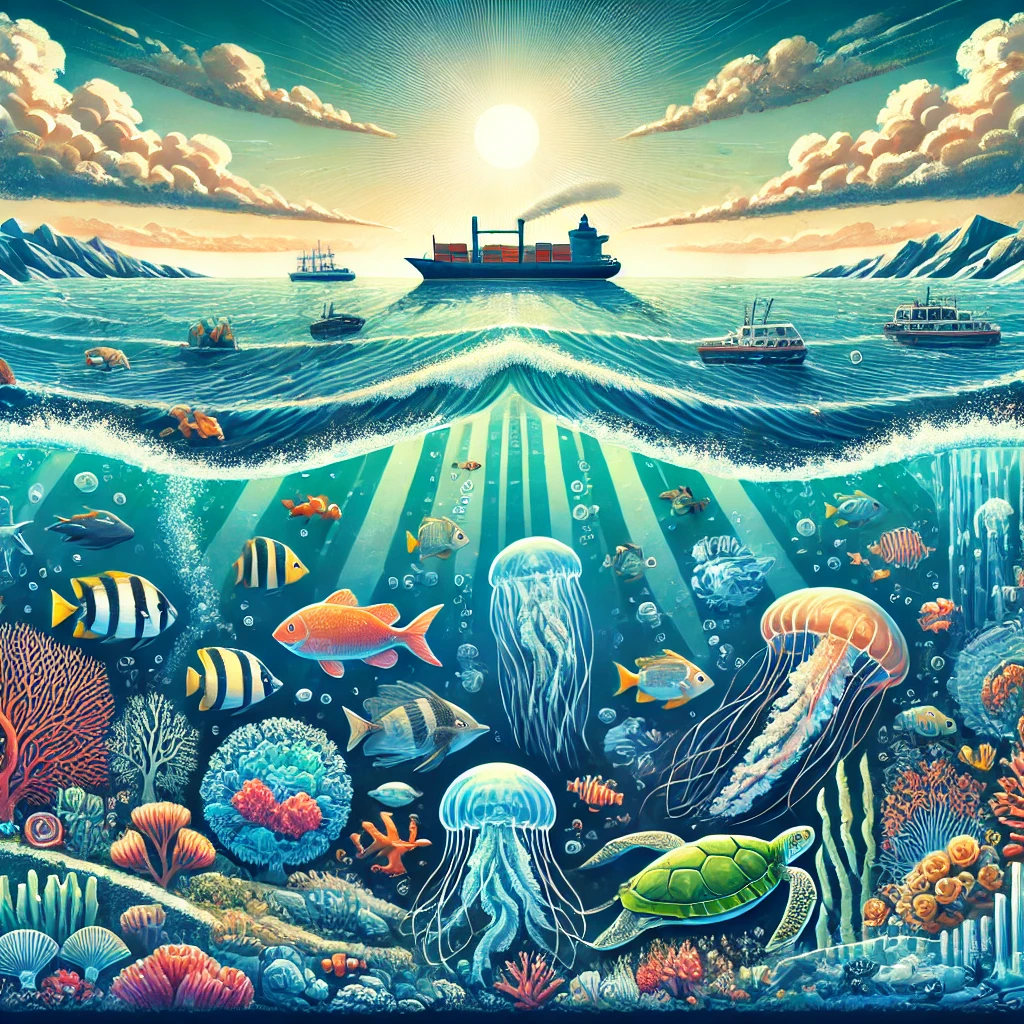
    The oceans are home to an estimated 2.2 million species, many of which are still undiscovered. Marine biodiversity ranges from the smallest plankton to the largest animal on Earth, the blue whale. Coral reefs, mangroves, deep-sea vents, and open ocean ecosystems host a diverse array of life forms. This biodiversity is essential for the health of marine ecosystems and provides numerous benefits to humans, including food, medicine, and economic resources. However, many marine species are threatened by overfishing, habitat destruction, and climate change.

    4. Great Barrier Reef

    The Great Barrier Reef, located off the coast of Queensland, Australia, is the largest coral reef system in the world, stretching over 1,400 miles (2,300 kilometers). It consists of approximately 2,900 individual reefs and 900 islands. The reef is so large that it can be seen from space. It supports a diverse range of marine life, including fish, corals, mollusks, sea turtles, and seabirds. The Great Barrier Reef is also a UNESCO World Heritage site and a major tourist attraction. However, it faces significant threats from coral bleaching, pollution, and climate change.

    5. Oxygen Production

    Oceans produce over 50% of the world’s oxygen through marine plants and phytoplankton. Phytoplankton, microscopic organisms that live in the sunlit upper layers of the ocean, perform photosynthesis, converting carbon dioxide into oxygen. This process is critical for maintaining the balance of gases in the atmosphere and supporting life on Earth. Marine algae, including seaweed, also contribute to oxygen production. The health of these marine organisms is vital for sustaining the oxygen supply and the overall health of the planet.

    6. Ocean Currents

    Ocean currents play a crucial role in regulating the Earth’s climate and weather patterns. These currents are driven by wind, temperature differences, salinity, and the Earth’s rotation. They transport warm water from the equator toward the poles and cold water from the poles toward the equator, helping to distribute heat and regulate temperatures globally. Ocean currents also influence weather systems, such as hurricanes and monsoons, and play a role in nutrient cycling, supporting marine life. The Gulf Stream, for example, is a powerful current that affects the climate of North America and Europe.

    7. Plastic Pollution

    An estimated 8 million metric tons of plastic enter the oceans each year, posing a severe threat to marine life and ecosystems. Plastic pollution affects all parts of the ocean, from coastlines to the deep sea. Marine animals, such as turtles, seabirds, and fish, can ingest plastic or become entangled in it, leading to injury or death. Microplastics, tiny plastic particles, can accumulate in the food chain, affecting both marine life and human health. Efforts to reduce plastic pollution include reducing plastic use, improving waste management, and increasing recycling and cleanup initiatives.

    These seven facts highlight the vastness, complexity, and importance of the world’s oceans, emphasizing the need to protect and preserve these vital ecosystems for future generations.
  • 7 Essential Facts About Climate Change

    7 Essential Facts About Climate Change

    7 Essential Facts About Climate Change

    1. Rising Temperatures

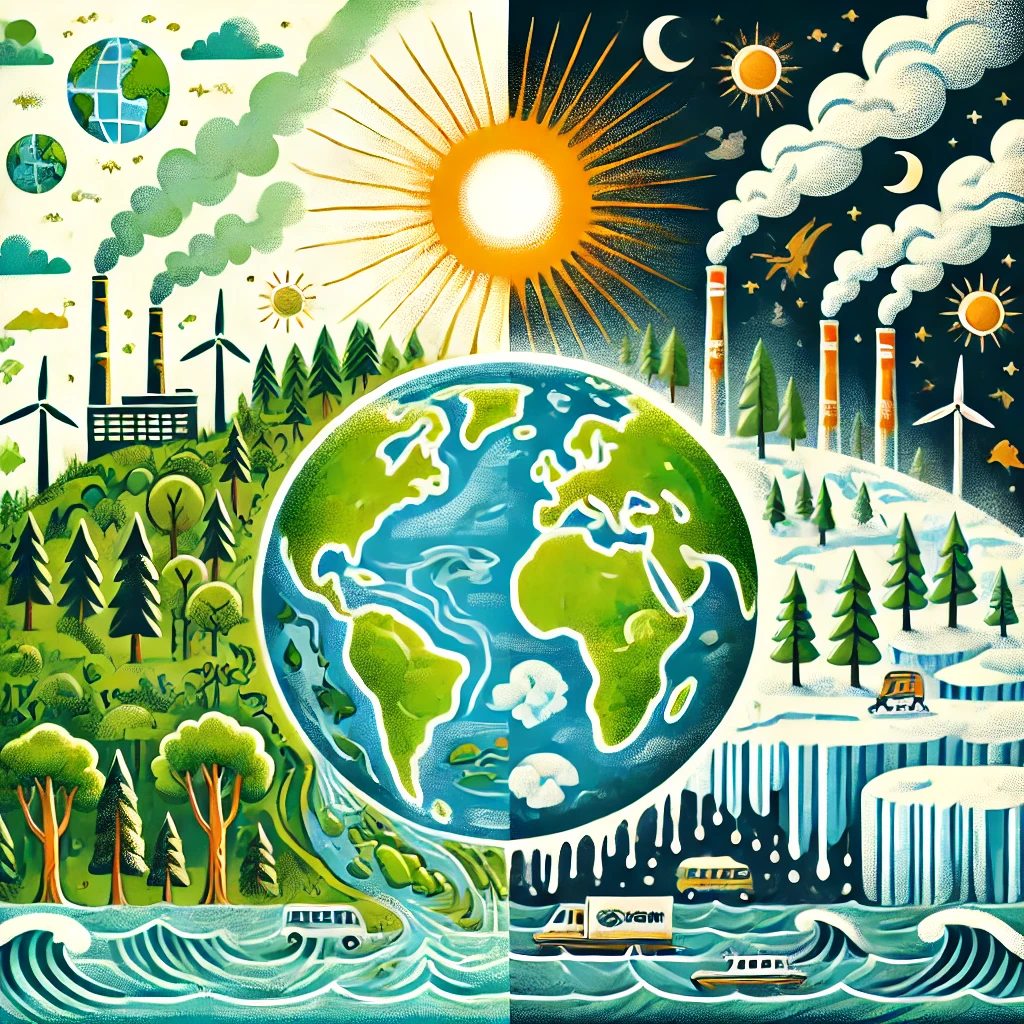
    Since the late 19th century, the Earth’s average surface temperature has increased by about 1.2°C (2.2°F). This rise is largely due to human activities that release greenhouse gases into the atmosphere, trapping heat and causing the planet to warm. This seemingly small increase in temperature has far-reaching impacts, including altered weather patterns, disrupted ecosystems, and more frequent and severe heatwaves. The warming trend is projected to continue, leading to even more significant changes in the climate.

    2. Greenhouse Gases

    Greenhouse gases (GHGs) like carbon dioxide (CO2), methane (CH4), and nitrous oxide (N2O) have increased significantly due to human activities such as burning fossil fuels (coal, oil, and natural gas), deforestation, and industrial processes. These gases trap heat in the atmosphere, creating a ‘greenhouse effect’ that warms the planet. The concentration of CO2, the most prevalent GHG, has risen from pre-industrial levels of about 280 parts per million (ppm) to over 410 ppm today, exacerbating global warming.

    3. Sea Level Rise

    Sea levels are rising as a result of two main factors: the thermal expansion of seawater as it warms and the melting of glaciers and ice sheets. Over the past century, global sea levels have risen by about 20 centimeters (8 inches), with the rate of rise accelerating in recent decades. This poses significant risks to coastal communities, including increased flooding, erosion, and saltwater intrusion into freshwater resources. Low-lying areas and small island nations are particularly vulnerable to these changes.

    4. Extreme Weather

    Climate change is contributing to the increased frequency and severity of extreme weather events. This includes more intense hurricanes and tropical storms, prolonged droughts, severe heatwaves, and heavy rainfall leading to floods. These events have devastating effects on communities, economies, and ecosystems. For example, warmer ocean temperatures can fuel stronger hurricanes, while higher atmospheric temperatures can exacerbate heatwaves and drought conditions.

    5. Ocean Acidification

    The world’s oceans absorb about one-third of the CO2 emitted by human activities. As CO2 dissolves in seawater, it forms carbonic acid, leading to a decrease in the ocean’s pH levels—a process known as ocean acidification. This change in acidity can harm marine life, particularly organisms with calcium carbonate shells or skeletons, such as corals, mollusks, and some plankton species. Acidification disrupts marine ecosystems and threatens fisheries and aquaculture industries.

    6. Biodiversity Loss

    Climate change is one of the major drivers of biodiversity loss. As temperatures rise and weather patterns shift, many species struggle to adapt to the rapidly changing conditions. Habitats are being altered or destroyed, leading to the displacement or extinction of species. Polar bears, coral reefs, and migratory birds are among those at risk. The loss of biodiversity affects ecosystem services that humans rely on, such as pollination, water purification, and disease regulation.

    7. Mitigation and Adaptation

    Addressing climate change requires a dual approach: mitigation and adaptation. Mitigation involves reducing or preventing the emission of greenhouse gases, which can be achieved through transitioning to renewable energy sources (solar, wind, hydro), enhancing energy efficiency, and adopting sustainable practices in agriculture and forestry. Adaptation refers to adjusting our lifestyles and infrastructure to cope with the impacts of climate change, such as building resilient infrastructure, developing early warning systems for extreme weather, and implementing water management strategies to handle droughts and floods.

    These seven facts underscore the urgency and complexity of climate change, highlighting the need for global cooperation and action to mitigate its effects and adapt to its impacts.