Tag: weight management

  • Discover the Secret to Effortless Weight Loss

    Discover the Secret to Effortless Weight Loss

    Discover the Secret to Effortless Weight Loss

    Are You Struggling with Stubborn Belly Fat?

    You’ve tried countless diets and exercise routines, yet that stubborn belly fat refuses to budge. The frustration and disappointment are all too familiar. You’re not alone; many people face the same struggle every day. It’s not just about looking good—carrying extra weight around your midsection can impact your overall health and well-being.

    Imagine waking up each morning feeling energized, stepping into your favorite clothes with confidence, and finally seeing the results you’ve worked so hard for. It’s possible with Ikaria Lean Belly Juice.

    Introducing Ikaria Lean Belly Juice: Your Partner in Health

    Ikaria Lean Belly Juice is a revolutionary dietary supplement that targets the root cause of stubborn fat accumulation. Formulated with natural ingredients, this delicious drink not only helps you shed unwanted pounds but also supports overall wellness. Say goodbye to restrictive diets and exhausting workouts. Embrace a simpler, more effective solution that fits seamlessly into your lifestyle.

    Transform Your Body, Transform Your Life

    Ikaria Lean Belly Juice works by boosting your metabolism, enhancing fat burning, and curbing cravings. Our unique blend of natural ingredients ensures you get the nutrients your body needs while promoting healthy weight loss.

    • Boost Metabolism: Accelerate your body’s natural fat-burning processes.
    • Enhance Energy Levels: Feel more energetic and ready to tackle the day.
    • Curb Cravings: Reduce hunger and unhealthy snacking.
    • Support Overall Wellness: Packed with antioxidants and essential nutrients.

    Experience the joy of a slimmer waistline, increased energy, and improved health with every sip.

    What Makes Ikaria Lean Belly Juice Special?

    Our product is crafted with a meticulous blend of powerful ingredients known for their fat-burning and health-boosting properties:

    • Fucoxanthin: Helps reduce fat storage and speeds up metabolism.
    • Silymarin: Supports liver health and detoxification.
    • Dandelion: Promotes digestion and reduces bloating.
    • Resveratrol: Known for its anti-aging and fat-reducing benefits.
    • Citrus Pectin: Curbs appetite and detoxifies the body.

    Each ingredient is chosen for its effectiveness and combined in precise amounts to maximize results. Ikaria Lean Belly Juice is easy to prepare and fits perfectly into your daily routine. Simply mix it with water or your favorite beverage and enjoy a tasty, health-boosting drink.

    Ready to Transform Your Health?

    Don’t let stubborn belly fat hold you back any longer. Take the first step towards a healthier, more vibrant you with Ikaria Lean Belly Juice. Click the button below to make your purchase and start your journey today.

    Limited Time Bonuses and Guarantees

    We’re so confident in the effectiveness of Ikaria Lean Belly Juice that we’re offering an exclusive 60-day money-back guarantee. If you’re not completely satisfied with your results, simply return the product for a full refund. Plus, for a limited time, receive a FREE wellness guide with your purchase to help you achieve even better results.

    Don’t wait! Transform your life with Ikaria Lean Belly Juice today. Your healthier, happier future starts now.

  • The Green Gold: Exploring the Wonders of Avocado

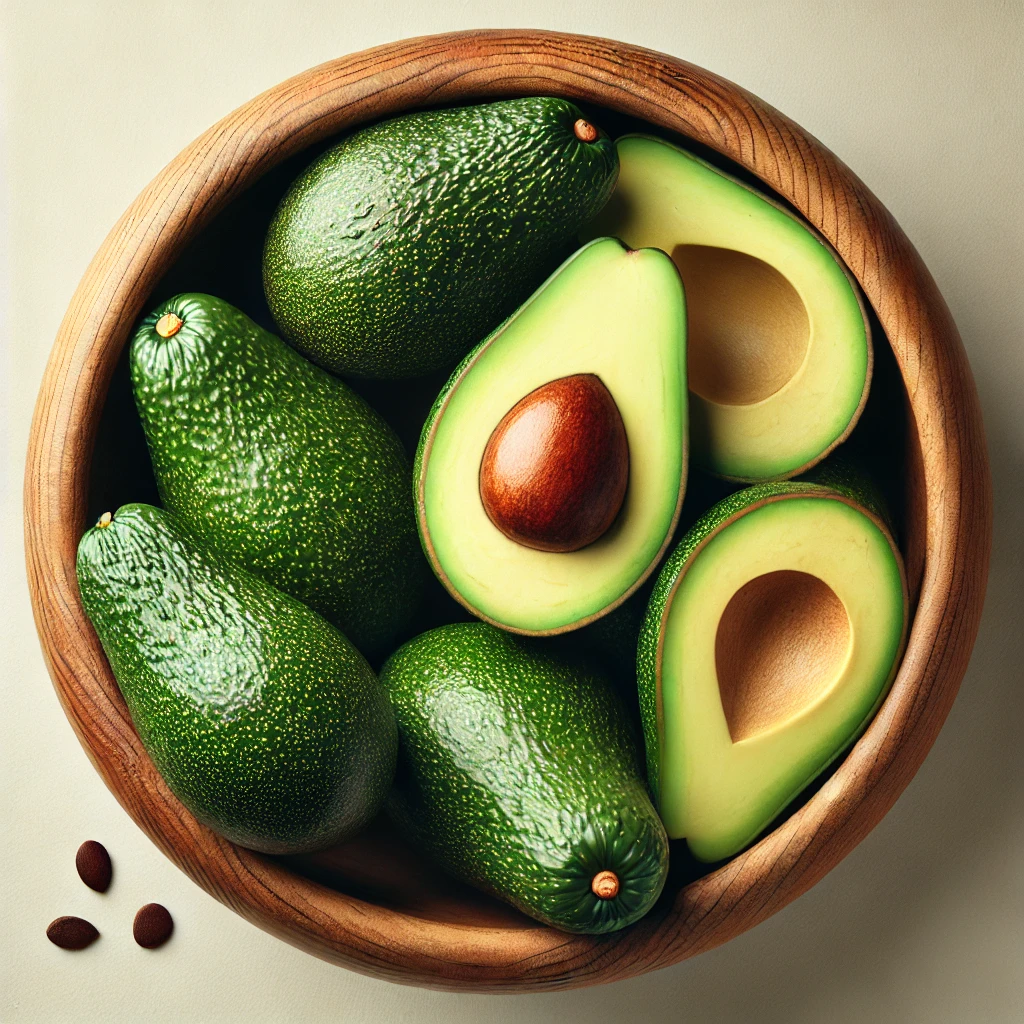
    The Green Gold: Exploring the Wonders of Avocado

    The Green Gold: Exploring the Wonders of Avocado

    Avocado, often referred to as “green gold,” is a unique fruit known for its creamy texture, rich flavor, and impressive nutritional profile. Originating from South Central Mexico, avocados have gained immense popularity worldwide due to their versatility in culinary applications and numerous health benefits. This article will explore the history, nutritional benefits, and various uses of avocados, shedding light on why this fruit has become a staple in many diets.

    A Brief History of Avocado

    The avocado tree, scientifically known as Persea americana, is believed to have originated in the Tehuacan Valley of Mexico as early as 10,000 B.C. The fruit was highly valued by the ancient civilizations of the Aztecs and Mayans, who considered it a symbol of fertility and prosperity. Avocados were introduced to the United States in the early 20th century and have since become a significant agricultural product, especially in California and Florida.

    Nutritional Benefits of Avocado

    Avocados are celebrated for their dense nutrient content. They are packed with healthy fats, vitamins, minerals, and fiber, making them an essential component of a balanced diet. Here are some key nutritional benefits of avocados:

    1. Rich in Healthy Fats: Avocados are high in monounsaturated fats, particularly oleic acid, which is beneficial for heart health. These healthy fats help reduce bad cholesterol levels and lower the risk of heart disease.
    2. High in Fiber: Avocados are an excellent source of dietary fiber, which aids in digestion and promotes a feeling of fullness. This can help with weight management and prevent overeating.
    3. Loaded with Vitamins and Minerals: Avocados provide a wide range of essential vitamins and minerals, including vitamin K, vitamin E, vitamin C, potassium, and folate. Vitamin K is vital for blood clotting, while potassium helps regulate blood pressure.
    4. Antioxidant Properties: Avocados contain antioxidants like lutein and zeaxanthin, which are beneficial for eye health. These antioxidants help protect the eyes from harmful ultraviolet light.
    5. Low in Carbs: For those following a low-carb diet, avocados are an excellent choice as they contain minimal carbohydrates and are high in healthy fats.

    Health Benefits of Avocado

    Including avocados in your diet can offer numerous health benefits, some of which are:

    1. Heart Health: The monounsaturated fats, potassium, and antioxidants in avocados contribute to improved heart health. Regular consumption of avocados has been linked to lower levels of LDL cholesterol and triglycerides.
    2. Weight Management: Despite being calorie-dense, avocados can aid in weight management due to their high fiber and healthy fat content, which promote satiety and reduce overall calorie intake.
    3. Skin Health: The vitamins and healthy fats in avocados help maintain healthy skin. Vitamin E and C in avocados protect the skin from oxidative damage and promote collagen production.
    4. Digestive Health: The high fiber content in avocados supports a healthy digestive system by preventing constipation and promoting regular bowel movements.
    5. Nutrient Absorption: The healthy fats in avocados can help increase the absorption of fat-soluble vitamins such as A, D, E, and K from other foods.

    Culinary Uses of Avocado

    Avocados are incredibly versatile and can be used in various culinary applications. Here are some popular ways to incorporate avocados into your diet:

    1. Guacamole: One of the most famous avocado dishes is guacamole, a Mexican dip made by mashing avocados and mixing them with lime juice, salt, onions, tomatoes, and cilantro. It’s perfect as a dip for tortilla chips or as a topping for tacos and salads.
    2. Avocado Toast: A trendy and nutritious breakfast option, avocado toast involves spreading mashed avocado on whole-grain bread and topping it with ingredients like tomatoes, radishes, or a poached egg.
    3. Smoothies: Adding avocado to smoothies creates a creamy texture and boosts the nutritional content. Combine avocado with fruits like banana, berries, and spinach for a healthy and delicious smoothie.
    4. Salads: Avocado slices can enhance the flavor and texture of salads. Pair them with leafy greens, tomatoes, cucumbers, and a light vinaigrette for a refreshing and nutrient-dense meal.
    5. Baking: Avocado can be used as a substitute for butter or oil in baking recipes, such as brownies and muffins, to create healthier desserts with a creamy texture.
    6. Sushi: Avocado is a common ingredient in sushi rolls, adding a creamy texture and rich flavor that complements the fish and rice.
    7. Avocado Oil: Avocado oil is extracted from the fruit and is excellent for cooking due to its high smoke point. It can be used for frying, sautéing, and as a salad dressing.

    How to Select and Store Avocados

    Choosing the right avocado and storing it properly ensures you get the best flavor and texture. Here are some tips:

    1. Selecting: When choosing avocados, gently squeeze them to check for ripeness. A ripe avocado will yield slightly to pressure but not feel mushy. The skin should be dark green or black, depending on the variety.
    2. Storing: If your avocados are not yet ripe, store them at room temperature until they ripen. Once ripe, you can store them in the refrigerator to slow down the ripening process and extend their shelf life.
    3. Preventing Browning: To prevent cut avocados from browning, sprinkle them with lemon or lime juice and store them in an airtight container in the refrigerator. This will help maintain their green color and freshness.

    Conclusion

    Avocados are a nutritional powerhouse that can provide numerous health benefits. Their versatility in the kitchen makes them a favorite ingredient in many dishes, from breakfast to dessert. By incorporating avocados into your daily diet, you can enjoy their rich flavor and boost your overall health and well-being.

  • The Nutritional Powerhouse: All About Almonds

    The Nutritional Powerhouse: All About Almonds

    The Nutritional Powerhouse: All About Almonds

    Almonds, one of the most popular nuts worldwide, have been enjoyed for thousands of years due to their delicious taste and impressive nutritional profile. Originating from the Middle East, almonds are now cultivated in many parts of the world, including the United States, Spain, and Italy. This article delves into the history, nutritional benefits, and various uses of almonds, highlighting why they are considered a superfood.

    A Brief History of Almonds

    Almonds have a rich history dating back to ancient times. They were a staple in the diets of ancient Egyptians and were considered a luxurious food. Almonds are even mentioned in the Bible, symbolizing divine approval. The almond tree, Prunus dulcis, belongs to the Rosaceae family and is related to other fruit-bearing trees like cherries, plums, and peaches.

    Nutritional Benefits of Almonds

    Almonds are renowned for their high nutrient content. They are an excellent source of healthy fats, protein, vitamins, and minerals, making them a valuable addition to any diet. Here are some key nutritional benefits of almonds:

    1. Rich in Healthy Fats: Almonds contain monounsaturated fats, which are beneficial for heart health. These fats help reduce bad cholesterol levels and lower the risk of heart disease.
    2. High in Protein: A handful of almonds provides a substantial amount of protein, essential for muscle repair and growth. This makes almonds a great snack for vegetarians and vegans looking to boost their protein intake.
    3. Packed with Vitamins and Minerals: Almonds are a rich source of vitamin E, magnesium, and calcium. Vitamin E is a powerful antioxidant that helps protect cells from damage, while magnesium is crucial for muscle function and bone health.
    4. Fiber-Rich: Almonds are high in dietary fiber, which aids in digestion and helps maintain a healthy weight. Fiber also promotes a feeling of fullness, reducing the likelihood of overeating.
    5. Antioxidant Properties: The brown skin of almonds contains antioxidants that can protect against oxidative stress, which can damage molecules in your cells and contribute to inflammation, aging, and diseases like cancer.

    Health Benefits of Almonds

    Including almonds in your diet can offer numerous health benefits, some of which are:

    1. Heart Health: The monounsaturated fats, magnesium, and antioxidants in almonds all contribute to improved heart health. Regular consumption of almonds has been linked to lower levels of LDL cholesterol and reduced risk of heart disease.
    2. Blood Sugar Control: Almonds have a low glycemic index and are high in fiber and healthy fats, which can help regulate blood sugar levels. This makes them an excellent choice for people with diabetes or those looking to manage their blood sugar levels.
    3. Weight Management: Despite being high in calories, almonds can help with weight management. The protein, fiber, and healthy fats in almonds promote satiety, reducing overall calorie intake.
    4. Skin Health: The vitamin E and antioxidants in almonds can help keep your skin healthy and glowing. Vitamin E protects the skin from oxidative damage and can slow down the aging process.
    5. Bone Health: Almonds are a good source of calcium and magnesium, which are essential for maintaining strong and healthy bones.

    Culinary Uses of Almonds

    Almonds are incredibly versatile and can be used in a variety of culinary applications. Here are some popular ways to incorporate almonds into your diet:

    1. Snacking: Raw or roasted almonds make a healthy and convenient snack. They can be eaten on their own or mixed with other nuts and dried fruits.
    2. Almond Butter: Almond butter is a delicious and nutritious spread that can be used on toast, in smoothies, or as a dip for fruits and vegetables.
    3. Almond Milk: Almond milk is a popular dairy-free alternative to cow’s milk. It is made by blending almonds with water and straining the mixture to remove the solids. Almond milk is often fortified with vitamins and minerals, making it a nutritious beverage.
    4. Baking: Almond flour, made from finely ground almonds, is a gluten-free alternative to wheat flour. It can be used in a variety of baked goods, such as cookies, cakes, and bread.
    5. Cooking: Sliced or chopped almonds can be added to salads, stir-fries, and grain dishes for added texture and flavor.
    6. Desserts: Almonds are a common ingredient in many desserts, including almond cookies, marzipan, and nougat. They add a delightful crunch and nutty flavor to sweet treats.

    How to Store Almonds

    To ensure that almonds stay fresh and retain their nutritional value, it is important to store them properly. Here are some tips for storing almonds:

    1. Cool, Dry Place: Store almonds in a cool, dry place away from direct sunlight. A pantry or cupboard is ideal.
    2. Airtight Container: Keep almonds in an airtight container to protect them from moisture and pests.
    3. Refrigeration: For longer shelf life, almonds can be stored in the refrigerator. This is especially important if you live in a warm or humid climate.
    4. Freezing: Almonds can also be stored in the freezer for up to a year. Place them in a freezer-safe bag or container to prevent freezer burn.

    Conclusion

    Almonds are a nutritional powerhouse that can provide numerous health benefits. Whether you enjoy them as a snack, in a smoothie, or as an ingredient in your favorite recipes, almonds are a versatile and delicious addition to any diet. By incorporating almonds into your daily routine, you can boost your overall health and well-being.