Tag: white tea benefits

  • Unveiling the Health Benefits of Tea

    Unveiling the Health Benefits of Tea

    Unveiling the Health Benefits of Tea

    Tea, one of the most widely consumed beverages in the world, has been cherished for centuries not only for its soothing flavors but also for its numerous health benefits. Originating from ancient China, tea has become an integral part of various cultures and traditions globally. This article explores the different types of tea, their health benefits, and why incorporating tea into your daily routine can significantly enhance your well-being.

    Types of Tea

    Tea comes in various forms, each with unique flavors and health properties. The primary types of tea are:

    1. Green Tea: Known for its fresh and delicate flavor, green tea is rich in antioxidants, particularly catechins, which contribute to its numerous health benefits.
    2. Black Tea: Black tea is fully oxidized, giving it a robust flavor and dark color. It contains high levels of theaflavins and thearubigins, antioxidants that support heart health.
    3. Oolong Tea: This tea falls between green and black tea in terms of oxidation. Oolong tea boasts a complex flavor profile and offers benefits similar to both green and black teas.
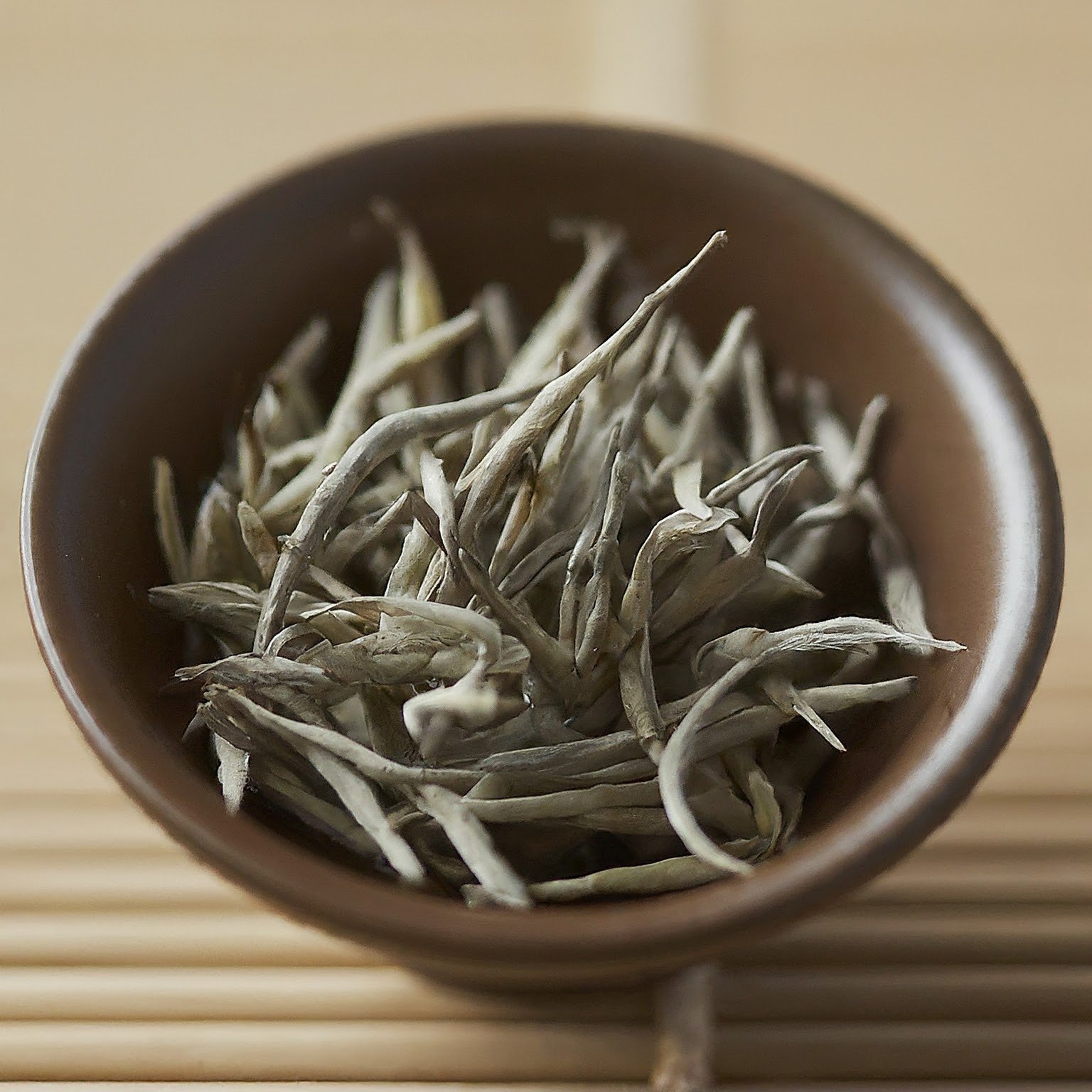
    4. White Tea: Made from young tea leaves and buds, white tea undergoes minimal processing. It has a mild flavor and is packed with antioxidants.
    5. Herbal Tea: Technically not a true tea, herbal teas are infusions of herbs, spices, and other plant materials. Popular herbal teas include chamomile, peppermint, and rooibos, each offering distinct health benefits.

    Health Benefits of Tea

    Incorporating tea into your daily routine can provide a wide range of health benefits, some of which are:

    1. Rich in Antioxidants: Tea is packed with antioxidants, such as catechins, theaflavins, and polyphenols, which help neutralize harmful free radicals in the body. These antioxidants protect cells from damage, reducing the risk of chronic diseases.
    2. Supports Heart Health: Regular consumption of tea, especially green and black teas, is associated with improved heart health. The antioxidants in tea can lower LDL cholesterol levels, reduce blood pressure, and improve blood vessel function, thereby lowering the risk of heart disease and stroke.
    3. Boosts Metabolism and Aids Weight Loss: Green tea, in particular, has been shown to boost metabolism and increase fat burning. The catechins and caffeine in green tea can enhance energy expenditure and support weight loss efforts.
    4. Improves Mental Alertness: The caffeine content in tea can help improve mental alertness and concentration. Additionally, tea contains an amino acid called L-theanine, which promotes relaxation without causing drowsiness, leading to a balanced state of alertness.
    5. Enhances Immune Function: Tea contains various compounds that can strengthen the immune system. For example, the polyphenols and flavonoids in tea can help fight off infections and reduce inflammation.
    6. Supports Digestive Health: Herbal teas, such as peppermint and ginger tea, can aid digestion and alleviate digestive issues like bloating and nausea. The antioxidants in tea can also promote the growth of beneficial gut bacteria.
    7. Promotes Healthy Skin: The antioxidants in tea, particularly green tea, can help protect the skin from damage caused by UV rays and pollution. Regular consumption of tea can improve skin elasticity, reduce wrinkles, and promote a healthy complexion.
    8. Reduces Stress and Promotes Relaxation: Herbal teas like chamomile and lavender are known for their calming effects. These teas can help reduce stress, anxiety, and promote better sleep quality.
    9. Supports Bone Health: Some studies suggest that regular tea consumption can improve bone density and reduce the risk of osteoporosis. The flavonoids in tea may help protect bone cells from damage.
    10. May Reduce the Risk of Cancer: The antioxidants in tea have been studied for their potential to reduce the risk of certain types of cancer. Green tea, in particular, has shown promising results in reducing the risk of breast, prostate, and colorectal cancers.

    How to Incorporate Tea into Your Daily Routine

    Incorporating tea into your daily routine is simple and can be a delightful experience. Here are some tips to enjoy the health benefits of tea:

    1. Start Your Day with Tea: Replace your morning coffee with a cup of green or black tea to kickstart your day with a dose of antioxidants and a gentle caffeine boost.
    2. Enjoy Afternoon Tea: Take a break in the afternoon with a cup of oolong or white tea. This can help re-energize you and improve your focus for the rest of the day.
    3. Relax with Herbal Tea: In the evening, unwind with a cup of herbal tea, such as chamomile or lavender. This can help reduce stress and promote better sleep.
    4. Experiment with Flavors: Try different types of tea and explore various flavors. Mix and match teas to find your perfect blend.
    5. Cook with Tea: Use tea as an ingredient in cooking. For example, green tea can be used in smoothies, black tea can add depth to marinades, and herbal teas can enhance the flavor of baked goods.
    6. Stay Hydrated: Keep a bottle of iced tea in the refrigerator to stay hydrated throughout the day. Unsweetened iced tea is a refreshing and healthy alternative to sugary drinks.

    Conclusion

    Tea is more than just a beverage; it is a treasure trove of health benefits. From boosting heart health to enhancing mental alertness and supporting weight loss, tea can be a valuable addition to your daily routine. By exploring different types of tea and incorporating them into your diet, you can enjoy their delightful flavors and improve your overall well-being.

  • The Elegance of White Tea: Benefits, Varieties, and Brewing Tips

    The Elegance of White Tea: Benefits, Varieties, and Brewing Tips

    The Elegance of White Tea: Benefits, Varieties, and Brewing Tips

    White tea, often regarded as the most delicate and refined of all tea types, is a true delight for tea connoisseurs. Made from the young leaves and buds of the Camellia sinensis plant, white tea undergoes minimal processing, preserving its natural antioxidants and subtle flavors. In this article, we will explore the history, types, health benefits, and brewing tips for white tea, ensuring you can fully appreciate this exquisite beverage.

    History of White Tea

    White tea has a rich history that traces back to ancient China, particularly during the Tang Dynasty (618-907 AD). It was initially reserved for royalty and high-ranking officials due to its rarity and the labor-intensive process required for its production. The delicate nature of white tea, coupled with its limited availability, made it a prized possession in the imperial courts. Today, white tea continues to be revered for its purity and sophistication.

    Varieties of White Tea

    White tea comes in several varieties, each with its unique characteristics and flavor profiles. Here are some of the most well-known types:

    1. Silver Needle (Bai Hao Yin Zhen): This premium white tea is made exclusively from the young buds of the tea plant. It has a sweet, delicate flavor with a hint of floral notes.
    2. White Peony (Bai Mu Dan): Comprising both buds and young leaves, White Peony offers a slightly stronger flavor than Silver Needle, with a fruity and floral aroma.
    3. Long Life Eyebrow (Shou Mei): Made from more mature leaves and buds, this tea has a richer, earthier flavor with a slight hint of sweetness.
    4. Tribute Eyebrow (Gong Mei): Similar to Shou Mei, Tribute Eyebrow is known for its robust flavor and is often more affordable than other white tea varieties.

    Health Benefits of White Tea

    White tea is celebrated not only for its delicate taste but also for its numerous health benefits. Here are some key advantages of including white tea in your diet:

    1. Rich in Antioxidants: White tea is packed with antioxidants, particularly catechins, which help combat free radicals and reduce the risk of chronic diseases.
    2. Supports Skin Health: The antioxidants in white tea can help protect the skin from damage caused by UV rays and reduce the signs of aging.
    3. Boosts Heart Health: Regular consumption of white tea can improve cardiovascular health by lowering blood pressure and reducing bad cholesterol levels.
    4. Aids in Weight Loss: White tea has been shown to boost metabolism and promote fat oxidation, making it an excellent addition to a weight loss regimen.
    5. Enhances Oral Health: The natural antibacterial properties of white tea can help prevent cavities, reduce plaque, and freshen breath.

    How to Brew the Perfect Cup of White Tea

    Brewing white tea requires a gentle touch to ensure its delicate flavors are fully appreciated. Here are some tips to help you brew the perfect cup:

    1. Water Temperature: White tea should be brewed with water that is around 160-185°F (70-85°C). Using boiling water can scorch the leaves and result in a bitter taste.
    2. Steeping Time: Steep white tea for 3-5 minutes. Adjust the time based on your taste preference; longer steeping will produce a stronger flavor.
    3. Tea-to-Water Ratio: Use about two teaspoons of white tea leaves per cup of water. Since white tea leaves are less dense, you may need a bit more tea than other types.
    4. Quality of Water: Use fresh, filtered water to ensure the best taste.
    5. Multiple Infusions: High-quality white tea leaves can be steeped multiple times. Increase the steeping time slightly with each subsequent infusion.

    Culinary Uses of White Tea

    White tea’s subtle flavor makes it a versatile ingredient in various culinary creations. Here are some creative ways to incorporate white tea into your diet:

    1. White Tea Smoothies: Blend brewed white tea with fruits, yogurt, and a sweetener for a refreshing and healthy smoothie.
    2. White Tea Sorbet: Use brewed white tea as a base for a light and refreshing sorbet, perfect for hot summer days.
    3. White Tea Marinade: Incorporate white tea into marinades for meats and seafood to add a delicate, floral note to your dishes.
    4. White Tea Salad Dressing: Mix brewed white tea with olive oil, vinegar, and seasonings for a unique and flavorful salad dressing.

    Conclusion

    White tea is a sophisticated and healthful beverage that offers a unique and delicate flavor profile. Its rich history, diverse varieties, numerous health benefits, and culinary versatility make it a valuable addition to any diet. Whether you are a seasoned tea drinker or new to the world of white tea, there is always something new to discover and enjoy about this remarkable beverage.