Author: Ste Magazine

  • 7 Interesting Facts About Space Exploration

    7 Interesting Facts About Space Exploration

    7 Interesting Facts About Space Exploration

    1. First Human in Space

    Yuri Gagarin, a Soviet astronaut, made history on April 12, 1961, by becoming the first human to travel into space. He orbited the Earth once aboard the Vostok 1 spacecraft, a mission that lasted 108 minutes from launch to landing. Gagarin’s successful flight marked a significant milestone in the Space Race between the Soviet Union and the United States, showcasing Soviet prowess in space technology and exploration. Gagarin’s achievement paved the way for future human spaceflight and is celebrated annually as Yuri’s Night.

    2. Moon Landing

    On July 20, 1969, Neil Armstrong and Buzz Aldrin became the first humans to set foot on the Moon during NASA’s Apollo 11 mission. Armstrong’s famous words, “That’s one small step for man, one giant leap for mankind,” marked a monumental moment in human history. The Apollo 11 mission demonstrated the feasibility of manned lunar landings and fulfilled President John F. Kennedy’s goal of landing a man on the Moon and returning him safely to Earth. The mission also provided valuable scientific data and samples from the Moon’s surface.

    3. Mars Rovers

    NASA’s Mars rovers, such as Curiosity and Perseverance, have revolutionized our understanding of the Red Planet. Launched in 2011 and 2020 respectively, these rovers have explored Mars’ surface, analyzed its geology, and searched for signs of past microbial life. Curiosity’s discoveries include evidence of ancient water flows, while Perseverance is focused on astrobiology and collecting samples for future return to Earth. These rovers are equipped with advanced instruments and have transmitted a wealth of data back to scientists, helping to unravel the mysteries of Mars.

    4. Hubble Space Telescope

    Since its launch in 1990, the Hubble Space Telescope has provided some of the most detailed images of the universe ever captured. Positioned above Earth’s atmosphere, Hubble has a clear view of distant galaxies, nebulae, and other celestial objects. Its observations have led to numerous discoveries, such as determining the rate of expansion of the universe, identifying exoplanets, and capturing the life cycles of stars. Hubble’s contributions have greatly enhanced our understanding of the cosmos and inspired countless scientific studies.

    5. International Space Station

    The International Space Station (ISS) is a collaborative project involving space agencies from the United States (NASA), Russia (Roscosmos), Europe (ESA), Japan (JAXA), and Canada (CSA). Orbiting Earth at an average altitude of about 408 kilometers (253 miles), the ISS serves as a unique laboratory for scientific research in microgravity. Experiments conducted on the ISS cover a wide range of disciplines, including biology, physics, astronomy, and materials science. The ISS also plays a crucial role in preparing for future long-duration space missions, such as those to Mars.

    6. Voyager Probes

    Launched by NASA in 1977, the Voyager probes (Voyager 1 and Voyager 2) are among the most successful and long-lasting missions in space exploration history. Voyager 1 entered interstellar space in 2012, followed by Voyager 2 in 2018. These probes have provided invaluable data about the outer planets and their moons, as well as the heliosphere—the bubble-like region of space dominated by the Sun’s influence. Voyager 1’s famous “Pale Blue Dot” photograph of Earth, taken from a distance of about 3.7 billion miles, highlights the vastness of space and our place within it.

    7. Reusable Rockets

    The development of reusable rockets by companies like SpaceX has revolutionized space travel by significantly reducing its cost. SpaceX’s Falcon 9 rocket, which features a reusable first stage, has successfully landed and been reused multiple times. This innovation allows for more frequent and affordable access to space, enabling a new era of exploration and commercial opportunities. Reusable rockets are a critical step towards sustainable space exploration and play a key role in plans for future missions to the Moon, Mars, and beyond.

    These seven facts highlight the incredible achievements and ongoing advancements in space exploration, showcasing humanity’s relentless pursuit of knowledge and discovery.

  • 7 Surprising Facts About the Human Brain

    7 Surprising Facts About the Human Brain

    7 Surprising Facts About the Human Brain

    1. Neuron Count

    The human brain contains approximately 86 billion neurons. Neurons are the fundamental units of the brain and nervous system, responsible for receiving sensory input from the external world, processing this information, and sending commands to the body. Each neuron can form thousands of connections with other neurons, creating a vast and intricate network. These connections, known as synapses, enable the complex signaling and communication required for everything from basic reflexes to advanced cognitive functions.

    2. Energy Consumption

    Although the brain accounts for only about 2% of a person’s body weight, it consumes roughly 20% of the body’s energy. This high energy demand is due to the brain’s continuous activity, even during sleep. The brain requires a constant supply of glucose and oxygen to maintain its functions, including maintaining electrical potentials across neuron membranes and synthesizing neurotransmitters. The energy is used for various processes such as signaling, maintenance, and the creation of new neural connections.

    3. Plasticity

    The brain exhibits remarkable plasticity, meaning it has the ability to reorganize itself by forming new neural connections throughout life. Neuroplasticity allows the brain to adapt to new experiences, learn new information, and recover from injuries. This adaptability is essential for learning and memory and is the basis for rehabilitation therapies that help people recover lost functions after brain injuries or strokes. The extent and efficiency of plasticity can vary depending on age, health, and environmental factors.

    4. Speed

    Information travels through the brain at astonishing speeds, up to 268 miles per hour. This rapid transmission is facilitated by neurons and the myelin sheath, a fatty layer that surrounds nerve fibers and increases the speed of electrical impulses. Fast communication between neurons is essential for the brain to process information quickly and efficiently, enabling rapid responses to stimuli and coordination of complex tasks such as movement, perception, and decision-making.

    5. Memory Storage

    The brain’s storage capacity is virtually unlimited, thanks to its trillions of synaptic connections. Each synapse can be strengthened or weakened based on activity, which is the basis for learning and memory. Unlike computer storage, which has a fixed limit, the brain continually forms new connections and reorganizes existing ones, allowing for an immense capacity to store and recall information. This dynamic nature of memory storage involves complex biochemical processes and structural changes in the brain.

    6. Dreams

    The average person experiences about 4-6 dreams per night during the rapid eye movement (REM) stage of sleep. Dreams are a fascinating phenomenon that can range from mundane to bizarre. While the exact purpose of dreaming is still debated, theories suggest that dreams may help with memory consolidation, problem-solving, and processing emotions. Despite having multiple dreams each night, many people do not remember them, likely due to the brain’s mechanisms for filtering out unnecessary information.

    7. Unique Patterns

    Each person’s brain is unique, with distinct patterns of connectivity and activity. These patterns are shaped by genetics, experiences, and environmental influences, making every brain different. The uniqueness of each brain is evident in aspects such as personality, cognitive abilities, and behavior. Advanced imaging techniques, such as functional MRI (fMRI), have revealed that even identical twins have differences in their brain structures and activity patterns, highlighting the individual nature of the human brain.

    4o

  • 7 Fascinating Facts About Ancient Egypt

    7 Fascinating Facts About Ancient Egypt

    7 Fascinating Facts About Ancient Egypt

    1. Hieroglyphs

    Hieroglyphs were the formal writing system used in Ancient Egypt, combining logographic and alphabetic elements. Hieroglyphic writing consisted of over 700 symbols, each representing a different sound, object, or idea. These symbols were meticulously carved on temple walls, tombs, and other monuments, and were also written on papyrus scrolls. The deciphering of hieroglyphs was a monumental task achieved by Jean-François Champollion in the early 19th century, thanks to the Rosetta Stone, which contained the same text in Greek, Demotic, and hieroglyphic script.

    2. Pyramids

    The pyramids of Egypt, particularly the Great Pyramid of Giza, are iconic symbols of ancient engineering prowess. The Great Pyramid, built for the Pharaoh Khufu (also known as Cheops), is the largest of the three pyramids on the Giza Plateau. Constructed around 2580–2560 BCE, it originally stood at 146.6 meters (481 feet) tall. The precision with which the pyramids were built, with massive limestone and granite blocks, showcases the Egyptians’ advanced understanding of architecture and their ability to mobilize and organize large labor forces.

    3. Mummification

    Mummification was a sophisticated process designed to preserve the bodies of the dead for the afterlife, reflecting the Egyptians’ belief in immortality. The process involved several stages: removing internal organs, treating the body with natron (a natural desiccant), and wrapping it in linen bandages. Organs were often placed in canopic jars, and the body was sometimes adorned with amulets to protect it in the afterlife. The most famous mummies, such as that of Tutankhamun, have provided invaluable insights into Egyptian burial practices and beliefs.

    4. Pharaohs

    Pharaohs were the supreme rulers of Egypt and were considered divine beings, believed to be intermediaries between the gods and humans. They held absolute power and were responsible for maintaining ma’at (order, balance, and justice) in society. Pharaohs were often depicted in monumental art and their names were inscribed in cartouches (oval frames) on monuments. Notable pharaohs include Ramses II, known for his extensive building projects, and Cleopatra VII, the last pharaoh of Egypt who played a significant role in Roman political affairs.

    5. Mathematics and Engineering

    The Egyptians made significant contributions to mathematics and engineering, essential for the construction of their grand monuments. They developed a decimal system and had a deep understanding of geometry, which they used to design and build pyramids, temples, and other structures with remarkable precision. Their knowledge extended to practical applications such as surveying land and calculating areas for agricultural purposes. Techniques like using ropes and stakes for measurements and constructing ramps to move heavy stones are examples of their engineering ingenuity.

    6. Medicine

    Ancient Egyptian medicine was highly advanced for its time, incorporating a combination of practical treatments and spiritual healing. Medical texts, such as the Edwin Smith Papyrus and the Ebers Papyrus, reveal a sophisticated understanding of anatomy and various treatments for ailments. Egyptians practiced surgery, including the treatment of wounds and fractures, and had a comprehensive knowledge of medicinal plants and their uses. They also emphasized hygiene and had specialized physicians for different ailments, indicating an organized medical system.

    7. Religion

    Religion was integral to every aspect of Egyptian life. The Egyptians worshipped a vast pantheon of gods and goddesses, each associated with different aspects of nature and society. Major deities included Ra, the sun god; Osiris, the god of the afterlife; and Isis, the goddess of motherhood and magic. Temples dedicated to these gods were centers of worship and played significant roles in the community. Religious practices included rituals, offerings, and festivals, which were believed to maintain harmony and favor with the gods. The concept of the afterlife was central to their beliefs, influencing their burial practices and the construction of elaborate tombs and mortuary temples.

    4o

  • Exploring Tea Plantations in Japan: A Journey Through Tradition and Craft

    Exploring Tea Plantations in Japan: A Journey Through Tradition and Craft

    Exploring Tea Plantations in Japan: A Journey Through Tradition and Craft

    Japan’s tea plantations are more than just fields of greenery; they are a testament to centuries of tradition, meticulous craftsmanship, and a deep cultural heritage. From the lush fields of Shizuoka to the renowned plantations of Uji, Japan’s tea-growing regions offer a rich tapestry of history and exquisite flavors. In this article, we will delve into the history, regions, cultivation methods, and significance of tea plantations in Japan, providing a comprehensive guide to this vital aspect of Japanese culture.

    History of Tea in Japan

    Tea was first introduced to Japan from China in the early 9th century by Buddhist monks. The cultivation and consumption of tea were initially limited to the nobility and religious ceremonies. However, during the Kamakura period (1185-1333), tea cultivation began to spread more widely, thanks in part to the efforts of the monk Eisai, who promoted tea for its health benefits.

    By the 16th century, the Japanese tea ceremony, or Chanoyu, had been established, largely influenced by tea master Sen no Rikyu. This period also saw the development of various tea-growing regions, each producing unique and high-quality teas.

    Major Tea-Growing Regions in Japan

    Japan’s diverse climate and geography allow for the cultivation of various types of tea, each with distinct characteristics. Here are some of the most prominent tea-growing regions:

    1. Shizuoka Prefecture: Located on the Pacific coast, Shizuoka is Japan’s largest tea-producing region, accounting for about 40% of the country’s tea. The region’s mild climate and well-drained soil are ideal for tea cultivation. Shizuoka is known for producing a wide range of teas, including Sencha, Fukamushi Sencha, and Matcha.
    2. Uji, Kyoto Prefecture: Uji is one of the oldest and most famous tea-growing regions in Japan. It is renowned for its high-quality Matcha and Gyokuro teas. The region’s rich history in tea cultivation dates back to the 12th century, and Uji tea is often associated with the Japanese tea ceremony.
    3. Kagoshima Prefecture: Located in the southern part of Japan, Kagoshima has a warm climate that supports year-round tea cultivation. The region is known for producing deep-steamed Sencha (Fukamushi Sencha) and Kabusecha. Kagoshima’s teas are recognized for their rich flavor and deep green color.
    4. Shiga Prefecture: This region is known for producing high-quality tea leaves used in the production of Tencha, which is ground into Matcha. Shiga’s unique climate and soil conditions contribute to the distinctive flavor of its teas.

    Cultivation Methods

    Japanese tea cultivation is characterized by meticulous care and traditional methods that have been refined over centuries. Key cultivation practices include:

    1. Shading: For certain types of tea, such as Gyokuro and Matcha, tea plants are shaded from direct sunlight for about three weeks before harvest. This process increases chlorophyll production, resulting in a vibrant green color and a higher concentration of amino acids, which enhance the tea’s sweetness and umami flavor.
    2. Hand-Picking: High-quality Japanese teas are often hand-picked to ensure that only the youngest and most tender leaves are harvested. This labor-intensive process helps maintain the quality and flavor of the tea.
    3. Steaming: After harvesting, the tea leaves are quickly steamed to prevent oxidation. This method preserves the leaves’ green color and fresh flavor, distinguishing Japanese green teas from Chinese green teas, which are typically pan-fired.
    4. Rolling and Drying: The steamed leaves are rolled and shaped to release their natural oils and enhance their flavor. The leaves are then dried to reduce moisture content and prepare them for storage and packaging.

    Significance of Japanese Tea Plantations

    Japanese tea plantations are not just agricultural sites; they are cultural landmarks that embody the essence of Japanese tradition and hospitality. Tea is deeply woven into the fabric of Japanese society, from daily consumption to elaborate tea ceremonies. The significance of these plantations extends beyond the production of tea leaves to include:

    1. Cultural Heritage: Tea plantations preserve traditional cultivation methods and practices that have been passed down through generations. They are living museums that showcase the artistry and craftsmanship involved in tea production.
    2. Economic Importance: Tea is a vital agricultural product for Japan, providing livelihoods for thousands of farmers and contributing significantly to the country’s economy. Regions like Shizuoka and Uji are economically reliant on tea cultivation and tourism.
    3. Tourism and Education: Tea plantations attract tourists and tea enthusiasts from around the world. Visitors can tour the fields, participate in tea-picking activities, and learn about the tea-making process. These experiences foster a deeper appreciation for Japanese tea culture and its global influence.

    Visiting Japanese Tea Plantations

    For those interested in experiencing Japanese tea culture firsthand, visiting a tea plantation is a must. Many plantations offer guided tours, tea tastings, and hands-on experiences such as tea picking and tea ceremony demonstrations. Some notable places to visit include:

    1. Obubu Tea Farm in Wazuka, Kyoto: Known for its educational tours and immersive experiences, Obubu Tea Farm allows visitors to explore the tea fields and learn about the entire tea-making process.
    2. Tea Museum in Shizuoka: This museum offers insights into the history and cultivation of tea in Shizuoka. Visitors can participate in tea ceremonies and taste various types of Shizuoka tea.
    3. Marukyu-Koyamaen in Uji: A prestigious tea producer, Marukyu-Koyamaen offers tours that include a visit to their tea fields and a Matcha-making workshop.

    Conclusion

    Japanese tea plantations are a blend of nature, tradition, and meticulous craftsmanship. They are the heart of Japan’s tea culture, producing some of the finest teas in the world. Whether you’re a tea connoisseur or a curious traveler, exploring these plantations offers a unique opportunity to connect with Japan’s rich cultural heritage and appreciate the intricate process that goes into every cup of tea.

  • The Art of Tea Ceremony: A Global Tradition

    The Art of Tea Ceremony: A Global Tradition

    The Art of Tea Ceremony: A Global Tradition

    Tea ceremonies are rich cultural practices that span the globe, each with unique rituals and significance. From the intricate Japanese tea ceremony to the communal Moroccan tea ritual, these ceremonies highlight the importance of tea in various cultures. This article explores the tea ceremonies of Japan, China, India, Morocco, and the UK, providing insights into their history, rituals, and cultural significance.

    Japanese Tea Ceremony

    The Japanese tea ceremony, or Chanoyu, is a highly ritualized practice centered around the preparation and consumption of matcha (powdered green tea). Rooted in Zen Buddhism, it emphasizes mindfulness, tranquility, and respect. The ceremony involves several stages, including the preparation of the tea room, the precise movements of the host, and the ceremonial drinking of tea by the guests.

    1. History: The Japanese tea ceremony dates back to the 9th century but was formalized in the 16th century by tea master Sen no Rikyu.
    2. Rituals: The ceremony is guided by the principles of harmony, respect, purity, and tranquility. Every movement and object, from the tea utensils to the tea garden, is imbued with meaning.
    3. Significance: It is a meditative practice that fosters a deep connection between the host, guests, and the moment.

    Chinese Tea Ceremony

    The Chinese tea ceremony, or Gongfu Cha, translates to “making tea with skill.” It involves brewing tea in a way that maximizes the flavor and aroma, typically using oolong or pu-erh tea.

    1. History: Tea has been consumed in China for over 4,000 years, with the Gongfu Cha method emerging during the Ming Dynasty (1368-1644).
    2. Rituals: The ceremony uses a small teapot and cups, and the tea is brewed multiple times to extract the best flavors. The process includes warming the teapot and cups, appreciating the tea leaves, and savoring the taste and aroma.
    3. Significance: It is a social activity that promotes relaxation and appreciation of tea’s subtleties.

    Indian Tea Ceremony

    India, one of the largest tea producers globally, has a unique tea culture centered around Chai. Unlike the formalized ceremonies of Japan and China, the Indian tea ritual is more informal and ubiquitous.

    1. History: Tea cultivation in India began in the 19th century under British colonial rule. Chai, a blend of black tea, milk, sugar, and spices, became popular across the country.
    2. Rituals: Chai is typically prepared by boiling tea leaves with milk, water, and a mix of spices like cardamom, ginger, and cinnamon. It is often served in small glasses or clay cups.
    3. Significance: Chai is a symbol of hospitality and community, enjoyed at any time of day and in various social settings.

    Moroccan Tea Ceremony

    The Moroccan tea ceremony is a symbol of hospitality and is centered around mint tea (Atay). It is an elaborate and social affair, reflecting the importance of tea in Moroccan culture.

    1. History: Introduced in the 18th century by British merchants, tea quickly became a staple of Moroccan hospitality.
    2. Rituals: The ceremony involves brewing green tea with fresh mint and sugar. The tea is poured from a height to create a frothy top, which enhances the flavor and aroma.
    3. Significance: Serving tea is a sign of respect and hospitality, often performed by the head of the household.

    British Afternoon Tea

    British afternoon tea is a well-known social event, traditionally consisting of tea served with sandwiches, scones, and pastries. It is less about ritual and more about the social experience.

    1. History: Afternoon tea was popularized in the early 19th century by Anna, the Duchess of Bedford, to stave off hunger between lunch and dinner.
    2. Rituals: It involves a selection of teas, usually served with milk and sugar, accompanied by light snacks. The tea is often brewed in a pot and served in fine china.
    3. Significance: Afternoon tea is a leisurely social event, often enjoyed in upscale hotels and tearooms.

    Conclusion

    Tea ceremonies around the world offer a fascinating glimpse into the diverse ways in which this beloved beverage is enjoyed and celebrated. Each ceremony, with its unique rituals and significance, reflects the cultural values and social traditions of its region. Whether it’s the meditative Japanese Chanoyu, the skillful Chinese Gongfu Cha, the communal Indian Chai, the hospitable Moroccan mint tea, or the social British afternoon tea, each tea ceremony brings people together in a shared moment of appreciation and connection.

  • Discovering Gyokuro Tea: The Pinnacle of Japanese Green Tea

    Discovering Gyokuro Tea: The Pinnacle of Japanese Green Tea

    Discovering Gyokuro Tea: The Pinnacle of Japanese Green Tea

    Gyokuro tea, often referred to as the jewel of Japanese green tea, is renowned for its exquisite flavor, vibrant color, and remarkable health benefits. This premium tea stands out due to its unique cultivation and processing methods, making it a favorite among tea connoisseurs. In this article, we will delve into the history, cultivation, types, health benefits, and brewing tips for Gyokuro tea, providing a comprehensive guide to this exceptional beverage.

    History of Gyokuro Tea

    Gyokuro, meaning “jade dew” in Japanese, was first introduced in the mid-19th century. It is believed that Yamamoto Kahei, a tea merchant from the Yamamoto family, developed this unique tea after experimenting with shading techniques. The shading process, known as “kabuse,” was inspired by methods used in the production of matcha. Over the years, Gyokuro has gained a reputation for its superior quality and distinctive flavor, becoming a highly prized tea in Japan and around the world.

    Cultivation and Processing of Gyokuro Tea

    Gyokuro’s exceptional quality is largely due to its meticulous cultivation and processing methods. Here are the key steps involved:

    1. Shading: About three weeks before harvest, Gyokuro tea plants are shaded from direct sunlight. This shading process increases the chlorophyll content in the leaves, resulting in a rich, green color and a higher concentration of amino acids, particularly L-theanine. The shading also reduces bitterness and enhances the tea’s natural sweetness.
    2. Hand-Picking: Only the youngest, most tender leaves are hand-picked for Gyokuro tea. This careful selection ensures the highest quality.
    3. Steaming: The freshly picked leaves are quickly steamed to prevent oxidation, preserving their vibrant color and delicate flavor.
    4. Rolling and Drying: After steaming, the leaves are rolled to shape and then dried. This process helps to release the essential oils and lock in the tea’s unique flavors and aromas.

    Types of Gyokuro Tea

    While all Gyokuro tea shares the same fundamental characteristics, there are several regional variations and grades that offer distinct flavor profiles. Here are some notable types:

    1. Yame Gyokuro: Hailing from the Yame region in Fukuoka Prefecture, this Gyokuro is known for its rich, umami flavor and smooth texture.
    2. Uji Gyokuro: Produced in the Uji region near Kyoto, Uji Gyokuro is celebrated for its balanced sweetness and subtle floral notes.
    3. Asahina Gyokuro: This variety comes from Shizuoka Prefecture and is prized for its complex, mellow flavor with a hint of natural sweetness.

    Health Benefits of Gyokuro Tea

    Gyokuro tea is not only delicious but also offers numerous health benefits. Here are some of the key advantages:

    1. Rich in Antioxidants: Gyokuro tea is packed with antioxidants, particularly catechins and EGCG, which help combat free radicals and reduce the risk of chronic diseases.
    2. Promotes Relaxation: The high L-theanine content in Gyokuro tea promotes relaxation and reduces stress without causing drowsiness. It also enhances mental clarity and focus.
    3. Supports Heart Health: Regular consumption of Gyokuro tea can help lower blood pressure, reduce bad cholesterol levels, and improve overall heart health.
    4. Boosts Metabolism: The combination of caffeine and catechins in Gyokuro tea can help boost metabolism and promote fat burning, aiding in weight management.
    5. Enhances Immune Function: Gyokuro tea contains vitamins and minerals that support the immune system, helping to ward off illnesses and infections.

    How to Brew the Perfect Cup of Gyokuro Tea

    Brewing Gyokuro tea requires precision and care to fully appreciate its delicate flavors. Here are some tips to help you brew the perfect cup:

    1. Water Temperature: Gyokuro tea should be brewed with water that is around 122-140°F (50-60°C). Using cooler water helps to bring out the tea’s natural sweetness and umami flavor.
    2. Steeping Time: Steep Gyokuro tea for 2-3 minutes. Longer steeping times may result in a more intense flavor, but be careful not to over-steep.
    3. Tea-to-Water Ratio: Use about 1-2 teaspoons of Gyokuro tea leaves per 3 ounces of water. Adjust the amount based on your taste preference.
    4. Multiple Infusions: Gyokuro tea leaves can be steeped multiple times. Increase the steeping time slightly with each subsequent infusion to extract all the flavors.

    Culinary Uses of Gyokuro Tea

    Gyokuro tea’s unique flavor profile makes it a versatile ingredient in various culinary applications. Here are some creative ways to incorporate Gyokuro into your diet:

    1. Gyokuro-Infused Desserts: Use Gyokuro tea to infuse flavor into ice cream, panna cotta, and other desserts for a sophisticated twist.
    2. Gyokuro Salt: Mix finely ground Gyokuro tea with sea salt to create a flavorful seasoning for grilled meats, vegetables, and seafood.
    3. Gyokuro Cocktails: Incorporate Gyokuro tea into cocktails for a refreshing and unique beverage experience. Try a Gyokuro gin and tonic or a Gyokuro-infused sake.

    Conclusion

    Gyokuro tea is a true gem in the world of green tea, offering a luxurious experience with its refined flavor, vibrant color, and numerous health benefits. Its rich history, meticulous cultivation, and versatile culinary applications make Gyokuro a valuable addition to any tea lover’s collection. Whether you enjoy it as a relaxing daily ritual or a special treat, Gyokuro tea provides a unique and enriching experience that is sure to delight your senses.

  • The Magic of Matcha: Benefits, Types, and How to Enjoy It

    The Magic of Matcha: Benefits, Types, and How to Enjoy It

    The Magic of Matcha: Benefits, Types, and How to Enjoy It

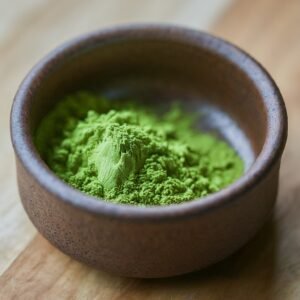
    Matcha, a finely ground powder of specially grown and processed green tea leaves, has captivated the world with its vibrant color, unique flavor, and numerous health benefits. Originating in Japan, matcha has become a global phenomenon, enjoyed in traditional tea ceremonies, culinary creations, and wellness routines. In this comprehensive guide, we will explore the history, types, health benefits, and various ways to enjoy matcha.

    History of Matcha

    Matcha’s history dates back over a thousand years to the Tang Dynasty in China, where tea leaves were steamed and formed into bricks for easy transport and trade. However, it was in Japan where matcha was refined and elevated to an art form. During the 12th century, a Zen Buddhist monk named Eisai brought matcha to Japan, where it became an integral part of the Japanese tea ceremony. The meticulous cultivation and preparation of matcha were developed over centuries, symbolizing mindfulness and the appreciation of the present moment.

    Types of Matcha

    Matcha is generally classified into two main grades: ceremonial and culinary. Each grade serves different purposes and offers unique flavor profiles.

    1. Ceremonial Grade: This is the highest quality matcha, used in traditional Japanese tea ceremonies. It is made from the youngest tea leaves, which are carefully ground into a fine powder. Ceremonial grade matcha has a vibrant green color, smooth texture, and a naturally sweet, delicate flavor.
    2. Culinary Grade: This grade is more affordable and versatile, suitable for cooking and baking. Culinary grade matcha has a slightly more bitter taste and is less delicate than ceremonial grade. It is commonly used in smoothies, lattes, desserts, and savory dishes.

    Health Benefits of Matcha

    Matcha is renowned for its impressive array of health benefits, making it a popular choice among health enthusiasts. Here are some key benefits:

    1. Rich in Antioxidants: Matcha is packed with catechins, particularly epigallocatechin gallate (EGCG), which are powerful antioxidants that help protect cells from damage and reduce inflammation.
    2. Boosts Metabolism: The combination of caffeine and catechins in matcha can help increase metabolic rate and promote fat burning, aiding in weight loss.
    3. Enhances Mental Clarity: Matcha contains L-theanine, an amino acid that promotes relaxation and enhances focus and concentration. The balanced combination of L-theanine and caffeine provides a calm, alert state of mind.
    4. Supports Detoxification: Matcha is grown in the shade, which increases chlorophyll production. Chlorophyll is known for its detoxifying properties, helping to cleanse the body of toxins and heavy metals.
    5. Improves Heart Health: Regular consumption of matcha can help lower bad cholesterol levels, reduce blood pressure, and improve overall heart health.

    How to Prepare Matcha

    Preparing matcha is a simple yet mindful process that can be both calming and enjoyable. Here’s a step-by-step guide to making a traditional bowl of matcha:

    1. Sift the Matcha: Using a fine mesh sieve, sift 1-2 teaspoons of matcha powder into a bowl to remove any clumps and ensure a smooth consistency.
    2. Add Water: Pour 2 ounces of hot water (about 175°F or 80°C) into the bowl. Be careful not to use boiling water, as it can make the matcha taste bitter.
    3. Whisk: Using a bamboo whisk (chasen), whisk the matcha and water in a zigzag motion until a frothy layer forms on the surface. This usually takes about 15-20 seconds.
    4. Enjoy: Sip the matcha directly from the bowl, savoring its rich flavor and creamy texture.

    Culinary Uses of Matcha

    Matcha’s vibrant color and unique flavor make it a versatile ingredient in various culinary creations. Here are some popular ways to enjoy matcha beyond the traditional tea bowl:

    1. Matcha Lattes: Mix matcha powder with steamed milk and a sweetener of your choice for a delicious and energizing latte. You can enjoy it hot or iced.
    2. Matcha Smoothies: Blend matcha powder with fruits, vegetables, yogurt, and a sweetener for a nutritious and refreshing smoothie.
    3. Matcha Desserts: Incorporate matcha into baked goods like cakes, cookies, and muffins for a delightful green tea twist. Matcha can also be used in ice cream, puddings, and truffles.
    4. Savory Dishes: Use matcha as a seasoning for savory dishes such as matcha salt for roasted vegetables, matcha noodles, or even matcha-infused sauces for meats and fish.

    Conclusion

    Matcha is a versatile and healthful addition to any diet, offering a unique combination of flavor, tradition, and wellness benefits. Whether you enjoy it in a traditional tea ceremony, a creamy latte, or a creative culinary dish, matcha provides a delightful and enriching experience. Its rich history, numerous health benefits, and diverse culinary applications make matcha a valuable and cherished part of any lifestyle.

  • The Elegance of White Tea: Benefits, Varieties, and Brewing Tips

    The Elegance of White Tea: Benefits, Varieties, and Brewing Tips

    The Elegance of White Tea: Benefits, Varieties, and Brewing Tips

    White tea, often regarded as the most delicate and refined of all tea types, is a true delight for tea connoisseurs. Made from the young leaves and buds of the Camellia sinensis plant, white tea undergoes minimal processing, preserving its natural antioxidants and subtle flavors. In this article, we will explore the history, types, health benefits, and brewing tips for white tea, ensuring you can fully appreciate this exquisite beverage.

    History of White Tea

    White tea has a rich history that traces back to ancient China, particularly during the Tang Dynasty (618-907 AD). It was initially reserved for royalty and high-ranking officials due to its rarity and the labor-intensive process required for its production. The delicate nature of white tea, coupled with its limited availability, made it a prized possession in the imperial courts. Today, white tea continues to be revered for its purity and sophistication.

    Varieties of White Tea

    White tea comes in several varieties, each with its unique characteristics and flavor profiles. Here are some of the most well-known types:

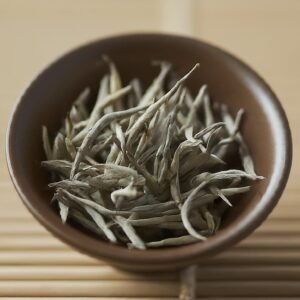
    1. Silver Needle (Bai Hao Yin Zhen): This premium white tea is made exclusively from the young buds of the tea plant. It has a sweet, delicate flavor with a hint of floral notes.
    2. White Peony (Bai Mu Dan): Comprising both buds and young leaves, White Peony offers a slightly stronger flavor than Silver Needle, with a fruity and floral aroma.
    3. Long Life Eyebrow (Shou Mei): Made from more mature leaves and buds, this tea has a richer, earthier flavor with a slight hint of sweetness.
    4. Tribute Eyebrow (Gong Mei): Similar to Shou Mei, Tribute Eyebrow is known for its robust flavor and is often more affordable than other white tea varieties.

    Health Benefits of White Tea

    White tea is celebrated not only for its delicate taste but also for its numerous health benefits. Here are some key advantages of including white tea in your diet:

    1. Rich in Antioxidants: White tea is packed with antioxidants, particularly catechins, which help combat free radicals and reduce the risk of chronic diseases.
    2. Supports Skin Health: The antioxidants in white tea can help protect the skin from damage caused by UV rays and reduce the signs of aging.
    3. Boosts Heart Health: Regular consumption of white tea can improve cardiovascular health by lowering blood pressure and reducing bad cholesterol levels.
    4. Aids in Weight Loss: White tea has been shown to boost metabolism and promote fat oxidation, making it an excellent addition to a weight loss regimen.
    5. Enhances Oral Health: The natural antibacterial properties of white tea can help prevent cavities, reduce plaque, and freshen breath.

    How to Brew the Perfect Cup of White Tea

    Brewing white tea requires a gentle touch to ensure its delicate flavors are fully appreciated. Here are some tips to help you brew the perfect cup:

    1. Water Temperature: White tea should be brewed with water that is around 160-185°F (70-85°C). Using boiling water can scorch the leaves and result in a bitter taste.
    2. Steeping Time: Steep white tea for 3-5 minutes. Adjust the time based on your taste preference; longer steeping will produce a stronger flavor.
    3. Tea-to-Water Ratio: Use about two teaspoons of white tea leaves per cup of water. Since white tea leaves are less dense, you may need a bit more tea than other types.
    4. Quality of Water: Use fresh, filtered water to ensure the best taste.
    5. Multiple Infusions: High-quality white tea leaves can be steeped multiple times. Increase the steeping time slightly with each subsequent infusion.

    Culinary Uses of White Tea

    White tea’s subtle flavor makes it a versatile ingredient in various culinary creations. Here are some creative ways to incorporate white tea into your diet:

    1. White Tea Smoothies: Blend brewed white tea with fruits, yogurt, and a sweetener for a refreshing and healthy smoothie.
    2. White Tea Sorbet: Use brewed white tea as a base for a light and refreshing sorbet, perfect for hot summer days.
    3. White Tea Marinade: Incorporate white tea into marinades for meats and seafood to add a delicate, floral note to your dishes.
    4. White Tea Salad Dressing: Mix brewed white tea with olive oil, vinegar, and seasonings for a unique and flavorful salad dressing.

    Conclusion

    White tea is a sophisticated and healthful beverage that offers a unique and delicate flavor profile. Its rich history, diverse varieties, numerous health benefits, and culinary versatility make it a valuable addition to any diet. Whether you are a seasoned tea drinker or new to the world of white tea, there is always something new to discover and enjoy about this remarkable beverage.

  • The Rich World of Black Tea: Benefits, Varieties, and Brewing Tips

    The Rich World of Black Tea: Benefits, Varieties, and Brewing Tips

    The Rich World of Black Tea: Benefits, Varieties, and Brewing Tips

    Black tea is one of the most popular beverages globally, renowned for its robust flavor and numerous health benefits. Originating from the Camellia sinensis plant, black tea undergoes a different processing method than green or white tea, resulting in its distinctive color and taste. In this article, we’ll delve into the history, types, health benefits, and brewing tips for black tea, ensuring you get the most out of this delightful drink.

    History of Black Tea

    Black tea has a storied history that dates back to ancient China. The first recorded use of black tea was during the Ming Dynasty (1368-1644), but it gained significant popularity during the Qing Dynasty (1644-1912). As European trade expanded, black tea became a highly sought-after commodity, particularly in Britain, where it evolved into a cultural staple with the tradition of afternoon tea.

    Varieties of Black Tea

    Black tea is incredibly diverse, with each variety offering a unique flavor profile and aroma. Here are some of the most popular types:

    1. Assam: Hailing from the Assam region in India, this tea is known for its strong, malty flavor. It is often used in breakfast blends.
    2. Darjeeling: Often referred to as the “Champagne of Teas,” Darjeeling offers a light, floral, and fruity flavor. It is grown in the Darjeeling region of India.
    3. Ceylon: Originating from Sri Lanka, Ceylon tea has a bright, citrusy flavor. It can be enjoyed black or with milk and sugar.
    4. Keemun: A Chinese black tea with a sweet, fruity flavor and a hint of smokiness. It is often used in English Breakfast blends.
    5. Earl Grey: A flavored black tea infused with oil of bergamot, giving it a distinctive citrus aroma and taste.

    Health Benefits of Black Tea

    Black tea is not only delicious but also offers numerous health benefits. Here are some key benefits:

    1. Antioxidant Properties: Black tea is rich in antioxidants, such as polyphenols and catechins, which help protect cells from damage and reduce the risk of chronic diseases.
    2. Heart Health: Regular consumption of black tea is linked to improved heart health by reducing bad cholesterol levels and improving blood vessel function.
    3. Boosts Mental Alertness: The caffeine in black tea can enhance mental alertness and concentration, making it a great choice for a morning or afternoon pick-me-up.
    4. Supports Digestive Health: Black tea has been shown to promote healthy digestion and reduce the risk of gastrointestinal disorders.
    5. Reduces Stress: The amino acid L-theanine in black tea can promote relaxation and reduce stress levels.

    How to Brew the Perfect Cup of Black Tea

    Brewing black tea correctly ensures that you enjoy its full flavor and health benefits. Here are some essential tips for brewing the perfect cup:

    1. Water Temperature: Black tea should be brewed with boiling water, around 200-212°F (93-100°C).
    2. Steeping Time: Steep black tea for 3-5 minutes. Adjust the time according to your taste preference; longer steeping results in a stronger flavor.
    3. Tea-to-Water Ratio: Use one teaspoon of black tea leaves per cup of water. For stronger tea, use more leaves rather than increasing steeping time.
    4. Quality of Water: Always use fresh, filtered water for the best flavor.
    5. Enhancements: Black tea can be enjoyed plain or with milk, sugar, honey, or lemon. Experiment to find your preferred combination.

    Culinary Uses of Black Tea

    Black tea’s rich flavor makes it a versatile ingredient in the kitchen. Here are some creative ways to use black tea in your cooking and baking:

    1. Tea-Infused Desserts: Use black tea to infuse flavor into cakes, cookies, and ice creams. Earl Grey shortbread cookies are a popular treat.
    2. Savory Dishes: Black tea can be used in marinades for meats or as a flavoring in soups and stews. Try using Lapsang Souchong for a smoky flavor.
    3. Beverages: Beyond hot tea, black tea can be used to make iced tea, tea lattes, and cocktails. A classic Long Island Iced Tea incorporates black tea for its base.

    Conclusion

    Black tea is a timeless beverage enjoyed by millions around the world. Its rich history, diverse varieties, numerous health benefits, and culinary versatility make it a valuable addition to any diet. Whether you prefer a strong cup of Assam in the morning or a delicate Darjeeling in the afternoon, black tea offers something for everyone.

  • The Wonders of Green Tea: Health Benefits, Types, and Brewing Tips

    The Wonders of Green Tea: Health Benefits, Types, and Brewing Tips

    The Wonders of Green Tea: Health Benefits, Types, and Brewing Tips

    Green tea has been cherished for centuries, originating in China and widely used across Asia. Its popularity has surged globally due to its numerous health benefits and refreshing taste. In this comprehensive guide, we will explore the history, types, health benefits, and brewing tips for green tea, ensuring you get the most out of this wonderful beverage.

    History of Green Tea

    Green tea’s history dates back over 5,000 years to ancient China. Legend has it that Emperor Shen Nong discovered tea when leaves from a wild tea tree blew into his boiling pot of water. Intrigued by the pleasant aroma, he drank the infusion and found it refreshing and invigorating. Since then, green tea has become an integral part of Asian culture and has spread worldwide.

    Types of Green Tea

    There are several types of green tea, each with its unique flavor profile and health benefits. Here are some of the most popular varieties:

    1. Sencha: The most common green tea in Japan, Sencha has a bright, grassy flavor and is enjoyed daily by many.
    2. Matcha: A powdered green tea used in traditional Japanese tea ceremonies. It has a rich, umami flavor and is packed with antioxidants.
    3. Gyokuro: This premium Japanese green tea is grown in the shade, resulting in a sweet, delicate flavor.
    4. Dragon Well (Longjing): A Chinese green tea known for its flat leaves and mellow, nutty taste.
    5. Gunpowder: Named for its pellet-like shape, this Chinese tea has a bold, smoky flavor.

    Health Benefits of Green Tea

    Green tea is renowned for its numerous health benefits, which include:

    1. Rich in Antioxidants: Green tea contains polyphenols, particularly catechins, which are powerful antioxidants. These help protect cells from damage and reduce inflammation.
    2. Boosts Metabolism: The catechins and caffeine in green tea can help increase metabolic rate and promote fat burning, aiding in weight loss.
    3. Improves Brain Function: The combination of caffeine and L-theanine in green tea can enhance brain function, improving focus, memory, and mood.
    4. Reduces Risk of Chronic Diseases: Regular consumption of green tea is linked to a lower risk of cardiovascular diseases, certain cancers, and type 2 diabetes.
    5. Supports Oral Health: Green tea has natural antibacterial properties that can help reduce the risk of dental cavities and bad breath.

    How to Brew the Perfect Cup of Green Tea

    Brewing green tea correctly is essential to enjoy its full flavor and health benefits. Here are some tips to help you brew the perfect cup:

    1. Water Temperature: Green tea is best brewed with water between 160-180°F (70-80°C). Boiling water can scorch the leaves, resulting in a bitter taste.
    2. Steeping Time: Steep green tea for 2-3 minutes. Over-steeping can also lead to bitterness.
    3. Tea-to-Water Ratio: Use about one teaspoon of green tea leaves per cup of water.
    4. Quality of Water: Use fresh, filtered water to ensure the best taste.
    5. Multiple Infusions: High-quality green tea leaves can be steeped multiple times. Increase the steeping time slightly with each subsequent infusion.

    Culinary Uses of Green Tea

    Green tea is not just for drinking; it can also be used in various culinary applications. Here are some creative ways to incorporate green tea into your diet:

    1. Matcha Smoothies: Blend matcha powder with fruits, yogurt, and a sweetener for a refreshing and healthy smoothie.
    2. Green Tea Ice Cream: Enjoy the unique flavor of green tea in a creamy, delicious ice cream.
    3. Green Tea Noodles: Add powdered green tea to homemade noodle dough for a subtle tea flavor and added health benefits.
    4. Green Tea Salad Dressing: Mix brewed green tea with olive oil, vinegar, and seasonings for a light and flavorful dressing.

    Conclusion

    Green tea is a versatile and beneficial beverage that has stood the test of time. Its rich history, diverse types, numerous health benefits, and culinary versatility make it a valuable addition to any diet. Whether you are a seasoned tea drinker or new to the world of green tea, there is always something new to discover and enjoy about this remarkable beverage.