


Exploring Tea Plantations in Japan: A Journey Through Tradition and Craft
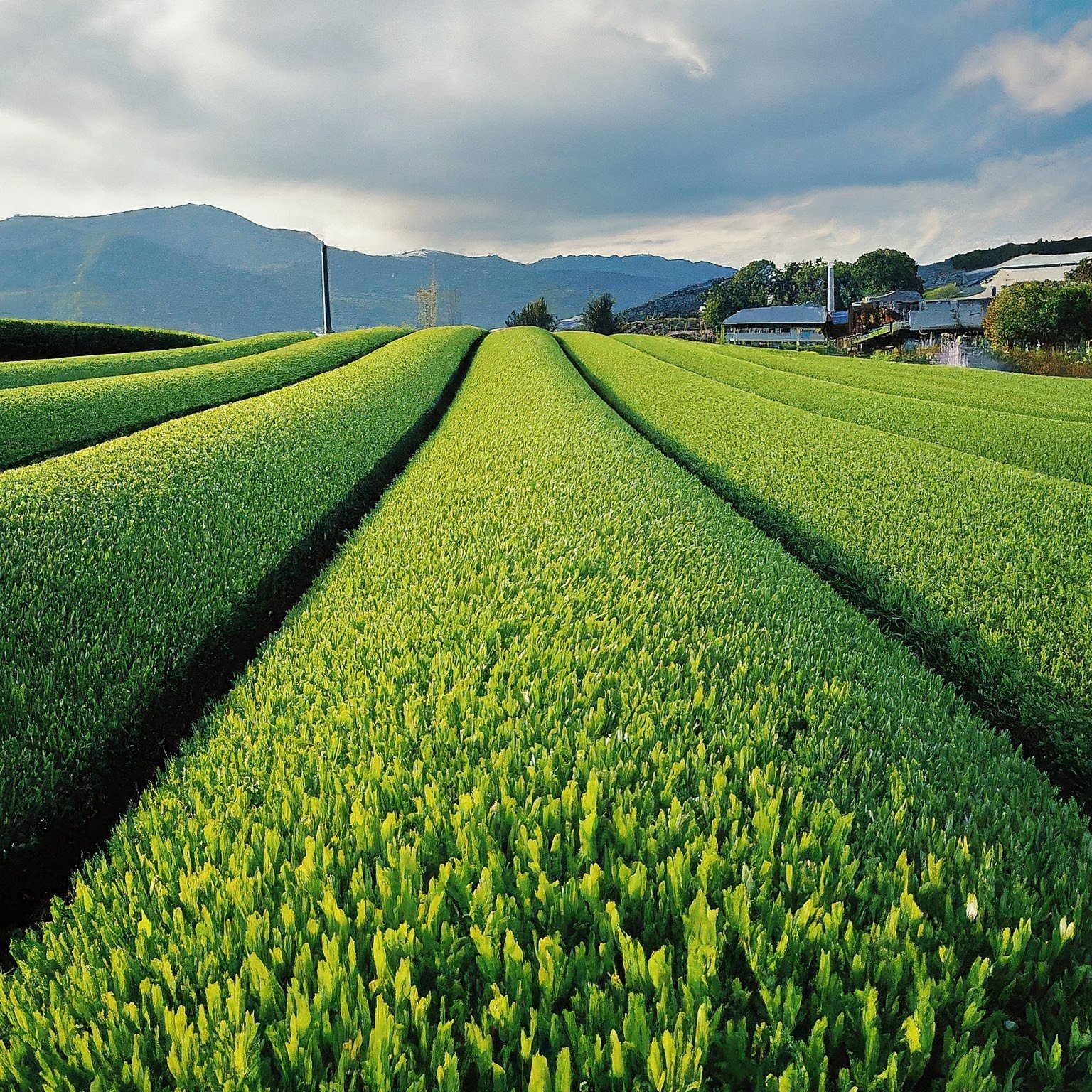
Japan’s tea plantations are more than just fields of greenery; they are a testament to centuries of tradition, meticulous craftsmanship, and a deep cultural heritage. From the lush fields of Shizuoka to the renowned plantations of Uji, Japan’s tea-growing regions offer a rich tapestry of history and exquisite flavors. In this article, we will delve into the history, regions, cultivation methods, and significance of tea plantations in Japan, providing a comprehensive guide to this vital aspect of Japanese culture.
History of Tea in Japan
Tea was first introduced to Japan from China in the early 9th century by Buddhist monks. The cultivation and consumption of tea were initially limited to the nobility and religious ceremonies. However, during the Kamakura period (1185-1333), tea cultivation began to spread more widely, thanks in part to the efforts of the monk Eisai, who promoted tea for its health benefits.
By the 16th century, the Japanese tea ceremony, or Chanoyu, had been established, largely influenced by tea master Sen no Rikyu. This period also saw the development of various tea-growing regions, each producing unique and high-quality teas.
Major Tea-Growing Regions in Japan
Japan’s diverse climate and geography allow for the cultivation of various types of tea, each with distinct characteristics. Here are some of the most prominent tea-growing regions:
- Shizuoka Prefecture: Located on the Pacific coast, Shizuoka is Japan’s largest tea-producing region, accounting for about 40% of the country’s tea. The region’s mild climate and well-drained soil are ideal for tea cultivation. Shizuoka is known for producing a wide range of teas, including Sencha, Fukamushi Sencha, and Matcha.
- Uji, Kyoto Prefecture: Uji is one of the oldest and most famous tea-growing regions in Japan. It is renowned for its high-quality Matcha and Gyokuro teas. The region’s rich history in tea cultivation dates back to the 12th century, and Uji tea is often associated with the Japanese tea ceremony.
- Kagoshima Prefecture: Located in the southern part of Japan, Kagoshima has a warm climate that supports year-round tea cultivation. The region is known for producing deep-steamed Sencha (Fukamushi Sencha) and Kabusecha. Kagoshima’s teas are recognized for their rich flavor and deep green color.
- Shiga Prefecture: This region is known for producing high-quality tea leaves used in the production of Tencha, which is ground into Matcha. Shiga’s unique climate and soil conditions contribute to the distinctive flavor of its teas.
Cultivation Methods
Japanese tea cultivation is characterized by meticulous care and traditional methods that have been refined over centuries. Key cultivation practices include:
- Shading: For certain types of tea, such as Gyokuro and Matcha, tea plants are shaded from direct sunlight for about three weeks before harvest. This process increases chlorophyll production, resulting in a vibrant green color and a higher concentration of amino acids, which enhance the tea’s sweetness and umami flavor.
- Hand-Picking: High-quality Japanese teas are often hand-picked to ensure that only the youngest and most tender leaves are harvested. This labor-intensive process helps maintain the quality and flavor of the tea.
- Steaming: After harvesting, the tea leaves are quickly steamed to prevent oxidation. This method preserves the leaves’ green color and fresh flavor, distinguishing Japanese green teas from Chinese green teas, which are typically pan-fired.
- Rolling and Drying: The steamed leaves are rolled and shaped to release their natural oils and enhance their flavor. The leaves are then dried to reduce moisture content and prepare them for storage and packaging.
Significance of Japanese Tea Plantations
Japanese tea plantations are not just agricultural sites; they are cultural landmarks that embody the essence of Japanese tradition and hospitality. Tea is deeply woven into the fabric of Japanese society, from daily consumption to elaborate tea ceremonies. The significance of these plantations extends beyond the production of tea leaves to include:
- Cultural Heritage: Tea plantations preserve traditional cultivation methods and practices that have been passed down through generations. They are living museums that showcase the artistry and craftsmanship involved in tea production.
- Economic Importance: Tea is a vital agricultural product for Japan, providing livelihoods for thousands of farmers and contributing significantly to the country’s economy. Regions like Shizuoka and Uji are economically reliant on tea cultivation and tourism.
- Tourism and Education: Tea plantations attract tourists and tea enthusiasts from around the world. Visitors can tour the fields, participate in tea-picking activities, and learn about the tea-making process. These experiences foster a deeper appreciation for Japanese tea culture and its global influence.
Visiting Japanese Tea Plantations
For those interested in experiencing Japanese tea culture firsthand, visiting a tea plantation is a must. Many plantations offer guided tours, tea tastings, and hands-on experiences such as tea picking and tea ceremony demonstrations. Some notable places to visit include:
- Obubu Tea Farm in Wazuka, Kyoto: Known for its educational tours and immersive experiences, Obubu Tea Farm allows visitors to explore the tea fields and learn about the entire tea-making process.
- Tea Museum in Shizuoka: This museum offers insights into the history and cultivation of tea in Shizuoka. Visitors can participate in tea ceremonies and taste various types of Shizuoka tea.
- Marukyu-Koyamaen in Uji: A prestigious tea producer, Marukyu-Koyamaen offers tours that include a visit to their tea fields and a Matcha-making workshop.
Conclusion
Japanese tea plantations are a blend of nature, tradition, and meticulous craftsmanship. They are the heart of Japan’s tea culture, producing some of the finest teas in the world. Whether you’re a tea connoisseur or a curious traveler, exploring these plantations offers a unique opportunity to connect with Japan’s rich cultural heritage and appreciate the intricate process that goes into every cup of tea.