


Top Mistakes Beginners Make in Organic Gardening (And How to Fix Them)
Introduction
Top mistakes beginners make in organic gardening (and how to fix them) is something every new gardener should understand before starting. Organic gardening is simple and rewarding, but many beginners make small mistakes that can slow down plant growth or reduce results.
The good news is that these mistakes are easy to fix. With a few smart changes, you can grow healthy plants naturally and enjoy a successful organic garden.
Not Preparing the Soil Properly
Healthy soil is the foundation of organic gardening. Many beginners plant directly into poor soil without improving it first.
How to Fix It
Always enrich your soil before planting. Add compost, organic matter, or natural fertilizer. This helps your plants grow stronger and healthier.
Good soil holds water better and provides the nutrients your plants need.
Choosing the Wrong Plants
A common beginner mistake is choosing plants that do not match the local climate or season.
How to Fix It
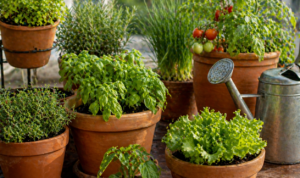
Start with easy plants like:
- Lettuce
- Spinach
- Tomatoes
- Basil
Choose plants that grow well in your area. Local plants are more resistant to pests and easier to maintain.
Overwatering or Underwatering Plants
Watering mistakes are very common in organic gardening. Too much water can cause root rot, while too little can stop plant growth.
How to Fix It
- Water early in the morning
- Keep the soil moist, not soaked
- Check the soil before watering
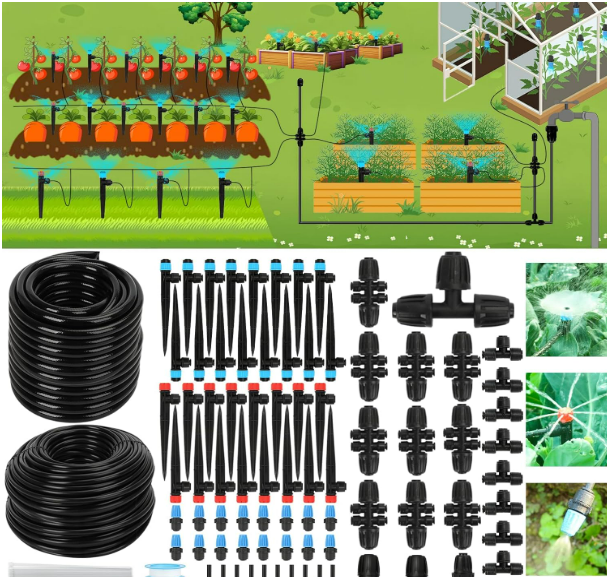
Using simple watering methods like drip irrigation can help keep plants healthy.
Ignoring Natural Pest Control
Many beginners panic when they see pests and think they need chemicals. This goes against organic gardening principles.
How to Fix It
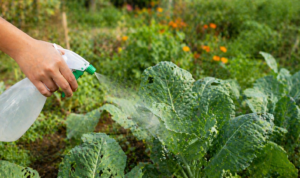
Use natural pest control methods:
- Plant marigolds to repel insects
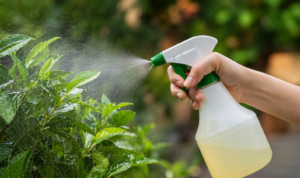
- Use neem oil spray
- Encourage beneficial insects like ladybugs
These methods protect your garden without harming the environment.
🌿 Helpful Tools for Beginner Gardeners
Using the right tools can make organic gardening easier and more enjoyable.
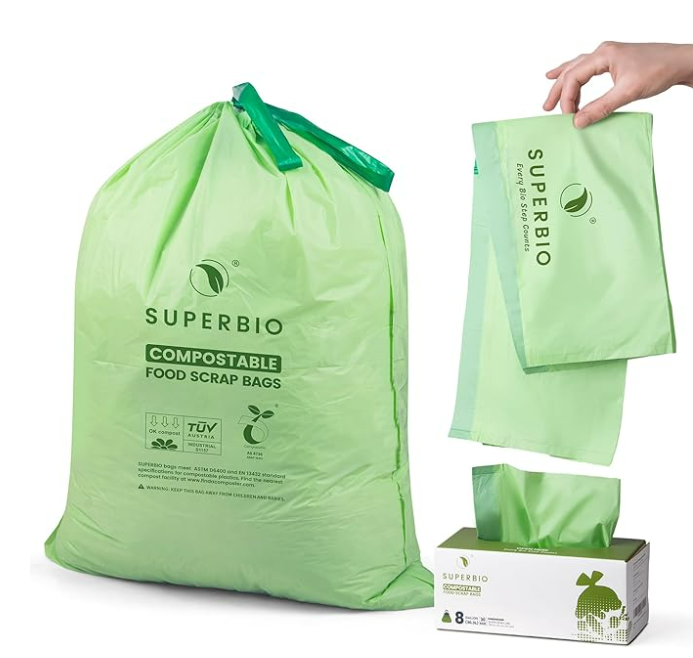
- Compost bin — helps turn kitchen waste into rich organic fertilizer
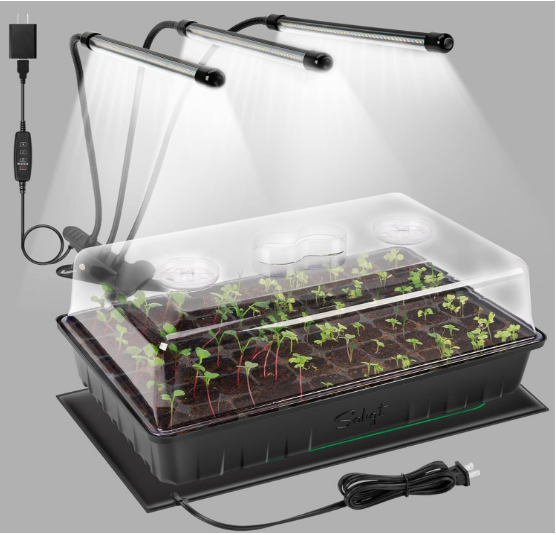
- Seed starter kit — makes it easy to grow plants from seeds at home
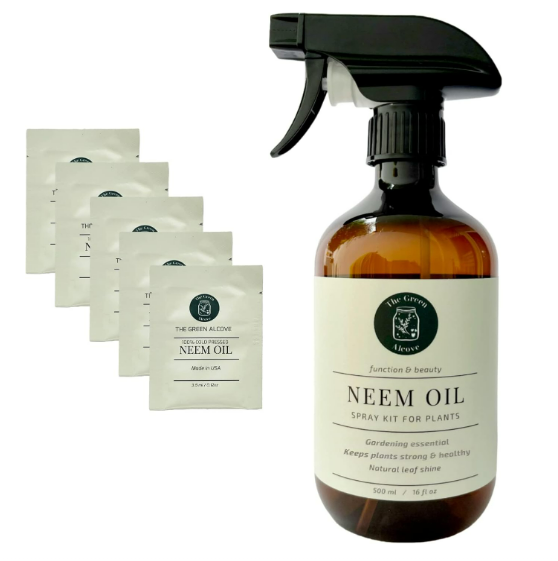
- Neem oil spray — controls pests safely without chemicals
- Drip irrigation kit — saves water and keeps plants consistently hydrated
These tools can simplify your gardening process and help you avoid common mistakes.
Compost Bin | Seed Starter Kit | Neem Oil Spray | Drip Irrigation Kit |
| 
| 
| 
|
SUPERBIO 8-gallon compostable bags are strong, tear-resistant, and officially certified for industrial composting—making them a practical and eco-friendly choice. | This all-in-one seed starter kit with grow lights and heat mat makes it easy to grow strong, healthy plants indoors with fast and reliable germination. | This neem oil spray kit makes up to five 16 oz bottles of 100% pure cold-pressed solution—an easy, natural way to protect and care for your indoor and outdoor plants. | This 250FT drip irrigation kit delivers precise, customizable watering to your entire garden while saving up to 80% more water with easy, no-dig installation. |
Planting Too Close Together
It can be tempting to plant many crops in a small space, but overcrowding can harm plant growth.
How to Fix It
Give each plant enough space to grow. Proper spacing improves air flow and reduces the risk of disease.
Check seed instructions for the correct spacing before planting.
Skipping Mulching
Many beginners ignore mulching, even though it is very important in organic gardening.
How to Fix It
Add mulch like:
- Dry leaves
- Straw
- Grass clippings
Mulch helps keep soil moist, prevents weeds, and improves soil quality over time.
Expecting Fast Results
Organic gardening takes time. Beginners often feel discouraged when plants do not grow quickly.
How to Fix It
Be patient and consistent. Organic methods focus on long-term results, not quick fixes.
Each season will bring better results as your soil improves.
Not Learning from Experience
Some beginners repeat the same mistakes because they do not reflect on what went wrong.
How to Fix It
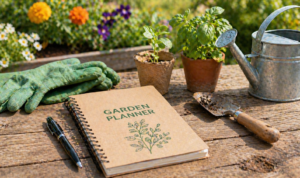
Take notes and observe your garden:
- Which plants grow well
- What problems appear
- What solutions work
Learning from experience is one of the best ways to improve your gardening skills.
Conclusion
Organic gardening for beginners is a learning process, and making mistakes is part of the journey. The most important thing is to understand the top mistakes beginners make in organic gardening and how to fix them.
By improving your soil, choosing the right plants, watering properly, and using natural methods, you can grow a healthy and productive garden.
Start small, stay patient, and enjoy every step. Over time, your organic garden will become stronger, more balanced, and more rewarding. 🌱