


Organic Gardening for Beginners: Simple Steps to Start Growing Naturally
Introduction
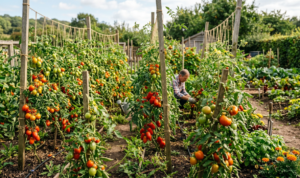
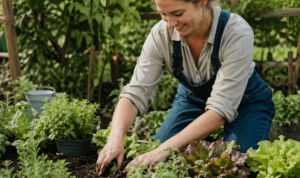
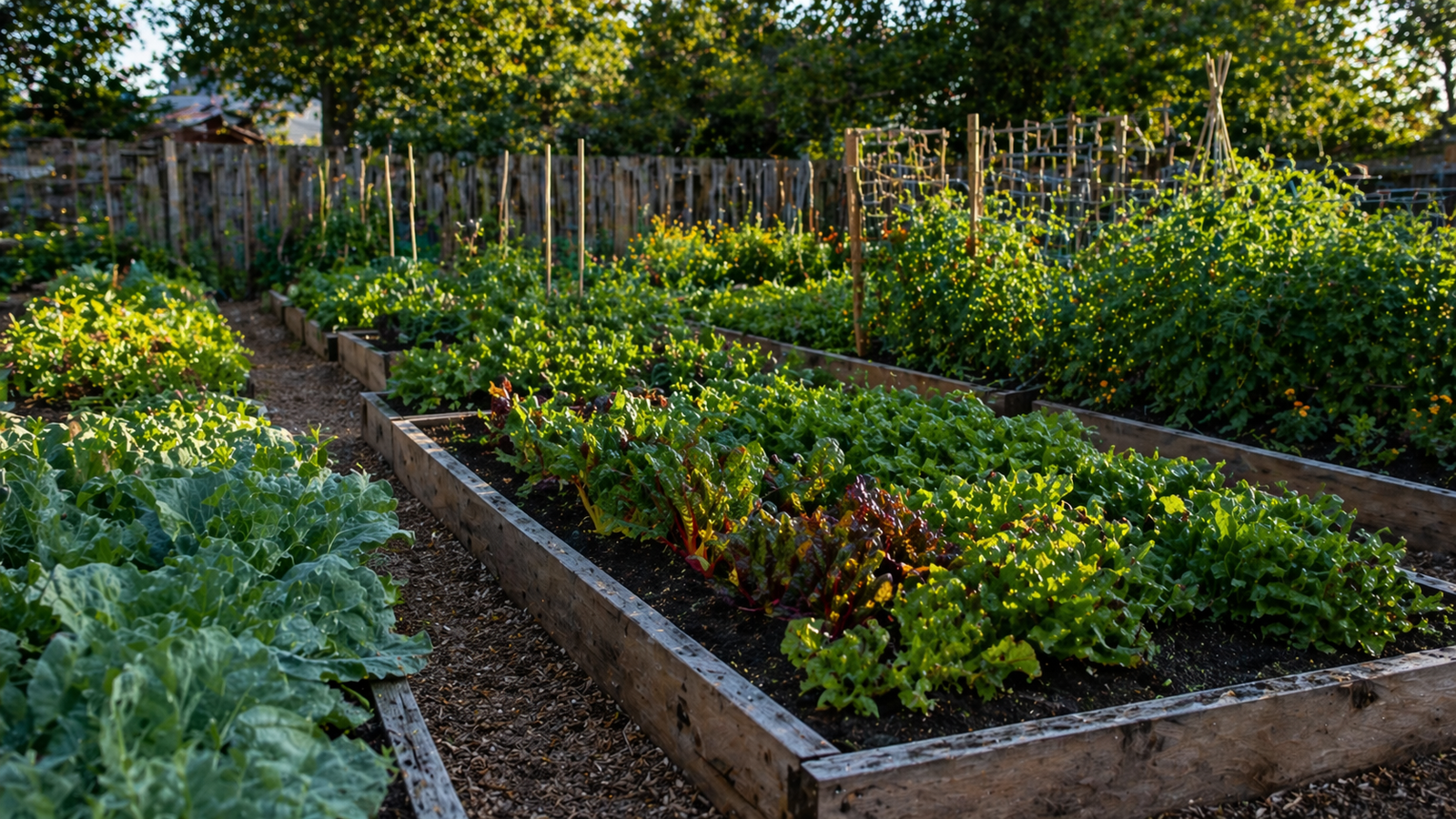
Organic gardening for beginners is a great way to grow your own food in a natural and healthy way. Many people are now choosing organic gardening because it avoids harmful chemicals and supports a cleaner environment. It may seem difficult at first, but with the right steps, anyone can start an organic garden at home.
In this guide, you will learn simple and practical tips to help you begin your organic gardening journey with confidence.
What Is Organic Gardening?
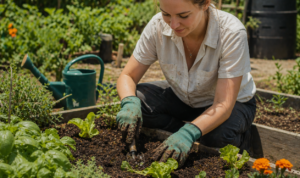
Organic gardening means growing plants without using synthetic chemicals like artificial fertilizers or pesticides. Instead, you use natural materials such as compost, manure, and organic sprays.
The main goal is to create a balanced ecosystem where plants, soil, and helpful insects work together. This helps your garden stay healthy in a natural way.
Step 1: Choose the Right Location
The first step in organic gardening is choosing a good place for your plants. Most vegetables and herbs need at least 6–8 hours of sunlight every day.
Make sure the area:
- Gets enough sunlight
- Has good drainage
- Is easy to access for watering and care
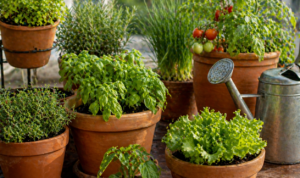
If you don’t have a large yard, you can still start with pots, containers, or a small balcony garden.
Step 2: Prepare Healthy Soil
Healthy soil is the foundation of organic gardening. Good soil helps plants grow strong and resist diseases.
You can improve your soil by adding:
- Compost
- Animal manure
- Organic matter like dry leaves
Compost is one of the best natural fertilizers. It improves soil structure, keeps moisture, and adds nutrients.
🛒 Useful Tools for Beginner Organic Gardeners
Starting organic gardening becomes easier when you have the right tools.
Here are some helpful items:
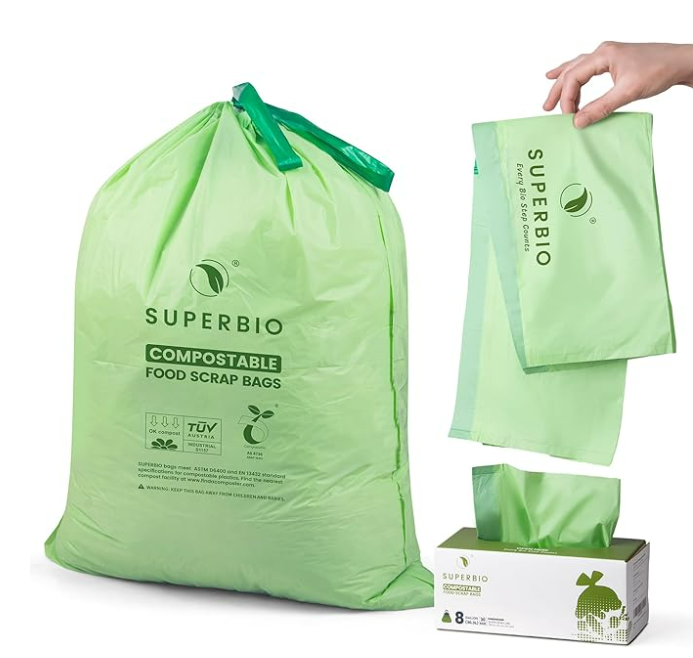
- Compost Bin
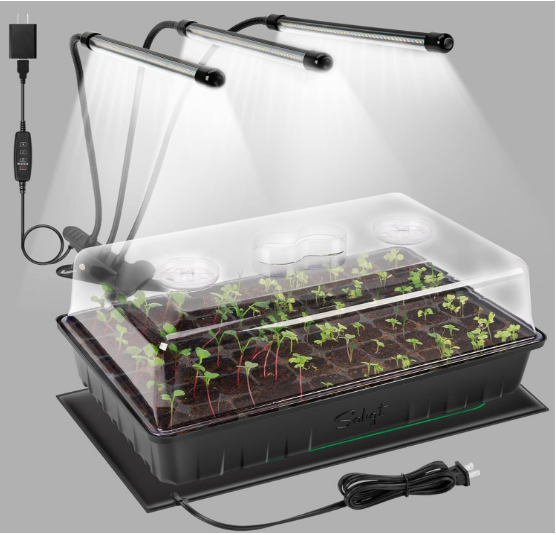
Helps you turn kitchen waste into natural fertilizer quickly and easily. - Seed Starter Kit
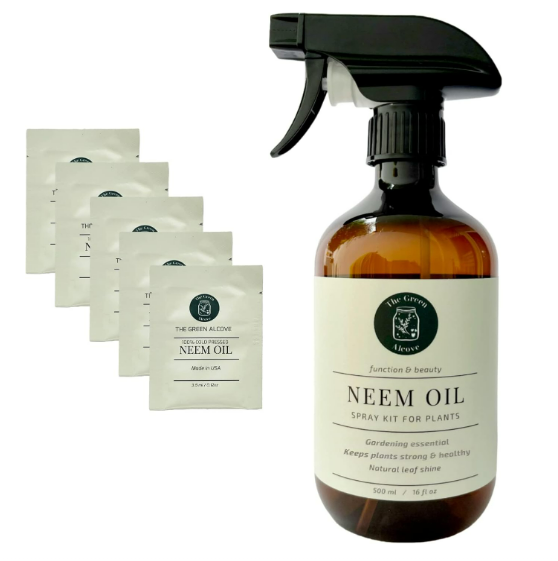
Perfect for beginners who want to grow plants from seeds in a simple way. - Neem Oil Spray
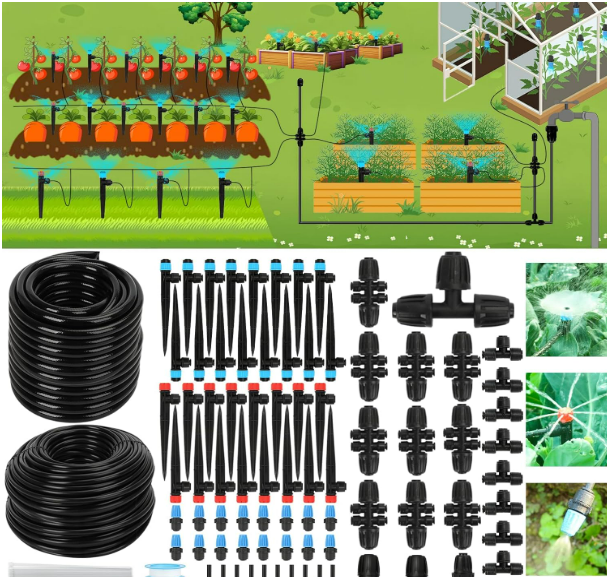
A natural pest control solution that protects plants without harmful chemicals. - Drip Irrigation Kit
Saves water and delivers it directly to plant roots for better growth.
These tools can make your gardening process smoother and more efficient.
Compost Bin | Organic Seed Starter Kit | Neem Oil Spray | Drip Irrigation Kit |
| 
| 
| 
|
SUPERBIO 8-gallon compostable bags are strong, tear-resistant, and officially certified for industrial composting—making them a practical and eco-friendly choice. | This all-in-one seed starter kit with grow lights and heat mat makes it easy to grow strong, healthy plants indoors with fast and reliable germination. | This neem oil spray kit makes up to five 16 oz bottles of 100% pure cold-pressed solution—an easy, natural way to protect and care for your indoor and outdoor plants. | This 250FT drip irrigation kit delivers precise, customizable watering to your entire garden while saving up to 80% more water with easy, no-dig installation. |
Step 3: Choose Easy Plants to Grow
As a beginner, it is best to start with plants that are easy to grow. Some good options include:
- Lettuce
- Spinach
- Tomatoes
- Chili
- Basil
Choose plants that match your local climate. Local plants are usually stronger and need less care.
Step 4: Water Your Plants Properly
Watering is very important in organic gardening. Too much water can damage plants, while too little can stop growth.
Here are simple tips:
- Water early in the morning or late afternoon
- Keep the soil moist, not too wet
- Focus on watering the roots, not the leaves
Using drip irrigation can help save water and keep plants healthy.
Step 5: Control Pests Naturally
In organic gardening, you should avoid chemical pesticides. Instead, use natural methods to control pests.
Some easy ways include:
- Companion Planting
Plant flowers like marigolds to repel pests. - Beneficial Insects
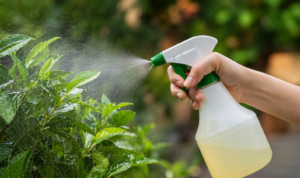
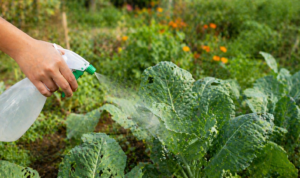
Ladybugs and other insects can eat harmful pests. - Natural Sprays
Use neem oil or homemade sprays from garlic and chili. - Physical Barriers
Use nets or covers to protect plants.
These methods help keep your garden safe and balanced.
Step 6: Use Mulch to Protect Soil
Mulching is a simple but powerful technique. You can use:
- Straw
- Dry leaves
- Grass clippings
Mulch helps:
- Keep soil moist
- Reduce weeds
- Maintain soil temperature
It also adds nutrients to the soil as it breaks down.
Step 7: Be Patient and Keep Learning
Organic gardening takes time. Plants grow naturally, so results may not be instant. But the benefits are worth it.
You can improve by:
- Reading gardening guides
- Watching tutorials
- Trying new techniques
Every season will teach you something new.
Conclusion
Organic gardening for beginners is simple if you start step by step. By choosing the right location, preparing healthy soil, selecting easy plants, and using natural methods, you can grow a successful garden at home.
It is not just about growing plants—it is about creating a healthier lifestyle and helping the environment. Start small, enjoy the process, and watch your garden grow naturally. 🌱