Author: Ste Magazine

  • The History of Tea: From Ancient Traditions to Modern Times

    The History of Tea: From Ancient Traditions to Modern Times

    The History of Tea: From Ancient Traditions to Modern Times

    https://www.youtube.com/watch?v=5nUdKYef-AQ

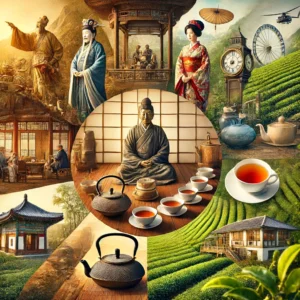
    Tea, a beloved beverage worldwide, has a rich and fascinating history that spans centuries and continents. Originating in ancient China, tea has evolved through various cultures, each adding its unique touch to the tradition. This article delves into the captivating journey of tea, exploring its origins, cultural significance, and modern-day popularity.

    The Origins of Tea

    The story of tea begins in ancient China. According to legend, in 2737 BC, Emperor Shen Nong discovered tea when leaves from a wild tree blew into his pot of boiling water. Intrigued by the pleasant aroma, he tasted the brew and found it refreshing. This serendipitous event marked the beginning of tea as a beverage.

    Initially, tea was consumed for its medicinal properties. The Chinese believed it had the power to detoxify the body and improve health. By the Tang Dynasty (618-907 AD), tea had become a popular drink in Chinese society, leading to the establishment of tea culture, which included specific brewing techniques and ceremonial practices.

    Tea Spreads to Japan

    Tea made its way to Japan in the early 9th century, thanks to Buddhist monks who traveled to China. These monks brought back tea seeds and the tradition of tea drinking. The Japanese embraced tea, integrating it into their culture and rituals.

    The Japanese tea ceremony, known as Chanoyu or the Way of Tea, developed in the 15th century under the influence of Zen Buddhism. This highly ritualized practice emphasizes harmony, respect, purity, and tranquility, and remains a significant cultural practice in Japan today.

    Tea in the Middle East and India

    Tea reached the Middle East and India through trade routes established by merchants and explorers. In India, tea plants were discovered growing wild in the northeastern region of Assam in the early 19th century. The British East India Company saw an opportunity and began cultivating tea on a large scale to break China’s monopoly on tea.

    By the mid-19th century, India became a major tea producer, with Assam and Darjeeling teas gaining international fame. The introduction of the tea plantation system transformed the Indian economy and played a crucial role in popularizing tea in the British Empire and beyond.

    The Arrival of Tea in Europe

    Tea first arrived in Europe in the 16th century through Portuguese and Dutch traders. It quickly gained popularity, particularly in Britain. Initially, tea was a luxury item, consumed primarily by the wealthy. However, by the 18th century, tea had become a common household beverage.

    The British East India Company played a pivotal role in the widespread adoption of tea in Britain. They imported vast quantities of tea from China and later from India. The British developed their own tea-drinking traditions, such as afternoon tea, which became a social institution.

    Tea in the Modern Era

    Today, tea is one of the most consumed beverages globally. It comes in various forms, including black, green, oolong, white, and herbal teas, each with its unique flavor profile and health benefits. The modern tea industry has seen innovations such as flavored teas, iced teas, and ready-to-drink bottled teas, catering to diverse tastes and preferences.

    The cultural significance of tea remains strong. In China and Japan, traditional tea ceremonies continue to be practiced, while in Britain, afternoon tea is still a cherished custom. Tea houses and tea rooms have sprung up worldwide, offering a space for people to enjoy this timeless beverage.

    The Health Benefits of Tea

    Apart from its cultural and historical significance, tea is renowned for its health benefits. Rich in antioxidants, tea can help reduce the risk of chronic diseases, improve heart health, aid in weight management, and enhance mental alertness. Green tea, in particular, is praised for its high concentration of catechins, which are powerful antioxidants.

    Herbal teas, such as chamomile, peppermint, and ginger tea, are also popular for their soothing and medicinal properties. These caffeine-free options offer a variety of health benefits, from aiding digestion to promoting relaxation and sleep.

    Conclusion

    The history of tea is a testament to its enduring appeal and cultural significance. From its ancient origins in China to its global popularity today, tea has transcended borders and generations, bringing people together over a simple, yet profound, cup of brew. Whether enjoyed in a traditional ceremony or as a refreshing iced beverage, tea continues to be a beloved part of our daily lives.

  • Matcha Recipe

    Matcha Recipe

    Matcha Recipe

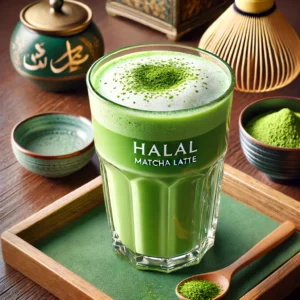
    Matcha: While not a dish, matcha is finely ground powdered green tea that has gained popularity worldwide. It is used in various culinary applications, from traditional tea ceremonies to modern desserts like matcha ice cream, cakes, and lattes. The following is the halal Matcha Recipe.

    Ingredients:

    • 1 teaspoon matcha powder (ensure halal certification)
    • 2 teaspoons hot water
    • 1 cup milk (or dairy-free alternative)
    • 1 tablespoon honey or sugar (optional)

    Instructions:

    1. Sift the matcha powder into a bowl to remove any lumps.
    2. Add the hot water and whisk vigorously until the matcha is fully dissolved and frothy.
    3. Heat the milk in a small saucepan or microwave until hot but not boiling.
    4. Pour the hot milk into a mug, then add the dissolved matcha.
    5. Sweeten with honey or sugar if desired, and stir well.
    6. Serve hot.
  • Teriyaki Recipe

    Teriyaki Recipe

    Teriyaki Recipe

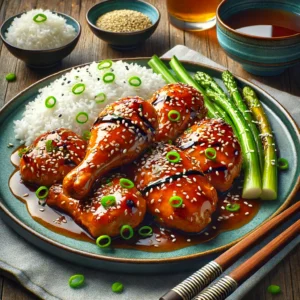
    Teriyaki: A cooking technique and flavor profile, teriyaki refers to foods grilled or broiled with a glaze of soy sauce, sake or mirin, and sugar. Teriyaki chicken, beef, and salmon are particularly popular in many countries. The following is the halal Teriyaki Recipe.

    Ingredients:

    • 4 boneless, skinless chicken thighs or breasts (ensure halal certification)
    • 1/2 cup soy sauce (ensure halal certification)
    • 1/4 cup mirin (ensure halal certification or substitute with equal parts sugar and water)
    • 2 tablespoons honey
    • 2 cloves garlic, minced
    • 1-inch piece of ginger, grated
    • 1 tablespoon cornstarch
    • 1 tablespoon water
    • Sesame seeds and chopped green onions for garnish

    Instructions:

    1. In a bowl, mix the soy sauce, mirin, honey, garlic, and ginger.
    2. Place the chicken in a resealable bag and pour the marinade over it. Marinate for at least 30 minutes.
    3. Preheat a grill or skillet over medium-high heat. Cook the chicken until fully cooked, about 6-7 minutes per side.
    4. While the chicken cooks, pour the marinade into a small saucepan. Bring to a boil, then reduce to a simmer.
    5. Mix the cornstarch and water to make a slurry, then add it to the sauce. Stir until thickened.
    6. Brush the thickened sauce over the cooked chicken, then garnish with sesame seeds and green onions.
    7. Serve with steamed rice and vegetables.
  • Tempura Recipe

    Tempura Recipe

    Tempura Recipe

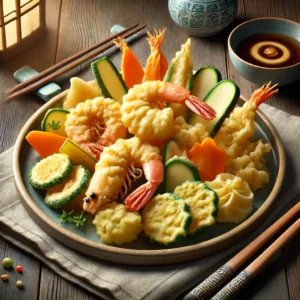
    Tempura: This dish involves seafood or vegetables that have been battered and deep-fried. Tempura is known for its light, crispy texture and is commonly served with a dipping sauce called tentsuyu or alongside a bowl of rice or noodles. The following is the halal Tempura Recipe.

    Ingredients:

    • 1 cup all-purpose flour
    • 1 egg
    • 1 cup cold water
    • Halal-certified seafood (e.g., shrimp, fish)
    • Vegetables (e.g., sweet potatoes, bell peppers, zucchini)
    • Vegetable oil for frying
    • Tentsuyu dipping sauce (ensure halal certification)

    Instructions:

    1. In a bowl, beat the egg and mix in the cold water. Gradually add the flour, mixing lightly; the batter should be lumpy.
    2. Heat the vegetable oil in a deep fryer or large pot to 350°F (175°C).
    3. Dip the seafood and vegetables into the batter, then carefully place them in the hot oil.
    4. Fry until golden brown and crispy, about 2-3 minutes. Drain on paper towels.
    5. Serve hot with tentsuyu dipping sauce.
  • Ramen Recipe

    Ramen Recipe

    Ramen Recipe

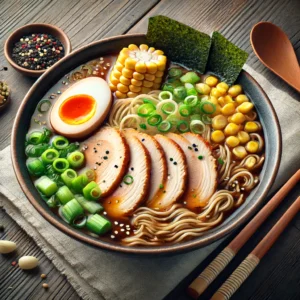
    Ramen: This Japanese noodle soup has captivated food lovers worldwide. Ramen consists of Chinese-style wheat noodles served in a meat or fish-based broth, often flavored with soy sauce or miso, and topped with ingredients like sliced pork, nori, menma, and scallions. The following is the halal Ramen Recipe.

    Ingredients:

    • 4 cups chicken broth (ensure halal certification)
    • 1 cup water
    • 2 cloves garlic, minced
    • 1-inch piece of ginger, grated
    • 2 tablespoons soy sauce (ensure halal certification)
    • 1 tablespoon miso paste (optional)
    • 200g ramen noodles
    • Halal chicken breast or thigh, sliced
    • Soft-boiled eggs (optional)
    • Toppings: sliced green onions, nori sheets, corn, spinach, mushrooms

    Instructions:

    1. In a large pot, combine the chicken broth, water, garlic, ginger, soy sauce, and miso paste. Bring to a simmer.
    2. Add the sliced chicken to the broth and cook until tender, about 10 minutes.
    3. Cook the ramen noodles according to package instructions, then drain.
    4. Divide the cooked noodles among bowls and pour the hot broth over them.
    5. Top with the cooked chicken, soft-boiled eggs (if using), and your choice of toppings.
    6. Serve hot.
  • Sushi Recipe

    Sushi Recipe

    Sushi Recipe

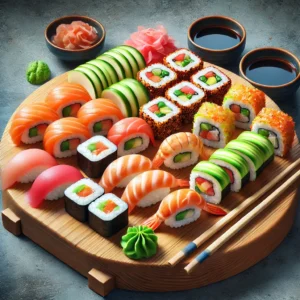
    Sushi: This iconic Japanese dish, consisting of vinegared rice paired with various ingredients such as raw fish, vegetables, and sometimes tropical fruits, is a global favorite. Sushi comes in many forms, including nigiri, sashimi, maki, and temaki. The following is the halal Sushi Recipe.

    Ingredients:

    • 2 cups sushi rice
    • 2 cups water
    • 1/2 cup rice vinegar
    • 2 tablespoons sugar
    • 1 tablespoon salt
    • Nori sheets (seaweed)
    • Halal-certified cooked seafood (e.g., shrimp, crab, smoked salmon)
    • Cucumber, avocado, and other vegetables
    • Soy sauce (ensure halal certification)
    • Pickled ginger
    • Wasabi (optional)

    Instructions:

    1. Rinse the sushi rice under cold water until the water runs clear. Cook the rice with 2 cups of water.
    2. While the rice cooks, mix the rice vinegar, sugar, and salt in a small bowl until dissolved.
    3. Once the rice is cooked, transfer it to a wooden or plastic container and gently fold in the vinegar mixture. Allow the rice to cool to room temperature.
    4. Place a nori sheet on a bamboo sushi mat, shiny side down. Spread a thin layer of rice over the nori, leaving a 1-inch border at the top.
    5. Arrange the halal seafood and vegetables in a line across the center of the rice.
    6. Roll the sushi tightly using the mat, then slice into bite-sized pieces with a sharp knife.
    7. Serve with soy sauce, pickled ginger, and wasabi.
  • Tteokbokki Recipe

    Tteokbokki Recipe

    Tteokbokki Recipe

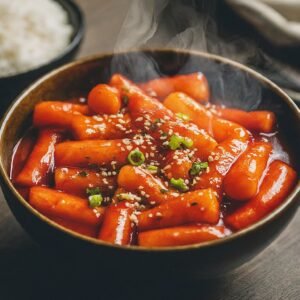
    Tteokbokki at glance: Tteokbokki is a spicy and slightly sweet dish made from chewy rice cakes, fish cakes, and a spicy gochujang-based sauce. It’s a popular street food in Korea that has found fans internationally due to its distinct texture and bold flavors. The following is the halal Tteokbokki Recipe.

    Ingredients:

    • 500g Korean rice cakes (tteok)
    • 2 cups water
    • 2 tablespoons gochujang
    • 1 tablespoon sugar
    • 1 tablespoon soy sauce
    • 2 cloves garlic, minced
    • 2 green onions, chopped
    • 1 boiled egg (optional)
    • 1 fish cake sheet, sliced (halal-certified)

    Instructions:

    1. Soak the rice cakes in water for about 10 minutes if they are hard.
    2. In a pot, combine water, gochujang, sugar, soy sauce, and garlic. Bring to a boil.
    3. Add the rice cakes and fish cake slices to the pot. Cook for about 10 minutes until the sauce thickens and the rice cakes are soft.
    4. Stir in the green onions and cook for an additional 2 minutes.
    5. Serve hot, optionally topped with a boiled egg.
  • Korean Fried Chicken Recipe

    Korean Fried Chicken Recipe

    Korean Fried Chicken Recipe

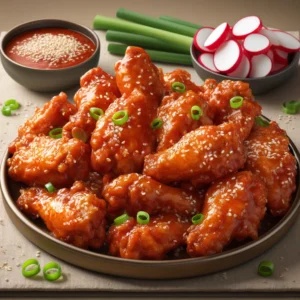
    Korean Fried Chicken at glance: Known for its crispy skin and juicy meat, Korean fried chicken is often double-fried and coated in a variety of flavorful sauces. Its unique preparation method has made it a popular dish in many parts of the world. The following is the halal Korean Fried Chicken Recipe.
    Ingredients:

    • 1kg chicken wings or drumettes (halal)
    • 1 cup flour
    • 1/2 cup cornstarch
    • 1 teaspoon salt
    • 1 teaspoon black pepper
    • Oil for frying

    Sauce Ingredients:

    • 1/4 cup gochujang
    • 1/4 cup ketchup
    • 1/4 cup honey
    • 2 tablespoons soy sauce
    • 2 cloves garlic, minced

    Instructions:

    1. Mix flour, cornstarch, salt, and pepper in a bowl.
    2. Dredge the chicken pieces in the flour mixture.
    3. Heat oil in a deep fryer or large pot to 350°F (175°C). Fry chicken in batches until golden brown and crispy, about 10-15 minutes. Drain on paper towels.
    4. In a saucepan, mix gochujang, ketchup, honey, soy sauce, and garlic. Cook over medium heat until the sauce thickens.
    5. Toss the fried chicken in the sauce until fully coated.
  • Bulgogi Recipe

    Bulgogi Recipe

    Bulgogi Recipe

    Bulgogi at glance: Bulgogi, which means “fire meat,” is a dish of thinly sliced marinated beef or pork, grilled to perfection. Its sweet and savory marinade makes it a hit in many countries, often served in Korean BBQ restaurants. The following is the halal Bulgogi Recipe.

    Ingredients:

    • 500g thinly sliced beef rib-eye or sirloin (halal)
    • 1/4 cup soy sauce
    • 2 tablespoons sugar
    • 2 tablespoons sesame oil
    • 4 cloves garlic, minced
    • 1 tablespoon grated pear
    • 1/4 teaspoon black pepper
    • 1 onion, sliced
    • 2 green onions, chopped
    • 1 tablespoon sesame seeds

    Instructions:

    1. In a bowl, mix soy sauce, sugar, sesame oil, garlic, grated pear, and black pepper to make the marinade.
    2. Add the beef slices, onion, and green onions to the marinade. Mix well and let it sit for at least 30 minutes.
    3. Heat a grill or a skillet over medium-high heat and cook the marinated beef until it’s fully cooked.
    4. Sprinkle with sesame seeds before serving.
  • Bibimbap Recipe

    Bibimbap Recipe

    Bibimbap Recipe

    Bibimbap at glance: Bibimbap is a mixed rice dish topped with various vegetables, meats, a fried egg, and gochujang (Korean chili paste). It’s both visually appealing and delicious, making it a favorite in Korean restaurants worldwide. The following is the halal Bibimbap Recipe.

    Ingredients:

    • 2 cups cooked white rice
    • 1 cup spinach, blanched
    • 1 cup bean sprouts, blanched
    • 1 carrot, julienned and sautéed
    • 1 zucchini, julienned and sautéed
    • 1/2 cup shiitake mushrooms, sautéed
    • 200g ground beef or chicken (halal), cooked with soy sauce and sugar
    • 2 eggs, fried sunny-side-up
    • 2 tablespoons gochujang (Korean chili paste)
    • 1 teaspoon sesame oil
    • Sesame seeds for garnish

    Instructions:

    1. Place cooked rice in bowls.
    2. Arrange spinach, bean sprouts, carrot, zucchini, mushrooms, and meat on top of the rice.
    3. Place the fried egg on top.
    4. Add a spoonful of gochujang and a drizzle of sesame oil.
    5. Mix everything together before eating and garnish with sesame seeds.