Category: ASMR

  • 7 Astonishing Facts About the Oceans

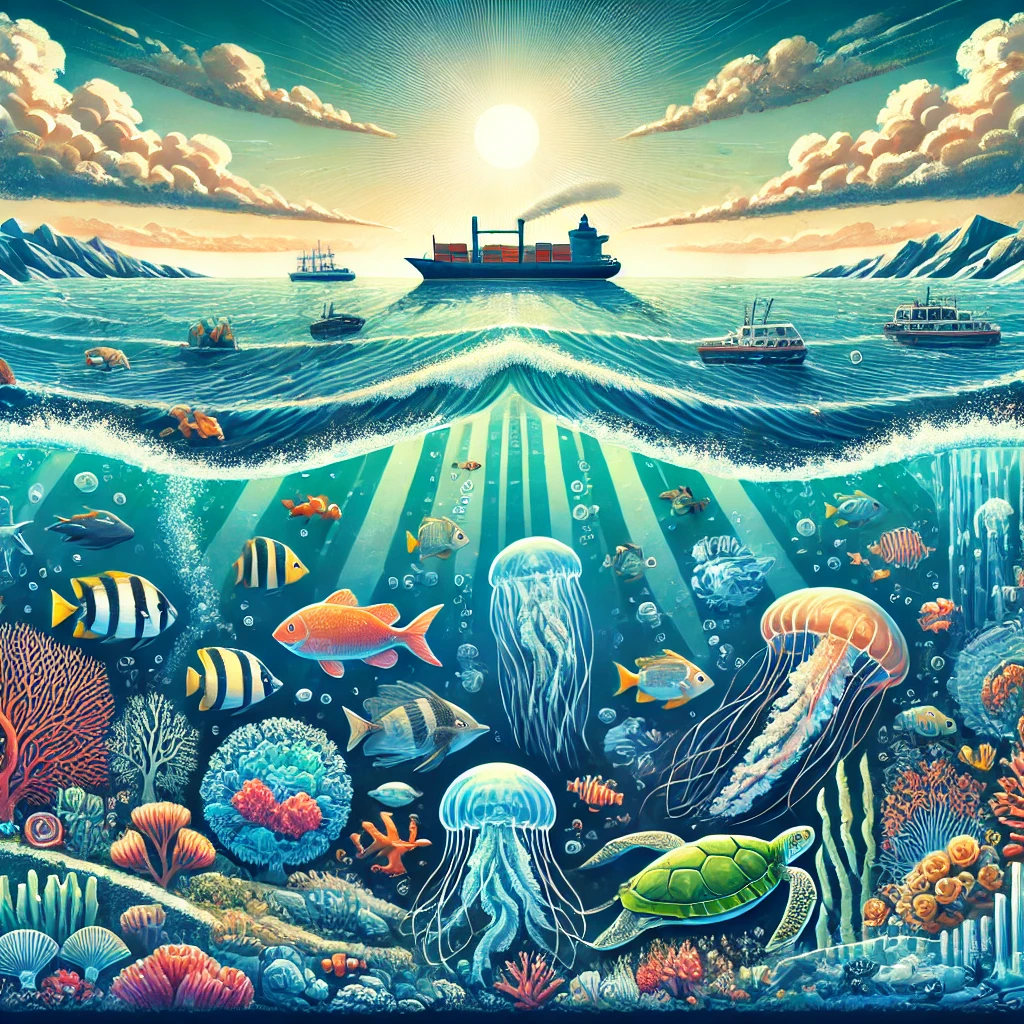
    7 Astonishing Facts About the Oceans

    7 Astonishing Facts About the Oceans

    1. Ocean Coverage

    Oceans cover about 71% of the Earth’s surface, making them the largest habitat on the planet. This vast expanse includes five major oceans: the Pacific, Atlantic, Indian, Southern, and Arctic Oceans. The oceans play a crucial role in supporting life on Earth by regulating climate, storing carbon, and providing habitat for countless species. They also influence weather patterns, support global trade through shipping routes, and offer recreational opportunities for millions of people.

    2. Mariana Trench

    The Mariana Trench is the deepest part of the ocean, reaching depths of about 36,000 feet (10,972 meters) in its Challenger Deep section. Located in the western Pacific Ocean, the trench is a crescent-shaped scar in the Earth’s crust. The extreme conditions in the Mariana Trench, including high pressure and darkness, create a unique environment that is home to specially adapted organisms. Exploration of this trench has provided valuable insights into the geological processes and biodiversity of the deep ocean.

    3. Biodiversity

    The oceans are home to an estimated 2.2 million species, many of which are still undiscovered. Marine biodiversity ranges from the smallest plankton to the largest animal on Earth, the blue whale. Coral reefs, mangroves, deep-sea vents, and open ocean ecosystems host a diverse array of life forms. This biodiversity is essential for the health of marine ecosystems and provides numerous benefits to humans, including food, medicine, and economic resources. However, many marine species are threatened by overfishing, habitat destruction, and climate change.

    4. Great Barrier Reef

    The Great Barrier Reef, located off the coast of Queensland, Australia, is the largest coral reef system in the world, stretching over 1,400 miles (2,300 kilometers). It consists of approximately 2,900 individual reefs and 900 islands. The reef is so large that it can be seen from space. It supports a diverse range of marine life, including fish, corals, mollusks, sea turtles, and seabirds. The Great Barrier Reef is also a UNESCO World Heritage site and a major tourist attraction. However, it faces significant threats from coral bleaching, pollution, and climate change.

    5. Oxygen Production

    Oceans produce over 50% of the world’s oxygen through marine plants and phytoplankton. Phytoplankton, microscopic organisms that live in the sunlit upper layers of the ocean, perform photosynthesis, converting carbon dioxide into oxygen. This process is critical for maintaining the balance of gases in the atmosphere and supporting life on Earth. Marine algae, including seaweed, also contribute to oxygen production. The health of these marine organisms is vital for sustaining the oxygen supply and the overall health of the planet.

    6. Ocean Currents

    Ocean currents play a crucial role in regulating the Earth’s climate and weather patterns. These currents are driven by wind, temperature differences, salinity, and the Earth’s rotation. They transport warm water from the equator toward the poles and cold water from the poles toward the equator, helping to distribute heat and regulate temperatures globally. Ocean currents also influence weather systems, such as hurricanes and monsoons, and play a role in nutrient cycling, supporting marine life. The Gulf Stream, for example, is a powerful current that affects the climate of North America and Europe.

    7. Plastic Pollution

    An estimated 8 million metric tons of plastic enter the oceans each year, posing a severe threat to marine life and ecosystems. Plastic pollution affects all parts of the ocean, from coastlines to the deep sea. Marine animals, such as turtles, seabirds, and fish, can ingest plastic or become entangled in it, leading to injury or death. Microplastics, tiny plastic particles, can accumulate in the food chain, affecting both marine life and human health. Efforts to reduce plastic pollution include reducing plastic use, improving waste management, and increasing recycling and cleanup initiatives.

    These seven facts highlight the vastness, complexity, and importance of the world’s oceans, emphasizing the need to protect and preserve these vital ecosystems for future generations.

  • 7 Intriguing Facts About Artificial Intelligence

    7 Intriguing Facts About Artificial Intelligence

    7 Intriguing Facts About Artificial Intelligence

    1. Origins

    The concept of Artificial Intelligence (AI) can be traced back to ancient myths and stories of automata—mechanical beings with human-like abilities. However, the formal term “Artificial Intelligence” was coined in 1956 during the Dartmouth Conference by John McCarthy, Marvin Minsky, Nathaniel Rochester, and Claude Shannon. This conference marked the beginning of AI as an academic discipline, setting the stage for decades of research and development in creating machines capable of performing tasks that typically require human intelligence.

    2. Machine Learning

    Machine learning is a core component of AI that enables systems to improve their performance over time without being explicitly programmed. By analyzing large datasets, machine learning algorithms can identify patterns and make predictions or decisions based on new data. This process involves training models on historical data and then using these models to make inferences or recognize patterns in unseen data. Machine learning is widely used in applications such as image and speech recognition, recommendation systems, and fraud detection.

    3. Applications

    AI has a broad range of applications across various fields:

    • Healthcare: AI is used for diagnosing diseases, personalizing treatment plans, and analyzing medical images. For instance, AI algorithms can detect early signs of cancer in radiology scans with high accuracy.
    • Finance: AI helps in fraud detection, algorithmic trading, credit scoring, and customer service through chatbots.
    • Automotive: AI is critical in the development of autonomous vehicles, enabling them to navigate, recognize objects, and make real-time decisions.
    • Entertainment: AI powers recommendation engines on platforms like Netflix and Spotify, and it is used in creating realistic animations and virtual characters in video games and movies.

    4. Turing Test

    The Turing Test, developed by British mathematician and logician Alan Turing in 1950, is a measure of a machine’s ability to exhibit intelligent behavior indistinguishable from that of a human. In the test, a human evaluator interacts with a machine and a human without knowing which is which. If the evaluator cannot reliably distinguish the machine from the human, the machine is said to have passed the Turing Test. This concept has inspired much of the research in AI aimed at creating machines that can think and act like humans.

    5. Ethical Concerns

    The rapid advancement of AI technology raises several ethical concerns:

    • Privacy: AI systems often require large amounts of data, raising concerns about how personal information is collected, stored, and used.
    • Job Displacement: Automation and AI-driven systems can lead to job losses in certain sectors, necessitating discussions on workforce retraining and economic policies.
    • Decision-Making: AI systems making critical decisions in areas like law enforcement, healthcare, and finance must be transparent, fair, and unbiased. There are concerns about AI systems reinforcing existing biases present in training data.
    • Autonomy: The development of autonomous weapons and AI in military applications raises questions about accountability and the moral implications of delegating life-and-death decisions to machines.

    6. Deep Learning

    Deep learning is a subset of machine learning that involves neural networks with many layers—hence the term “deep.” These neural networks are designed to simulate the way the human brain processes information. Deep learning algorithms excel at analyzing complex and high-dimensional data, making them particularly effective for tasks like image and speech recognition, natural language processing, and game playing. Technologies like convolutional neural networks (CNNs) and recurrent neural networks (RNNs) have driven significant advancements in AI capabilities.

    7. Future Potential

    AI has the potential to revolutionize various industries and improve quality of life in numerous ways:

    • Healthcare: AI could enable personalized medicine, predictive diagnostics, and more efficient healthcare delivery.
    • Education: AI-driven tools can provide personalized learning experiences and support for students, helping to close educational gaps.
    • Environment: AI can aid in climate modeling, energy management, and conservation efforts, contributing to environmental sustainability.
    • Economy: AI can enhance productivity, drive innovation, and create new economic opportunities, although it also requires careful management to address potential negative impacts.

    These seven facts highlight the transformative impact of AI on our society, underscoring both its immense potential and the importance of addressing ethical and practical challenges.

  • 7 Unique Facts About Different Cultures Around the World

    7 Unique Facts About Different Cultures Around the World

    7 Unique Facts About Different Cultures Around the World

    1. Japan’s Capsule Hotels

    Capsule hotels, also known as pod hotels, originated in Japan as an affordable and efficient lodging option for travelers, especially in urban areas. Each “capsule” is a small, enclosed bed space equipped with basic amenities such as a mattress, pillow, and often a TV, power outlet, and Wi-Fi. These hotels maximize space utilization and offer a unique experience for budget-conscious travelers. Despite their compact size, capsule hotels are designed to be comfortable and provide privacy, making them popular among tourists and business travelers alike.

    2. India’s Holi Festival

    Holi, known as the festival of colors, is one of the most vibrant and joyous festivals celebrated in India. It marks the arrival of spring and the victory of good over evil. During Holi, people gather to throw colored powders and water at each other, sing and dance, and enjoy festive foods. The festival also includes lighting bonfires the night before to symbolize the burning of the demoness Holika. Holi promotes social harmony, as people from all walks of life come together to celebrate, forgetting past grievances and renewing relationships.

    3. New Zealand’s Haka

    The Haka is a traditional war dance performed by the Māori people of New Zealand. It involves rhythmic chanting, vigorous movements, and facial expressions intended to convey strength and unity. The Haka was originally performed by warriors before battle to intimidate opponents and boost morale. Today, it is performed on various occasions, including cultural ceremonies, celebrations, and sporting events. The New Zealand national rugby team, the All Blacks, famously performs the Haka before their matches, showcasing this powerful cultural tradition to the world.

    4. Mexico’s Day of the Dead

    Día de los Muertos, or the Day of the Dead, is a Mexican holiday that honors deceased loved ones. Celebrated on November 1st and 2nd, the holiday combines indigenous traditions with Catholic influences. Families create altars, or ofrendas, adorned with photos, marigolds, candles, and offerings such as favorite foods and drinks of the deceased. The celebration includes parades, music, and visits to cemeteries, where graves are cleaned and decorated. The Day of the Dead is a festive and colorful event that reflects a deep respect for ancestors and the belief in the continuity of life.

    5. Finland’s Sauna Culture

    Saunas are an integral part of Finnish culture and daily life. With an estimated 2 million saunas for a population of about 5.5 million people, Finland has more saunas than cars. Saunas are used for relaxation, socializing, and various health benefits. The traditional Finnish sauna experience involves sitting in a hot, steam-filled room, often followed by a plunge into a cold lake or shower. Saunas are found in homes, public facilities, and even offices, reflecting their importance in Finnish society. The sauna culture emphasizes cleanliness, well-being, and a connection to nature.

    6. Ethiopia’s Calendar

    Ethiopia uses a unique calendar system that is based on the Coptic and Julian calendars. The Ethiopian calendar consists of 13 months: 12 months of 30 days each and a 13th month called Pagumē, which has 5 or 6 days depending on whether it is a leap year. As a result, the Ethiopian calendar is seven to eight years behind the Gregorian calendar used in most of the world. Ethiopia celebrates New Year, known as Enkutatash, on September 11th (or 12th in a leap year), marking the end of the rainy season and the beginning of the harvest season.

    7. Brazil’s Carnival

    Carnival in Brazil is one of the largest and most famous festivals in the world, known for its spectacular parades, samba music, and vibrant costumes. Held annually before Lent, Carnival is a time of exuberant celebration and cultural expression. The most renowned Carnival takes place in Rio de Janeiro, where samba schools compete in elaborate parades at the Sambadrome. The festivities include street parties, dance performances, and music, reflecting Brazil’s diverse cultural heritage and love for celebration. Carnival attracts millions of visitors from around the globe, making it a major cultural and tourist event.

    These seven facts highlight the rich diversity and unique practices of cultures around the world, showcasing the importance of cultural heritage and traditions in shaping societies.

  • 7 Essential Facts About Climate Change

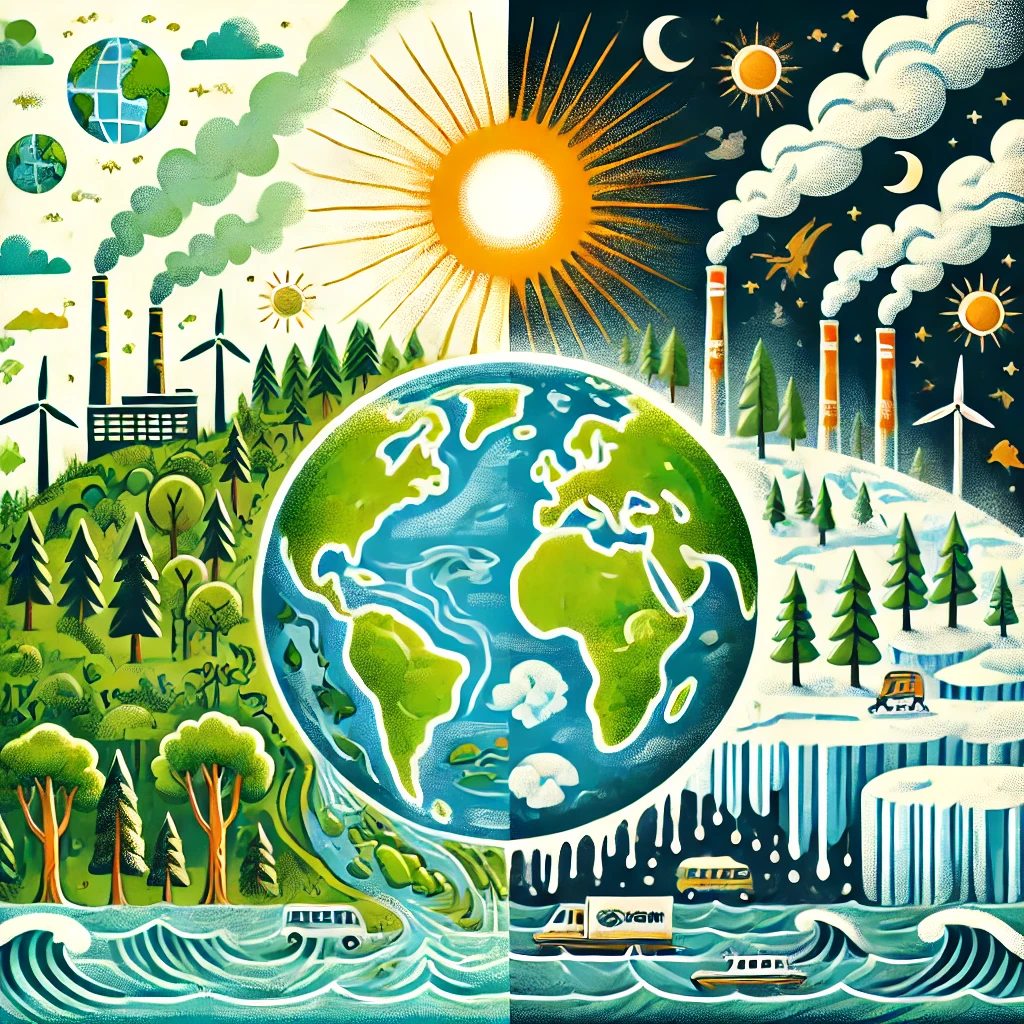
    7 Essential Facts About Climate Change

    7 Essential Facts About Climate Change

    1. Rising Temperatures

    Since the late 19th century, the Earth’s average surface temperature has increased by about 1.2°C (2.2°F). This rise is largely due to human activities that release greenhouse gases into the atmosphere, trapping heat and causing the planet to warm. This seemingly small increase in temperature has far-reaching impacts, including altered weather patterns, disrupted ecosystems, and more frequent and severe heatwaves. The warming trend is projected to continue, leading to even more significant changes in the climate.

    2. Greenhouse Gases

    Greenhouse gases (GHGs) like carbon dioxide (CO2), methane (CH4), and nitrous oxide (N2O) have increased significantly due to human activities such as burning fossil fuels (coal, oil, and natural gas), deforestation, and industrial processes. These gases trap heat in the atmosphere, creating a ‘greenhouse effect’ that warms the planet. The concentration of CO2, the most prevalent GHG, has risen from pre-industrial levels of about 280 parts per million (ppm) to over 410 ppm today, exacerbating global warming.

    3. Sea Level Rise

    Sea levels are rising as a result of two main factors: the thermal expansion of seawater as it warms and the melting of glaciers and ice sheets. Over the past century, global sea levels have risen by about 20 centimeters (8 inches), with the rate of rise accelerating in recent decades. This poses significant risks to coastal communities, including increased flooding, erosion, and saltwater intrusion into freshwater resources. Low-lying areas and small island nations are particularly vulnerable to these changes.

    4. Extreme Weather

    Climate change is contributing to the increased frequency and severity of extreme weather events. This includes more intense hurricanes and tropical storms, prolonged droughts, severe heatwaves, and heavy rainfall leading to floods. These events have devastating effects on communities, economies, and ecosystems. For example, warmer ocean temperatures can fuel stronger hurricanes, while higher atmospheric temperatures can exacerbate heatwaves and drought conditions.

    5. Ocean Acidification

    The world’s oceans absorb about one-third of the CO2 emitted by human activities. As CO2 dissolves in seawater, it forms carbonic acid, leading to a decrease in the ocean’s pH levels—a process known as ocean acidification. This change in acidity can harm marine life, particularly organisms with calcium carbonate shells or skeletons, such as corals, mollusks, and some plankton species. Acidification disrupts marine ecosystems and threatens fisheries and aquaculture industries.

    6. Biodiversity Loss

    Climate change is one of the major drivers of biodiversity loss. As temperatures rise and weather patterns shift, many species struggle to adapt to the rapidly changing conditions. Habitats are being altered or destroyed, leading to the displacement or extinction of species. Polar bears, coral reefs, and migratory birds are among those at risk. The loss of biodiversity affects ecosystem services that humans rely on, such as pollination, water purification, and disease regulation.

    7. Mitigation and Adaptation

    Addressing climate change requires a dual approach: mitigation and adaptation. Mitigation involves reducing or preventing the emission of greenhouse gases, which can be achieved through transitioning to renewable energy sources (solar, wind, hydro), enhancing energy efficiency, and adopting sustainable practices in agriculture and forestry. Adaptation refers to adjusting our lifestyles and infrastructure to cope with the impacts of climate change, such as building resilient infrastructure, developing early warning systems for extreme weather, and implementing water management strategies to handle droughts and floods.

    These seven facts underscore the urgency and complexity of climate change, highlighting the need for global cooperation and action to mitigate its effects and adapt to its impacts.

  • 7 Incredible Facts About the Amazon Rainforest

    7 Incredible Facts About the Amazon Rainforest

    7 Incredible Facts About the Amazon Rainforest

    1. Biodiversity

    The Amazon Rainforest is one of the most biodiverse places on Earth, hosting approximately 10% of the known species. This rich biodiversity includes an estimated 40,000 plant species, 1,300 bird species, 3,000 types of fish, 430 mammals, and 2.5 million different insects. The rainforest’s dense and varied habitats, ranging from the forest floor to the canopy, provide niches for countless species. This biodiversity is crucial for ecological balance and provides potential resources for food, medicine, and scientific research.

    2. River System

    The Amazon River, the lifeblood of the rainforest, is the second-longest river in the world, after the Nile. Stretching about 4,345 miles (7,062 kilometers), it boasts the largest drainage basin of any river, covering around 2.7 million square miles (7 million square kilometers). The river discharges more water than the next seven largest rivers combined, supporting a vast network of tributaries and diverse aquatic ecosystems. The Amazon River is essential for transportation, sustenance, and the overall hydrological balance of the region.

    3. Carbon Storage

    The Amazon Rainforest plays a vital role in the global carbon cycle by absorbing significant amounts of carbon dioxide (CO2) from the atmosphere. This process, known as carbon sequestration, helps mitigate climate change by reducing greenhouse gas concentrations. The Amazon stores approximately 100 billion metric tons of carbon in its trees and soil. However, deforestation and forest degradation threaten this capacity, releasing stored carbon back into the atmosphere and exacerbating climate change.

    4. Indigenous Peoples

    The Amazon Rainforest is home to over 400 indigenous tribes, each with distinct languages, cultures, and traditions. These tribes have inhabited the region for thousands of years, living in harmony with the forest and relying on its resources for their livelihoods. Indigenous knowledge of the rainforest’s ecology, medicinal plants, and sustainable practices is invaluable. Protecting the rights and territories of indigenous peoples is crucial for conserving biodiversity and maintaining the cultural heritage of the Amazon.

    5. Deforestation

    Deforestation is a significant threat to the Amazon Rainforest, with about 17% of its forest cover lost in the last 50 years. The primary drivers of deforestation include logging, agriculture (especially cattle ranching and soybean farming), mining, and infrastructure development. Deforestation leads to habitat loss, reduced biodiversity, and increased carbon emissions. Efforts to combat deforestation involve sustainable land management practices, enforcement of environmental laws, and supporting conservation initiatives.

    6. Medicinal Plants

    The Amazon Rainforest is a treasure trove of medicinal plants, many of which are used in modern medicine. Indigenous tribes have long utilized these plants for their healing properties. For example, the bark of the Cinchona tree is the source of quinine, a treatment for malaria, and the rosy periwinkle plant provides compounds used in cancer treatment. Researchers continue to explore the rainforest for potential new drugs, underscoring the importance of conserving this vast botanical resource.

    7. Climate Influence

    The Amazon Rainforest significantly influences global weather patterns and climate regulation. It generates about 20% of the world’s oxygen through photosynthesis, earning it the nickname “the lungs of the Earth.” The rainforest also contributes to the water cycle by releasing vast amounts of water vapor into the atmosphere, which affects rainfall patterns both locally and globally. The Amazon’s role in climate regulation underscores the need for its preservation to maintain global environmental stability.

    These seven facts highlight the Amazon Rainforest’s critical importance to our planet’s ecological health, climate stability, and cultural diversity. Protecting and conserving the Amazon is essential for the well-being of current and future generations.

  • 7 Amazing Facts About Renewable Energy

    7 Amazing Facts About Renewable Energy

    7 Amazing Facts About Renewable Energy

    1. Solar Power

    Solar power harnesses energy from the sun using photovoltaic (PV) cells that convert sunlight directly into electricity. The potential of solar energy is immense; in just one hour, enough sunlight strikes the Earth to meet the entire world’s energy needs for a full year. This makes solar power a highly promising and sustainable energy source. Solar panels can be installed on rooftops, in solar farms, and even on portable devices, providing clean and renewable energy without producing greenhouse gases.

    2. Wind Energy

    Wind energy is generated by converting the kinetic energy of wind into electrical power using wind turbines. These turbines have large blades that spin when wind blows, driving a generator to produce electricity. Wind energy is a clean, renewable source that doesn’t emit greenhouse gases or other pollutants. Wind power capacity is rapidly expanding worldwide, with large wind farms being built onshore and offshore. Advances in turbine technology and increasing efficiency are helping to make wind energy more cost-effective and widespread.

    3. Hydropower

    Hydropower, or hydroelectric power, is generated by harnessing the energy of flowing water, typically from rivers or dams. It is the largest source of renewable electricity globally, providing about 16% of the world’s total electricity. Hydropower plants convert the energy of moving water into mechanical energy using turbines, which then generate electricity. This form of energy is highly reliable and can be adjusted to meet demand, making it a crucial part of many countries’ energy portfolios. However, it requires careful management of water resources to minimize environmental impacts.

    4. Geothermal Energy

    Geothermal energy exploits heat from the Earth’s core, which can be accessed by drilling wells to tap into steam or hot water reservoirs underground. This energy can be used for direct heating applications or to generate electricity using steam turbines. Geothermal power plants provide a consistent and reliable energy source with a small land footprint. Countries with significant geothermal activity, such as Iceland, New Zealand, and the United States, utilize this renewable energy to meet substantial portions of their energy needs.

    5. Bioenergy

    Bioenergy is produced from organic materials known as biomass, which include wood, crop residues, and animal manure. Biomass can be converted into electricity, heat, or biofuels through processes such as combustion, anaerobic digestion, or gasification. Bioenergy helps reduce reliance on fossil fuels and can utilize waste products, contributing to waste management and recycling efforts. Biofuels, such as ethanol and biodiesel, are particularly important for the transportation sector, offering a renewable alternative to gasoline and diesel.

    6. Energy Storage

    Energy storage is essential for balancing supply and demand in renewable energy systems, especially given the intermittent nature of sources like solar and wind. Advances in battery technology, particularly lithium-ion batteries, have significantly improved the efficiency, capacity, and cost of energy storage solutions. These improvements are crucial for integrating renewable energy into the grid, providing backup power, and enabling off-grid applications. Other energy storage methods, such as pumped hydro and compressed air, also play important roles in enhancing the reliability and stability of renewable energy systems.

    7. Cost Reduction

    The cost of renewable energy technologies, especially solar and wind, has dramatically decreased over the past decade. Economies of scale, technological advancements, and increased competition have driven down the prices of solar panels and wind turbines. This reduction in cost has made renewable energy more competitive with fossil fuels, leading to increased adoption and investment. In many regions, the cost of generating electricity from solar and wind is now lower than that from coal or natural gas, making renewables an economically viable option for new power generation projects.

    These seven facts highlight the significant advancements and potential of renewable energy sources, demonstrating their critical role in achieving a sustainable and clean energy future.

  • 7 Interesting Facts About Space Exploration

    7 Interesting Facts About Space Exploration

    7 Interesting Facts About Space Exploration

    1. First Human in Space

    Yuri Gagarin, a Soviet astronaut, made history on April 12, 1961, by becoming the first human to travel into space. He orbited the Earth once aboard the Vostok 1 spacecraft, a mission that lasted 108 minutes from launch to landing. Gagarin’s successful flight marked a significant milestone in the Space Race between the Soviet Union and the United States, showcasing Soviet prowess in space technology and exploration. Gagarin’s achievement paved the way for future human spaceflight and is celebrated annually as Yuri’s Night.

    2. Moon Landing

    On July 20, 1969, Neil Armstrong and Buzz Aldrin became the first humans to set foot on the Moon during NASA’s Apollo 11 mission. Armstrong’s famous words, “That’s one small step for man, one giant leap for mankind,” marked a monumental moment in human history. The Apollo 11 mission demonstrated the feasibility of manned lunar landings and fulfilled President John F. Kennedy’s goal of landing a man on the Moon and returning him safely to Earth. The mission also provided valuable scientific data and samples from the Moon’s surface.

    3. Mars Rovers

    NASA’s Mars rovers, such as Curiosity and Perseverance, have revolutionized our understanding of the Red Planet. Launched in 2011 and 2020 respectively, these rovers have explored Mars’ surface, analyzed its geology, and searched for signs of past microbial life. Curiosity’s discoveries include evidence of ancient water flows, while Perseverance is focused on astrobiology and collecting samples for future return to Earth. These rovers are equipped with advanced instruments and have transmitted a wealth of data back to scientists, helping to unravel the mysteries of Mars.

    4. Hubble Space Telescope

    Since its launch in 1990, the Hubble Space Telescope has provided some of the most detailed images of the universe ever captured. Positioned above Earth’s atmosphere, Hubble has a clear view of distant galaxies, nebulae, and other celestial objects. Its observations have led to numerous discoveries, such as determining the rate of expansion of the universe, identifying exoplanets, and capturing the life cycles of stars. Hubble’s contributions have greatly enhanced our understanding of the cosmos and inspired countless scientific studies.

    5. International Space Station

    The International Space Station (ISS) is a collaborative project involving space agencies from the United States (NASA), Russia (Roscosmos), Europe (ESA), Japan (JAXA), and Canada (CSA). Orbiting Earth at an average altitude of about 408 kilometers (253 miles), the ISS serves as a unique laboratory for scientific research in microgravity. Experiments conducted on the ISS cover a wide range of disciplines, including biology, physics, astronomy, and materials science. The ISS also plays a crucial role in preparing for future long-duration space missions, such as those to Mars.

    6. Voyager Probes

    Launched by NASA in 1977, the Voyager probes (Voyager 1 and Voyager 2) are among the most successful and long-lasting missions in space exploration history. Voyager 1 entered interstellar space in 2012, followed by Voyager 2 in 2018. These probes have provided invaluable data about the outer planets and their moons, as well as the heliosphere—the bubble-like region of space dominated by the Sun’s influence. Voyager 1’s famous “Pale Blue Dot” photograph of Earth, taken from a distance of about 3.7 billion miles, highlights the vastness of space and our place within it.

    7. Reusable Rockets

    The development of reusable rockets by companies like SpaceX has revolutionized space travel by significantly reducing its cost. SpaceX’s Falcon 9 rocket, which features a reusable first stage, has successfully landed and been reused multiple times. This innovation allows for more frequent and affordable access to space, enabling a new era of exploration and commercial opportunities. Reusable rockets are a critical step towards sustainable space exploration and play a key role in plans for future missions to the Moon, Mars, and beyond.

    These seven facts highlight the incredible achievements and ongoing advancements in space exploration, showcasing humanity’s relentless pursuit of knowledge and discovery.

  • 7 Surprising Facts About the Human Brain

    7 Surprising Facts About the Human Brain

    7 Surprising Facts About the Human Brain

    1. Neuron Count

    The human brain contains approximately 86 billion neurons. Neurons are the fundamental units of the brain and nervous system, responsible for receiving sensory input from the external world, processing this information, and sending commands to the body. Each neuron can form thousands of connections with other neurons, creating a vast and intricate network. These connections, known as synapses, enable the complex signaling and communication required for everything from basic reflexes to advanced cognitive functions.

    2. Energy Consumption

    Although the brain accounts for only about 2% of a person’s body weight, it consumes roughly 20% of the body’s energy. This high energy demand is due to the brain’s continuous activity, even during sleep. The brain requires a constant supply of glucose and oxygen to maintain its functions, including maintaining electrical potentials across neuron membranes and synthesizing neurotransmitters. The energy is used for various processes such as signaling, maintenance, and the creation of new neural connections.

    3. Plasticity

    The brain exhibits remarkable plasticity, meaning it has the ability to reorganize itself by forming new neural connections throughout life. Neuroplasticity allows the brain to adapt to new experiences, learn new information, and recover from injuries. This adaptability is essential for learning and memory and is the basis for rehabilitation therapies that help people recover lost functions after brain injuries or strokes. The extent and efficiency of plasticity can vary depending on age, health, and environmental factors.

    4. Speed

    Information travels through the brain at astonishing speeds, up to 268 miles per hour. This rapid transmission is facilitated by neurons and the myelin sheath, a fatty layer that surrounds nerve fibers and increases the speed of electrical impulses. Fast communication between neurons is essential for the brain to process information quickly and efficiently, enabling rapid responses to stimuli and coordination of complex tasks such as movement, perception, and decision-making.

    5. Memory Storage

    The brain’s storage capacity is virtually unlimited, thanks to its trillions of synaptic connections. Each synapse can be strengthened or weakened based on activity, which is the basis for learning and memory. Unlike computer storage, which has a fixed limit, the brain continually forms new connections and reorganizes existing ones, allowing for an immense capacity to store and recall information. This dynamic nature of memory storage involves complex biochemical processes and structural changes in the brain.

    6. Dreams

    The average person experiences about 4-6 dreams per night during the rapid eye movement (REM) stage of sleep. Dreams are a fascinating phenomenon that can range from mundane to bizarre. While the exact purpose of dreaming is still debated, theories suggest that dreams may help with memory consolidation, problem-solving, and processing emotions. Despite having multiple dreams each night, many people do not remember them, likely due to the brain’s mechanisms for filtering out unnecessary information.

    7. Unique Patterns

    Each person’s brain is unique, with distinct patterns of connectivity and activity. These patterns are shaped by genetics, experiences, and environmental influences, making every brain different. The uniqueness of each brain is evident in aspects such as personality, cognitive abilities, and behavior. Advanced imaging techniques, such as functional MRI (fMRI), have revealed that even identical twins have differences in their brain structures and activity patterns, highlighting the individual nature of the human brain.

    4o

  • 7 Fascinating Facts About Ancient Egypt

    7 Fascinating Facts About Ancient Egypt

    7 Fascinating Facts About Ancient Egypt

    1. Hieroglyphs

    Hieroglyphs were the formal writing system used in Ancient Egypt, combining logographic and alphabetic elements. Hieroglyphic writing consisted of over 700 symbols, each representing a different sound, object, or idea. These symbols were meticulously carved on temple walls, tombs, and other monuments, and were also written on papyrus scrolls. The deciphering of hieroglyphs was a monumental task achieved by Jean-François Champollion in the early 19th century, thanks to the Rosetta Stone, which contained the same text in Greek, Demotic, and hieroglyphic script.

    2. Pyramids

    The pyramids of Egypt, particularly the Great Pyramid of Giza, are iconic symbols of ancient engineering prowess. The Great Pyramid, built for the Pharaoh Khufu (also known as Cheops), is the largest of the three pyramids on the Giza Plateau. Constructed around 2580–2560 BCE, it originally stood at 146.6 meters (481 feet) tall. The precision with which the pyramids were built, with massive limestone and granite blocks, showcases the Egyptians’ advanced understanding of architecture and their ability to mobilize and organize large labor forces.

    3. Mummification

    Mummification was a sophisticated process designed to preserve the bodies of the dead for the afterlife, reflecting the Egyptians’ belief in immortality. The process involved several stages: removing internal organs, treating the body with natron (a natural desiccant), and wrapping it in linen bandages. Organs were often placed in canopic jars, and the body was sometimes adorned with amulets to protect it in the afterlife. The most famous mummies, such as that of Tutankhamun, have provided invaluable insights into Egyptian burial practices and beliefs.

    4. Pharaohs

    Pharaohs were the supreme rulers of Egypt and were considered divine beings, believed to be intermediaries between the gods and humans. They held absolute power and were responsible for maintaining ma’at (order, balance, and justice) in society. Pharaohs were often depicted in monumental art and their names were inscribed in cartouches (oval frames) on monuments. Notable pharaohs include Ramses II, known for his extensive building projects, and Cleopatra VII, the last pharaoh of Egypt who played a significant role in Roman political affairs.

    5. Mathematics and Engineering

    The Egyptians made significant contributions to mathematics and engineering, essential for the construction of their grand monuments. They developed a decimal system and had a deep understanding of geometry, which they used to design and build pyramids, temples, and other structures with remarkable precision. Their knowledge extended to practical applications such as surveying land and calculating areas for agricultural purposes. Techniques like using ropes and stakes for measurements and constructing ramps to move heavy stones are examples of their engineering ingenuity.

    6. Medicine

    Ancient Egyptian medicine was highly advanced for its time, incorporating a combination of practical treatments and spiritual healing. Medical texts, such as the Edwin Smith Papyrus and the Ebers Papyrus, reveal a sophisticated understanding of anatomy and various treatments for ailments. Egyptians practiced surgery, including the treatment of wounds and fractures, and had a comprehensive knowledge of medicinal plants and their uses. They also emphasized hygiene and had specialized physicians for different ailments, indicating an organized medical system.

    7. Religion

    Religion was integral to every aspect of Egyptian life. The Egyptians worshipped a vast pantheon of gods and goddesses, each associated with different aspects of nature and society. Major deities included Ra, the sun god; Osiris, the god of the afterlife; and Isis, the goddess of motherhood and magic. Temples dedicated to these gods were centers of worship and played significant roles in the community. Religious practices included rituals, offerings, and festivals, which were believed to maintain harmony and favor with the gods. The concept of the afterlife was central to their beliefs, influencing their burial practices and the construction of elaborate tombs and mortuary temples.

    4o

  • Exploring Tea Plantations in Japan: A Journey Through Tradition and Craft

    Exploring Tea Plantations in Japan: A Journey Through Tradition and Craft

    Exploring Tea Plantations in Japan: A Journey Through Tradition and Craft

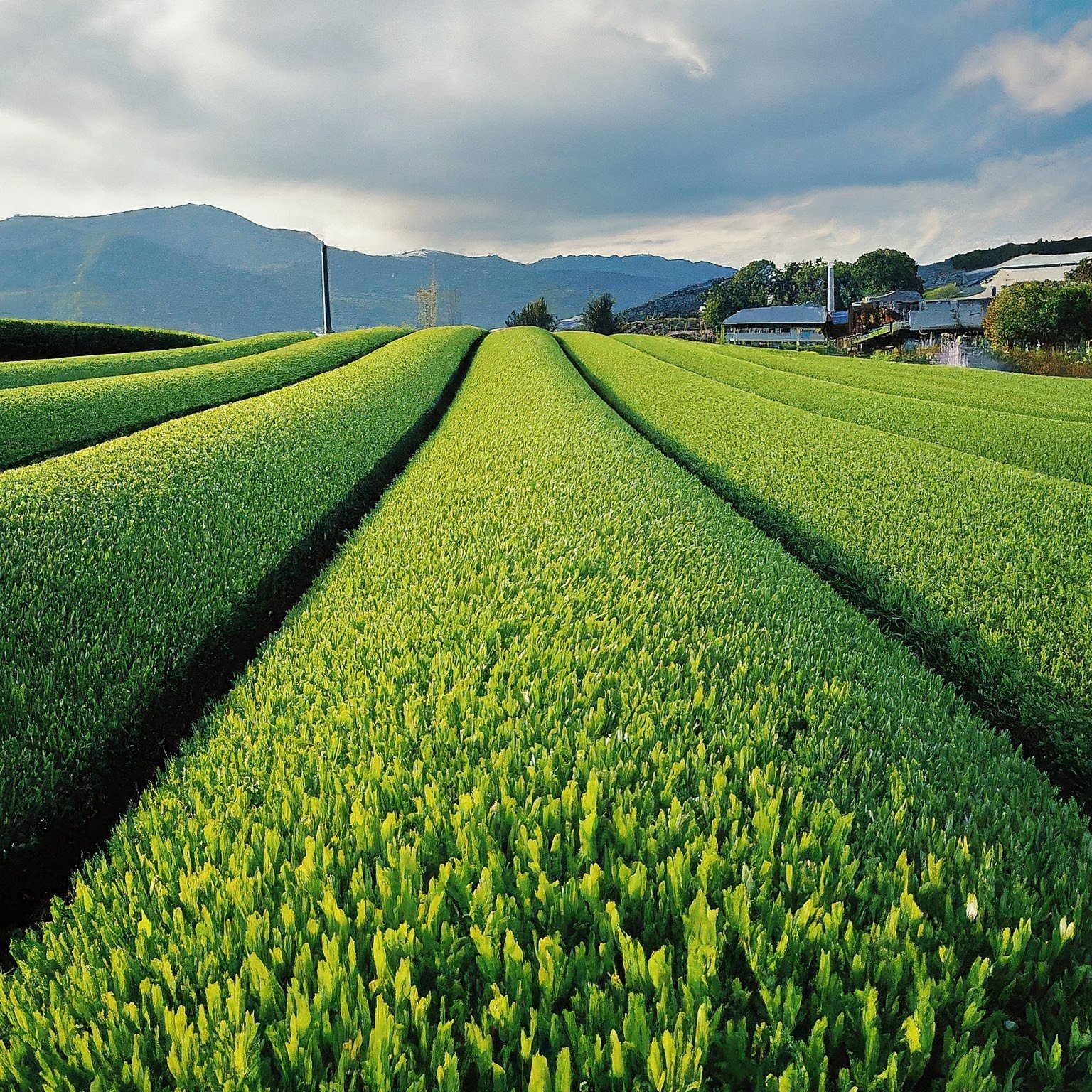
    Japan’s tea plantations are more than just fields of greenery; they are a testament to centuries of tradition, meticulous craftsmanship, and a deep cultural heritage. From the lush fields of Shizuoka to the renowned plantations of Uji, Japan’s tea-growing regions offer a rich tapestry of history and exquisite flavors. In this article, we will delve into the history, regions, cultivation methods, and significance of tea plantations in Japan, providing a comprehensive guide to this vital aspect of Japanese culture.

    History of Tea in Japan

    Tea was first introduced to Japan from China in the early 9th century by Buddhist monks. The cultivation and consumption of tea were initially limited to the nobility and religious ceremonies. However, during the Kamakura period (1185-1333), tea cultivation began to spread more widely, thanks in part to the efforts of the monk Eisai, who promoted tea for its health benefits.

    By the 16th century, the Japanese tea ceremony, or Chanoyu, had been established, largely influenced by tea master Sen no Rikyu. This period also saw the development of various tea-growing regions, each producing unique and high-quality teas.

    Major Tea-Growing Regions in Japan

    Japan’s diverse climate and geography allow for the cultivation of various types of tea, each with distinct characteristics. Here are some of the most prominent tea-growing regions:

    1. Shizuoka Prefecture: Located on the Pacific coast, Shizuoka is Japan’s largest tea-producing region, accounting for about 40% of the country’s tea. The region’s mild climate and well-drained soil are ideal for tea cultivation. Shizuoka is known for producing a wide range of teas, including Sencha, Fukamushi Sencha, and Matcha.
    2. Uji, Kyoto Prefecture: Uji is one of the oldest and most famous tea-growing regions in Japan. It is renowned for its high-quality Matcha and Gyokuro teas. The region’s rich history in tea cultivation dates back to the 12th century, and Uji tea is often associated with the Japanese tea ceremony.
    3. Kagoshima Prefecture: Located in the southern part of Japan, Kagoshima has a warm climate that supports year-round tea cultivation. The region is known for producing deep-steamed Sencha (Fukamushi Sencha) and Kabusecha. Kagoshima’s teas are recognized for their rich flavor and deep green color.
    4. Shiga Prefecture: This region is known for producing high-quality tea leaves used in the production of Tencha, which is ground into Matcha. Shiga’s unique climate and soil conditions contribute to the distinctive flavor of its teas.

    Cultivation Methods

    Japanese tea cultivation is characterized by meticulous care and traditional methods that have been refined over centuries. Key cultivation practices include:

    1. Shading: For certain types of tea, such as Gyokuro and Matcha, tea plants are shaded from direct sunlight for about three weeks before harvest. This process increases chlorophyll production, resulting in a vibrant green color and a higher concentration of amino acids, which enhance the tea’s sweetness and umami flavor.
    2. Hand-Picking: High-quality Japanese teas are often hand-picked to ensure that only the youngest and most tender leaves are harvested. This labor-intensive process helps maintain the quality and flavor of the tea.
    3. Steaming: After harvesting, the tea leaves are quickly steamed to prevent oxidation. This method preserves the leaves’ green color and fresh flavor, distinguishing Japanese green teas from Chinese green teas, which are typically pan-fired.
    4. Rolling and Drying: The steamed leaves are rolled and shaped to release their natural oils and enhance their flavor. The leaves are then dried to reduce moisture content and prepare them for storage and packaging.

    Significance of Japanese Tea Plantations

    Japanese tea plantations are not just agricultural sites; they are cultural landmarks that embody the essence of Japanese tradition and hospitality. Tea is deeply woven into the fabric of Japanese society, from daily consumption to elaborate tea ceremonies. The significance of these plantations extends beyond the production of tea leaves to include:

    1. Cultural Heritage: Tea plantations preserve traditional cultivation methods and practices that have been passed down through generations. They are living museums that showcase the artistry and craftsmanship involved in tea production.
    2. Economic Importance: Tea is a vital agricultural product for Japan, providing livelihoods for thousands of farmers and contributing significantly to the country’s economy. Regions like Shizuoka and Uji are economically reliant on tea cultivation and tourism.
    3. Tourism and Education: Tea plantations attract tourists and tea enthusiasts from around the world. Visitors can tour the fields, participate in tea-picking activities, and learn about the tea-making process. These experiences foster a deeper appreciation for Japanese tea culture and its global influence.

    Visiting Japanese Tea Plantations

    For those interested in experiencing Japanese tea culture firsthand, visiting a tea plantation is a must. Many plantations offer guided tours, tea tastings, and hands-on experiences such as tea picking and tea ceremony demonstrations. Some notable places to visit include:

    1. Obubu Tea Farm in Wazuka, Kyoto: Known for its educational tours and immersive experiences, Obubu Tea Farm allows visitors to explore the tea fields and learn about the entire tea-making process.
    2. Tea Museum in Shizuoka: This museum offers insights into the history and cultivation of tea in Shizuoka. Visitors can participate in tea ceremonies and taste various types of Shizuoka tea.
    3. Marukyu-Koyamaen in Uji: A prestigious tea producer, Marukyu-Koyamaen offers tours that include a visit to their tea fields and a Matcha-making workshop.

    Conclusion

    Japanese tea plantations are a blend of nature, tradition, and meticulous craftsmanship. They are the heart of Japan’s tea culture, producing some of the finest teas in the world. Whether you’re a tea connoisseur or a curious traveler, exploring these plantations offers a unique opportunity to connect with Japan’s rich cultural heritage and appreciate the intricate process that goes into every cup of tea.