Category: English Vocabulary

  • English Vocabulary on Vegetables: Learn and Practice with Examples

    English Vocabulary on Vegetables: Learn and Practice with Examples

    English Vocabulary on Vegetables: Learn and Practice with Examples


    Learning English vocabulary related to vegetables is not only useful for daily conversations but also fun and engaging. In this article, we will explore a list of common vegetables along with their examples in sentences to help you understand and use these words effectively. Whether you are a beginner or looking to expand your vocabulary, this guide will be helpful. Additionally, we will include a conversation about them, and a quiz at the end of the session.

    Vegetables Vocabulary List

    Broccoli1. Asparagus

    Asparagus is a green, spear-shaped vegetable known for its tender texture and distinct flavor.

    Example in sentence: Roasted asparagus with lemon is a simple and delicious side dish.

    Bell Pepper

    2. Bell Pepper

    Bell Pepper is a colorful vegetable that can be green, red, yellow, or orange, known for its sweet and mild flavor.

    Example in sentence: She stuffed the bell peppers with rice and ground beef.

    Broccoli

    3. Broccoli

    Broccoli is a green vegetable with a tree-like structure, high in vitamins and minerals.

    Example in sentence: Steamed broccoli is a healthy side dish for any meal.

    Cabbage

    4. Cabbage

    Cabbage is a leafy green, red, or white vegetable often used in salads, soups, and stir-fries.

    Example in sentence: She made coleslaw using fresh cabbage and carrots.

    Carrot

    5. Carrot


    Carrot is a root vegetable, typically orange in color, crunchy, and sweet.

    Example in sentence: She added sliced carrots to the salad for extra crunch.


    Cauliflower

    6. Cauliflower

    Cauliflower is a white, broccoli-like vegetable often used as a low-carb substitute in recipes.

    Example in sentence: She made cauliflower rice as a healthy alternative to regular rice.

    Celery

    7. Celery

    Celery is a crunchy, green stalk vegetable often used in soups, salads, and as a snack.

    Example in sentence: Celery sticks with peanut butter make a healthy snack.


    8. Corn

    Corn is a cereal grain with kernels that can be eaten on the cob or used in a variety of dishes.

    Example in sentence: Grilled corn on the cob is a popular summer treat.


    Cucumber

    9. Cucumber

    Cucumber is a long, green vegetable with a crisp texture, often eaten raw in salads.

    Example in sentence: She made a refreshing cucumber salad for the summer picnic.

    Eggplant

    10. Eggplant

    Eggplant is a purple, spongy vegetable often used in Mediterranean and Asian cuisines.

    Example in sentence: Eggplant Parmesan is one of my favorite Italian dishes.

    Dialogue 1

    Click the play button on the audio below to listen to the dialogue!

    Tom: Hi, Stevie! I’m planning to make various dishes with the vegetables in my kitchen. Do you have any suggestions?

    Stevie: Hi, Tom! Sure, I enjoy creating different culinary creations. What vegetables do you have?

    Tom: I have some asparagus, bell peppers, broccoli, and cabbage.

    Stevie: That’s a great start! You can roast the asparagus with some lemon. Bell peppers add a nice crunch and sweetness. Broccoli is great steamed, and you can shred the cabbage for a coleslaw.

    Tom: That sounds delicious. Should I add anything else?

    Stevie: If you have carrots, they can add a sweet crunch. Cauliflower is also a good option; you can use it as a low-carb rice substitute. Do you have any celery?

    Tom: Yes, I do. Celery sticks are perfect for a crunchy snack. I also have some corn.

    Stevie: Corn is great grilled on the cob. What about cucumbers?

    Tom: Yes, I have cucumbers. I can make a refreshing cucumber salad.

    Stevie: Perfect! About the eggplant, you can make a Parmesan dish.

    Tom: Great ideas! Stevie, thanks for your help.

    Stevie: No problem, Tom. Enjoy making your dishes!


    Garlic

    11. Garlic


    Garlic is a small, pungent bulb used to add flavor to many dishes, known for its health benefits.

    Example in sentence: Garlic bread is a favorite side dish for pasta.

    Kale

    12. Kale

    Kale is a dark, leafy green vegetable high in vitamins and minerals, often used in salads and smoothies.

    Example in sentence: She added kale to her morning smoothie for an extra boost of nutrients.

    Lettuce

    13. Lettuce

    Lettuce is a leafy green vegetable commonly used in salads and sandwiches.

    Example in sentence: The lettuce added a nice crunch to the turkey sandwich.


    Onion

    14. Onion

    Onion is a bulb vegetable with a pungent flavor and aroma, used as a base in many dishes.

    Example in sentence: Chopping onions always makes me cry.


    Peas

    15. Peas

    Peas are small, green, round seeds that grow in pods, commonly used in soups and salads.

    Example in sentence: Peas and carrots are a classic side dish combination.


    Potato

    16. Potato

    Potato is a starchy tuber that is a staple food in many cultures, often boiled, baked, or fried.

    Example in sentence: We baked potatoes in the oven with a sprinkle of rosemary and olive oil.

    Spinach

    17. Spinach

    Spinach is a leafy green vegetable rich in iron and vitamins, often used in salads and cooked dishes.

    Example in sentence: Popeye loved to eat spinach to gain his super strength.

    Sweet Potato

    18. Sweet Potato

    Sweet potato is a starchy, sweet-tasting root vegetable often baked or mashed.

    Example in sentence: Sweet potato fries are a healthier alternative to regular fries.


    Tomato

    19. Tomato

    Tomato is a red, pulpy fruit often considered a vegetable, commonly used in salads and cooking.

    Example in sentence: Fresh tomatoes are a key ingredient in a classic Italian bruschetta.

    Zucchini

    20. Zucchini

    Zucchini is a green summer squash with a mild flavor, often used in cooking and baking.

    Example in sentence: She baked zucchini bread using fresh zucchini from her garden.

    Dialogue 2

    Click the play button on the audio below to listen to the dialogue!

    Tom: Hey, Stevie! I’m back with more vegetables for my dishes. I need some advice again.

    Stevie: Hi, Tom! Sure, what do you have this time?

    Tom: I have garlic, kale, lettuce, and onions.

    Stevie: Excellent! Garlic can add a lot of flavor. Kale is super nutritious and great in smoothies or salads. Lettuce is a classic base for salads, and onions can give a nice kick.

    Tom: I also have peas and potatoes. What can I do with those?

    Stevie: Peas are great in salads or as a side dish with carrots. Potatoes can be baked, boiled, or made into fries. They are very versatile.

    Tom: What about spinach and sweet potatoes?

    Stevie: Spinach is perfect for a salad or cooked dishes, and it’s very healthy. Sweet potatoes are fantastic when baked or mashed. They’re a great alternative to regular potatoes.

    Tom: Lastly, I have tomatoes and zucchini.

    Stevie: Tomatoes are a must in any salad, and they are great in bruschetta. Zucchini can be used in cooking or baking; zucchini bread is delicious.

    Tom: Awesome! Thanks for the tips again, Stevie. I’m excited to make my dishes.

    Stevie: Anytime, Tom. Enjoy your cooking.

    Quiz

    Test your mastery on the material above by doing the following quiz!

  • English Vocabulary on Fruit: Learn and Practice with Examples

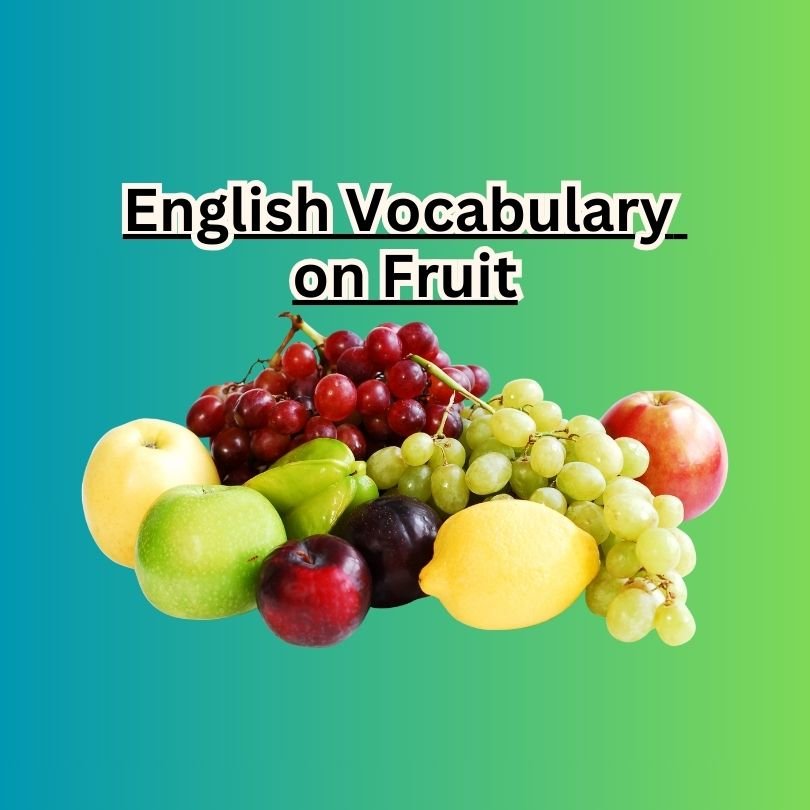
    English Vocabulary on Fruit: Learn and Practice with Examples

    English Vocabulary on Fruit: Learn and Practice with Examples

    Learning English vocabulary related to fruit is not only useful for daily conversations but also fun and engaging. In this article, we will explore a list of common fruits along with their examples in sentences to help you understand and use these words effectively. Whether you are a beginner or looking to expand your vocabulary, this guide will be helpful. Additionally, we will include a conversation between two people discussing all these fruits.

    Fruit Vocabulary List

    1. AppleApple


    Apple is a round fruit with red, green, or yellow skin and a firm white flesh.

    Example in sentence: I eat an apple every day as a healthy snack.

    1. AvocadoAvocado

    Avocado is a fruit with green, bumpy skin, creamy flesh, and a large pit inside.

    Example in sentence: Avocados are a great source of healthy fats and are delicious in guacamole.

    1. BananaBanana

    Banana is a long, curved fruit with yellow skin and soft, sweet flesh.

    Example in sentence: Bananas are rich in potassium and make a great breakfast option.

    1. Blueberry Blueberry

    Blueberry is a small, round fruit with blue or purple skin and a sweet flavor.

    Example in sentence: Blueberries are perfect for adding to cereal or yogurt.

    1. Cherry Cherry

    Cherry is a small, round fruit with red or dark red skin and a sweet or tart flavor.

    Example in sentence: He topped his ice cream with fresh cherries.

    1. CoconutCoconut

    Coconut is a large fruit with a hard, hairy shell, containing water and white flesh inside.

    Example in sentence: Coconut water is very refreshing and the flesh is delicious in curries and desserts.

    1. GrapesGrapes

    Grapes are small, round fruits that grow in clusters on vines, available in green, red, or black varieties.

    Example in sentence: He loves to snack on grapes while watching TV.

    1. KiwiKiwi

    Kiwi is a small, brown, fuzzy fruit with bright green flesh and tiny black seeds inside.

    Example in sentence: Kiwis are packed with vitamins and make a tasty addition to fruit salads.

    1. LemonLemon

    Lemon is a yellow citrus fruit with a sour taste, often used for its juice.

    Example in sentence: She added a slice of lemon to her tea for extra flavor.

    1. MangoMango

    Mango is a tropical fruit with a smooth, yellow or orange skin, sweet orange flesh, and a large pit inside.

    Example in sentence: Mangoes are my favorite fruit because they are so juicy and sweet.

    1. OrangeOrange

    Orange is a citrus fruit with a tough, bright orange skin and juicy, segmented flesh.

    Example in sentence: She squeezed fresh oranges to make a delicious glass of orange juice.

    1. PapayaPapaya

    Papaya is a tropical fruit with green or orange skin, orange flesh, and black seeds.

    Example in sentence: Papayas are often used in smoothies and salads for their sweet flavor.

    1. PeachPeach

    Peach is a round fruit with fuzzy skin, typically yellow or pinkish, and sweet, juicy flesh.

    Example in sentence: She made a delicious peach cobbler for dessert.

    1. PearPear

    Pear is sweet a fruit with a thin skin and a soft, grainy flesh, typically green, yellow, or brown.

    Example in sentence: Pears are delicious when eaten fresh or cooked in desserts.

    1. PineapplePineapple

    Pineapple is a tropical fruit with rough, spiky skin and sweet, juicy, yellow flesh.

    Example in sentence: She added pineapple chunks to her fruit salad for a tropical twist.

    1. PlumPlum

    Plum is a small, round fruit with smooth skin and sweet flesh, often purple, red, or yellow.

    Example in sentence: She enjoys eating plums as a healthy snack in the afternoon.

    1. PomegranatePomegranate

    Pomegranate is a round fruit with a tough red skin and many seeds surrounded by juicy red flesh.

    Example in sentence: She sprinkled pomegranate seeds on her salad for added crunch and flavor.

    1. RaspberryRaspberry

    Raspberry is a small, red or black fruit with a sweet and slightly tart flavor, made up of many tiny drupelets.

    Example in sentence: Raspberries are great for making jams and desserts.

    1. StrawberryStrawberry

    Strawberry is a small, red fruit with tiny seeds on its surface and a sweet, juicy flavor.

    Example in sentence: We picked fresh strawberries from the farm and made strawberry jam.

    1. Watermelon

    watermelon

    Watermelon is a large fruit with a hard green rind, sweet, juicy red flesh, and black seeds.

    Example in sentence: Watermelon is a refreshing treat on a hot summer day.

    Conversation Using the Fruit Vocabulary

    Alex: Hey Jamie, have you tried any new fruits lately?

    Jamie: Hi Alex! Actually, yes. I just tried a new variety of apple. It was really crisp and sweet. Do you eat apples often?

    Alex: Yeah, I do. I usually have an apple as a healthy snack every day. How about bananas? They’re my go-to for breakfast.

    Jamie: Bananas are great! They’re so convenient and rich in potassium. Speaking of breakfast, I love starting my day with a glass of freshly squeezed orange juice.

    Alex: That sounds refreshing! I like oranges too, especially when I make fruit salads. Have you had any strawberries this season?

    Jamie: Yes, I picked some fresh strawberries from a local farm last weekend. They were so juicy and sweet. I also bought some grapes; they make a perfect snack while watching TV.

    Alex: Grapes are awesome. I usually go for the green ones. By the way, do you like mangoes? They’re my favorite tropical fruit.

    Jamie: Absolutely, mangoes are delicious! I love their juicy and sweet taste. Another tropical fruit I enjoy is pineapple. I often add pineapple chunks to my fruit salads.

    Alex: Pineapple adds a nice tropical twist to any dish. I’ve also been into blueberries lately. They’re perfect for adding to my cereal or yogurt.

    Jamie: Blueberries are packed with antioxidants. For a summer treat, nothing beats a slice of watermelon on a hot day.

    Alex: Watermelon is definitely a summer favorite. Have you tried kiwi? They’re small but packed with vitamins.

    Jamie: Yes, kiwis are great. I love their tangy flavor. And speaking of tangy, I recently made a peach cobbler. It turned out delicious!

    Alex: Peach cobbler sounds amazing! I enjoy peaches fresh or in desserts. Do you like cherries?

    Jamie: I do! Fresh cherries are perfect for topping ice cream or just eating by themselves. Have you tried papaya?

    Alex: Yes, I love adding papaya to my smoothies. It’s so sweet and refreshing. I also enjoy adding a slice of lemon to my tea for some extra flavor.

    Jamie: Lemons are so versatile. I use them in cooking a lot. Another fruit I love is avocado. It’s great in salads or as guacamole.

    Alex: Avocados are a fantastic source of healthy fats. I recently discovered pomegranate seeds. They add a nice crunch to salads.

    Jamie: Pomegranates are delicious and packed with antioxidants. I also enjoy pears, especially when they’re ripe and juicy.

    Alex: Pears are great! They’re delicious fresh or cooked in desserts. Have you tried plums? They’re perfect as a healthy snack.

    Jamie: Yes, plums are tasty. I like them for their sweet flesh. For a slightly tart flavor, I go for raspberries. They’re perfect for making jams.

    Alex: Raspberries are great for desserts too. And lastly, I love coconut water. It’s so refreshing, and the flesh is delicious in curries.

    Jamie: Coconut water is indeed refreshing. It’s amazing how many different fruits there are to enjoy. Each one has its unique flavor and benefits.

    Alex: Absolutely! Fruits are nature’s candy, and they’re so good for us. I’m glad we talked about all these delicious options.

    Jamie: Me too! Now I’m craving a fruit salad with all these fruits. Let’s make one together sometime.

    Alex: That sounds like a plan! I’m looking forward to it.

    Conclusion

    Learning fruit vocabulary is an excellent way to enhance your English skills and make your conversations more colorful. Practice using these words in sentences to improve your fluency and confidence.

  • How to Master English Vocabulary Easily

    How to Master English Vocabulary Easily

    How to Master English Vocabulary Easily

    Mastering English vocabulary can seem like a daunting task, but with the right strategies and techniques, it can become an enjoyable and rewarding experience. Whether you are a student, a professional, or simply someone who loves learning languages, improving your vocabulary can greatly enhance your communication skills. In this article, we will explore effective methods to master English vocabulary easily.

    1. Start with the Basics

    Building a Strong Foundation

    Before diving into complex words, it is essential to have a strong grasp of basic vocabulary. Focus on learning common words and phrases that are frequently used in everyday conversations. This foundation will help you understand and remember more advanced vocabulary as you progress.

    2. Read Regularly

    Immersion Through Reading

    Reading is one of the most effective ways to improve your vocabulary. Choose a variety of reading materials such as books, newspapers, magazines, and online articles. Pay attention to new words and their contexts, and make a habit of looking up their meanings. Over time, you will find that you naturally start using these words in your own speech and writing.

    3. Use Flashcards

    Visual Learning with Flashcards

    Flashcards are a powerful tool for memorizing new words. Write the word on one side of the card and its definition on the other. You can also include an example sentence to see the word in context. Review your flashcards regularly to reinforce your memory. There are also many apps available that offer digital flashcards, making it easy to learn on the go.

    4. Engage in Conversations

    Practice Makes Perfect

    Practicing speaking with others is a great way to reinforce your vocabulary. Engage in conversations with native speakers or fellow learners. Join language exchange programs, discussion groups, or online forums where you can practice using new words in a meaningful context. The more you use new vocabulary in conversation, the more natural it will become.

    5. Keep a Vocabulary Journal

    Document Your Learning

    Keeping a vocabulary journal is an excellent way to track your progress. Write down new words, their definitions, and example sentences. Review your journal regularly to reinforce your learning. You can also categorize words by themes or topics to make it easier to study related vocabulary.

    6. Play Word Games

    Learning Through Fun

    Word games can make learning vocabulary fun and engaging. Games like Scrabble, crossword puzzles, and word searches challenge you to think about words and their meanings. These games not only help you learn new words but also improve your spelling and word recall.

    7. Use Mnemonic Devices

    Memory Aids

    Mnemonic devices are memory aids that help you remember new words by associating them with familiar concepts. For example, to remember the word “gregarious,” you might think of “Greg” who is always sociable and loves being in groups. Creating vivid mental images or associations can make it easier to recall new vocabulary.

    8. Watch Movies and TV Shows

    Learn Through Entertainment

    Watching movies and TV shows in English can expose you to new vocabulary in an entertaining way. Pay attention to the dialogue and try to understand the context in which new words are used. Subtitles can be helpful, especially if you are a beginner. This method also helps improve your listening skills and pronunciation.

    9. Listen to Podcasts and Audiobooks

    Enhance Listening Skills

    Podcasts and audiobooks are excellent resources for learning new vocabulary. Choose topics that interest you, and listen to how words are used in different contexts. Repeating what you hear and noting down new words can significantly enhance your vocabulary and listening comprehension.

    10. Consistency is Key

    Regular Practice

    Consistency is crucial when it comes to mastering vocabulary. Set aside time each day to practice and review new words. Even a few minutes of daily practice can lead to significant improvement over time. Remember, learning a language is a marathon, not a sprint.

    By incorporating these strategies into your daily routine, you can master English vocabulary with ease and confidence. Happy learning!