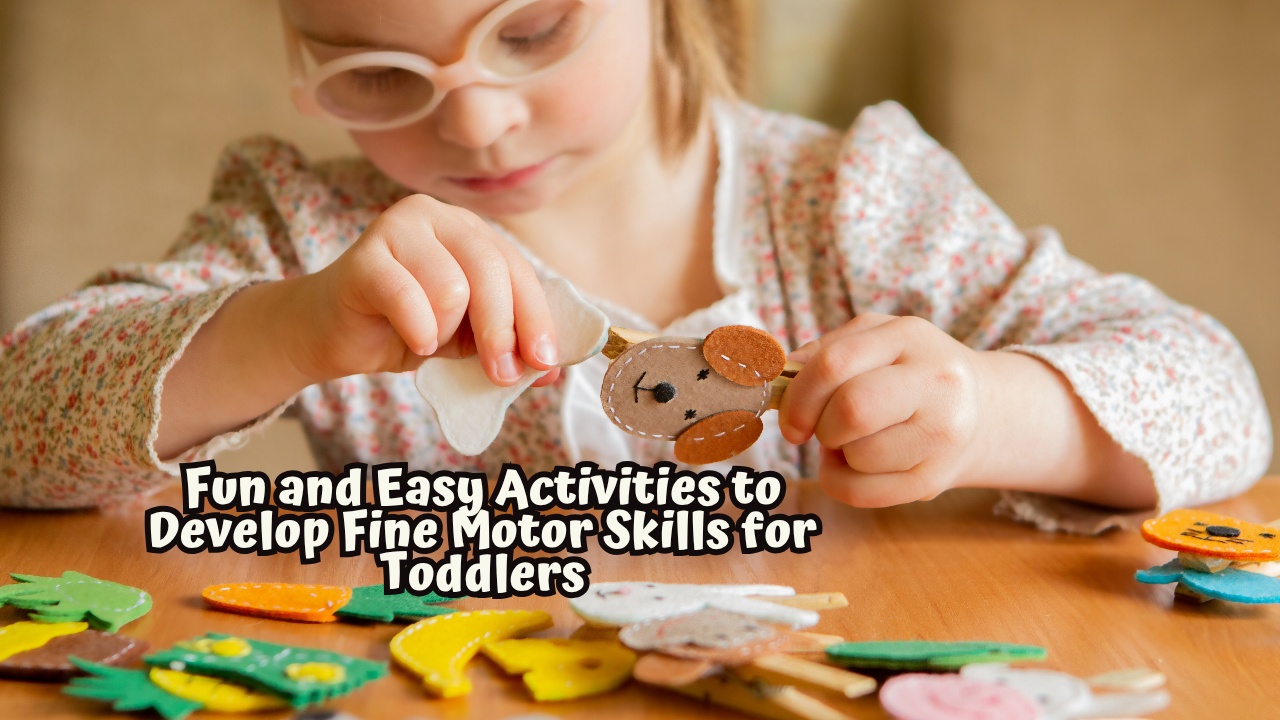


Fun and Easy Activities to Develop Fine Motor Skills for Toddlers
Fine motor skills are the small movements that children make using their hands and fingers. These skills are important for everyday tasks such as holding a spoon, buttoning clothes, drawing, and writing. For toddlers, fine motor skills are still developing, so they need regular practice. The good news is that this practice can be fun and simple. With the right activities, parents can help their children build these skills in an enjoyable way at home.
To begin with, playing with playdough is one of the easiest and most effective activities. Toddlers can squeeze, roll, and shape the dough using their hands and fingers. These actions help strengthen the small muscles in their hands. Parents can also encourage children to make simple shapes like balls or snakes. This not only builds strength but also improves coordination.


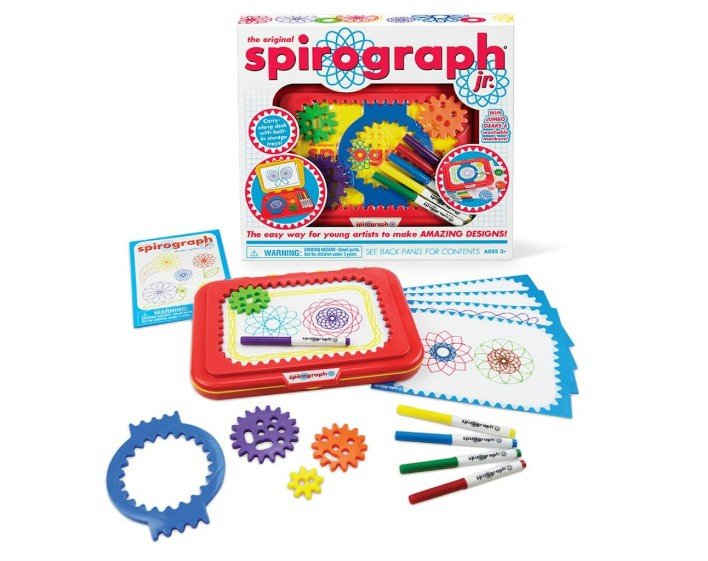

GET Spirograph Jr. Art Kit – Creative Spiral Drawing for Kids HERE
Next, drawing and coloring are excellent for fine motor development. Giving toddlers crayons or colored pencils allows them to practice holding and controlling objects. At first, their drawings may be simple scribbles, but this is an important step in learning. Parents can support this activity by providing paper and encouraging children to draw freely. Over time, children will gain better control and begin to create clearer shapes.
In addition, tearing and pasting paper is a fun and creative activity. Toddlers can tear pieces of paper and glue them onto another sheet to make a collage. Tearing paper helps improve finger strength, while pasting helps develop hand-eye coordination. This activity also allows children to express their creativity.
Another simple activity is playing with building blocks. When toddlers pick up, stack, and arrange blocks, they practice using their fingers carefully. This helps improve both strength and coordination. Building towers or simple structures also encourages problem-solving and focus.
Furthermore, using everyday objects can be very helpful. For example, parents can give toddlers safe kitchen tools like plastic spoons or cups. Activities such as pouring water, scooping rice, or transferring objects from one container to another help improve control and precision. These tasks may seem simple, but they are very effective for developing fine motor skills.
Threading activities are also very useful. Toddlers can practice putting large beads onto a string or placing pasta onto a stick. This requires careful hand movements and concentration. As a result, children improve their coordination and patience. It is important to use large and safe materials to avoid any risk.
Another enjoyable activity is using stickers. Peeling and placing stickers may seem easy, but it requires careful finger control. Toddlers learn how to use their fingers in a precise way. Parents can create simple games, such as asking children to place stickers on certain shapes or pictures.
In addition, simple puzzles can support fine motor development. Toddlers can pick up and place puzzle pieces into the correct spots. This activity improves hand control, coordination, and problem-solving skills. Choosing puzzles with large pieces makes it easier and safer for young children.
Parents can also introduce basic self-care activities. For example, practicing how to button large buttons, zip a jacket, or use a spoon can help develop fine motor skills. Although these tasks may take time, they are very valuable for building independence and confidence.
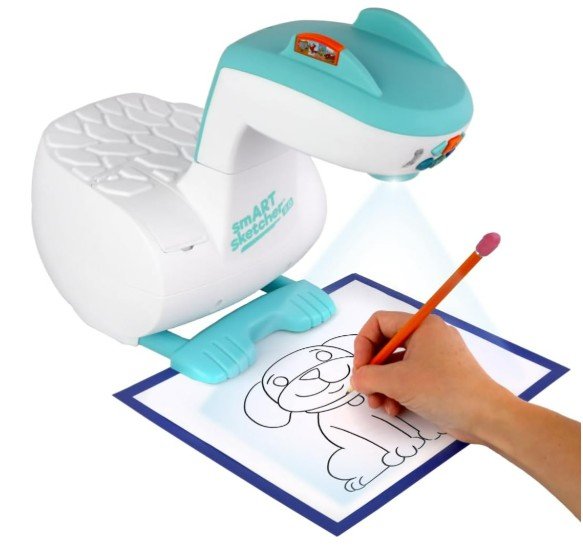

Smart Sketcher 2.0 Projector – Kids Drawing & Tracing Toy
It is important to remember that every child develops at their own pace. Parents should be patient and provide encouragement rather than pressure. Praise and positive feedback can help children feel confident and motivated to try again. Short and regular practice is more effective than long and tiring sessions.
All in all, developing fine motor skills in toddlers does not require expensive tools or complicated lessons. Simple activities like playing with playdough, drawing, tearing paper, and using everyday objects can make a big difference. By making these activities fun and part of daily routines, parents can support their children’s development in a natural and enjoyable way.