Tag: English language immersion

  • How to Master English Speaking Skill Easily

    How to Master English Speaking Skill Easily

    How to Master English Speaking Skill Easily

    Mastering English speaking skills is a crucial aspect of becoming fluent in the language. Being able to speak confidently and clearly can open up numerous opportunities in both personal and professional spheres. Here are some effective strategies to help you master English speaking skills easily.

    1. Practice Regularly

    Consistency is Key

    The most effective way to improve your speaking skills is to practice regularly. Consistency helps in reinforcing what you’ve learned and building your confidence. Set aside time each day to practice speaking, even if it’s just for a few minutes.

    Tips:

    • Practice speaking aloud to yourself.
    • Record your speech and listen to it to identify areas for improvement.
    • Set daily or weekly goals for your speaking practice.

    2. Engage in Conversations

    Real-life Practice

    Engaging in conversations with native speakers or fellow learners is one of the best ways to improve your speaking skills. Real-life practice allows you to use new vocabulary and grammatical structures in a meaningful context, making them easier to remember.

    Tips:

    • Join language exchange programs or conversation clubs.
    • Find a speaking partner who is also learning English.
    • Participate in group discussions or debates.

    3. Use Language Learning Apps

    Leverage Technology

    Language learning apps can be a great resource for improving your speaking skills. Many apps offer interactive speaking exercises, pronunciation guides, and instant feedback, which can help you improve quickly.

    Tips:

    • Use apps like Duolingo, Babbel, or Rosetta Stone.
    • Take advantage of speech recognition features to improve your pronunciation.
    • Use apps consistently to track your progress.

    4. Watch Movies and TV Shows

    Learn Through Entertainment

    Watching movies and TV shows in English can help you improve your speaking skills by exposing you to natural speech patterns, intonation, and pronunciation. Pay attention to how native speakers use expressions and idioms in different contexts.

    Tips:

    • Choose movies or shows with clear dialogue.
    • Mimic the speech of characters to practice pronunciation and intonation.
    • Use subtitles to understand the context and meaning of new words.

    5. Listen to Podcasts and Audiobooks

    Enhance Listening and Speaking

    Listening to podcasts and audiobooks can improve your speaking skills by exposing you to different accents, speech speeds, and conversational styles. Repeat phrases and sentences you hear to practice your pronunciation and fluency.

    Tips:

    • Choose podcasts and audiobooks on topics that interest you.
    • Pause and repeat difficult sections to practice speaking.
    • Try to mimic the speech patterns of the speakers.

    6. Read Aloud

    Practice Pronunciation

    Reading aloud is an excellent way to practice your pronunciation and improve your fluency. It helps you get used to the rhythm and flow of the English language, making it easier to speak naturally.

    Tips:

    • Read a variety of texts, including books, articles, and dialogues.
    • Focus on your pronunciation and intonation.
    • Record yourself reading aloud and listen for areas to improve.

    7. Learn and Use New Vocabulary

    Expand Your Lexicon

    Expanding your vocabulary is essential for effective communication. Make a habit of learning new words and phrases daily, and try to use them in your conversations.

    Tips:

    • Keep a vocabulary journal to track new words.
    • Learn words in context to understand their usage.
    • Use new vocabulary in sentences to reinforce your memory.

    8. Focus on Pronunciation and Accent

    Master the Sounds

    Good pronunciation is crucial for clear communication. Focus on mastering the sounds of English and practicing difficult words and phrases. Understanding different accents can also help you become a more effective communicator.

    Tips:

    • Use online resources to learn about phonetics and pronunciation.
    • Practice difficult sounds and words regularly.
    • Listen to speakers from different English-speaking countries.

    9. Join Public Speaking Groups

    Build Confidence

    Joining public speaking groups such as Toastmasters can help you build confidence and improve your speaking skills. These groups provide a supportive environment where you can practice speaking in front of others and receive constructive feedback.

    Tips:

    • Attend regular meetings and participate actively.
    • Take on speaking roles and challenges.
    • Learn from the feedback and experiences of other members.

    10. Practice with Language Tutors

    Personalized Guidance

    Working with a language tutor can provide personalized guidance and help you focus on specific areas of improvement. Tutors can offer tailored exercises, feedback, and support to help you achieve your speaking goals.

    Tips:

    • Choose a tutor who is a native speaker or highly proficient in English.
    • Set clear goals and communicate them to your tutor.
    • Take advantage of one-on-one sessions to practice speaking extensively.

    By incorporating these strategies into your daily routine, you can master English speaking skills with ease and confidence. Remember, practice and consistency are key to becoming a fluent and effective speaker. Happy learning!

  • How to Master English Listening Skill Easily

    How to Master English Listening Skill Easily

    How to Master English Listening Skill Easily

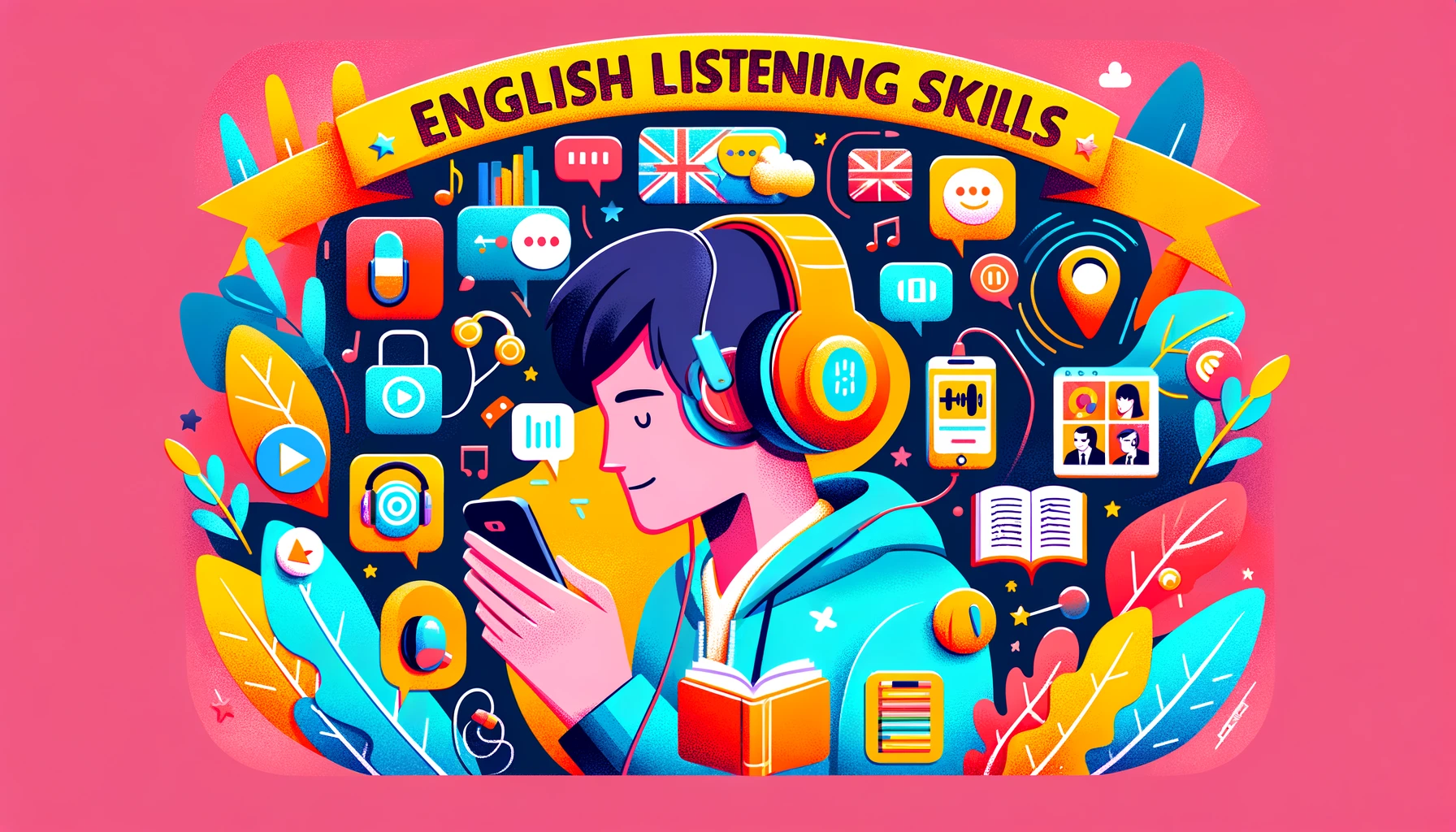
    Mastering English listening skills is a crucial component of becoming proficient in the language. Good listening skills can enhance your ability to understand and communicate effectively in both personal and professional settings. Here are some effective strategies to help you master English listening easily.

    1. Immerse Yourself in the Language

    Surround Yourself with English

    One of the best ways to improve your listening skills is to immerse yourself in the language. This means surrounding yourself with English as much as possible. Listen to English music, watch English movies and TV shows, and engage with English speakers. The more you expose yourself to the language, the more familiar you will become with its sounds, rhythms, and intonations.

    Tips:

    • Set aside time each day to listen to English content.
    • Choose materials that interest you to keep you motivated.
    • Use subtitles to help with comprehension if needed.

    2. Practice Active Listening

    Engage with the Content

    Active listening involves fully concentrating, understanding, responding, and remembering what you hear. This means being fully engaged with the content and not just passively hearing it. Take notes, summarize what you hear, and ask questions to clarify any doubts.

    Tips:

    • Focus on the speaker and avoid distractions.
    • Take notes on key points.
    • Summarize the content in your own words.

    3. Use a Variety of Listening Materials

    Diversify Your Listening Sources

    Using a variety of listening materials can expose you to different accents, vocabulary, and contexts. This can include podcasts, audiobooks, news broadcasts, and online courses. Each type of material will offer unique listening experiences and challenges.

    Tips:

    • Explore different genres and topics.
    • Listen to both formal and informal speech.
    • Adjust the playback speed if necessary.

    4. Engage in Conversations

    Practice with Others

    Engaging in conversations with native speakers or fellow learners can greatly enhance your listening skills. Conversations require you to listen and respond in real-time, which can improve your ability to understand spoken English in various contexts.

    Tips:

    • Join language exchange programs or conversation clubs.
    • Practice speaking with friends or family members who are proficient in English.
    • Use online platforms to find conversation partners.

    5. Use Technology to Your Advantage

    Leverage Language Learning Apps

    There are many apps available that can help you improve your listening skills. These apps often include interactive listening exercises, quizzes, and games that can make learning more engaging and effective.

    Tips:

    • Use apps like Duolingo, Babbel, or Rosetta Stone.
    • Set daily goals and track your progress.
    • Use apps during your commute or downtime.

    6. Watch Movies and TV Shows

    Learn Through Entertainment

    Watching movies and TV shows in English can be an enjoyable way to improve your listening skills. Pay attention to the dialogue, and try to understand the context in which new words and phrases are used. Subtitles can be a helpful tool, especially for beginners.

    Tips:

    • Choose movies or shows with clear dialogue.
    • Use subtitles in English to aid comprehension.
    • Rewatch scenes to catch details you might have missed.

    7. Listen to Podcasts and Audiobooks

    Enhance Your Listening Skills

    Podcasts and audiobooks are excellent resources for improving your listening skills. Choose topics that interest you, and listen to how words are used in different contexts. This method also helps improve your listening comprehension and vocabulary.

    Tips:

    • Listen to podcasts during your daily routine, like while commuting or exercising.
    • Choose audiobooks narrated by native speakers.
    • Replay difficult sections to better understand them.

    8. Focus on Pronunciation and Accent

    Understand Different Accents

    English is spoken with many different accents around the world. Exposure to various accents can improve your listening skills and help you understand different speakers. Practice mimicking the pronunciation and intonation of native speakers to get a better grasp of different accents.

    Tips:

    • Listen to speakers from different English-speaking countries.
    • Practice speaking with different accents.
    • Use online resources to learn about phonetics and pronunciation.

    9. Take Listening Quizzes

    Test Your Comprehension

    Listening quizzes can be a great way to test your comprehension and identify areas where you need improvement. Many language learning websites and apps offer listening quizzes that cover different levels of difficulty.

    Tips:

    • Take quizzes regularly to monitor your progress.
    • Focus on quizzes that match your skill level.
    • Review your mistakes and learn from them.

    10. Consistency is Key

    Practice Regularly

    Consistency is crucial when it comes to mastering listening skills. Set aside time each day to practice listening to English. Even a few minutes of daily practice can lead to significant improvement over time. Remember, learning a language is a marathon, not a sprint.

    Tips:

    • Establish a daily listening routine.
    • Set realistic goals and track your progress.
    • Celebrate your achievements to stay motivated.

    By incorporating these strategies into your daily routine, you can master English listening skills with ease and confidence. Happy learning!