




Understanding Chinese Tones (声调/shēngdiào) in Simple Terms
Learning Mandarin Chinese can be a fun and rewarding experience. However, one of the challenges that many beginners face is mastering the tones, or “声调” (shēngdiào). In Chinese, tones are crucial because they help distinguish the meanings of words. Even if two words sound the same, the tone can change their meanings completely. Let’s explore the four main tones in Mandarin and understand why they are so important.
The Four Tones
Mandarin Chinese has four primary tones, and each tone gives a word a different pitch or melody. Here’s a simple explanation of each tone:
- First Tone (阴平, yīnpíng): This is a high and flat tone. When you use the first tone, your voice stays at the same high pitch. Imagine you are singing a note, and your voice does not go up or down. For example, the word “mā” (妈) with the first tone means “mother.”
- Second Tone (阳平, yángpíng): The second tone is like asking a question in English. Your voice rises as if you are asking, “Really?” For example, “má” (麻) with the second tone means hemp or numb.
- Third Tone (上声, shǎngshēng): The third tone is a bit tricky. Your voice starts low, dips even lower, and then rises again. It’s like your voice is going down and up a hill. For example, “mǎ” (马) with the third tone means horse.
- Fourth Tone (去声, qùshēng): The fourth tone is sharp and quick. Your voice goes down fast, similar to giving a command. For example, “mà” (骂) with the fourth tone means to scold.
Why Are Tones Important?
In Mandarin, tones are essential because they can change the meaning of a word entirely. For instance, “mā” (mother) and “mà” (to scold) have different meanings even though they sound similar. If you use the wrong tone, it might confuse the listener or lead to misunderstandings.
Tips for Practicing Tones
- Listen and Repeat: Listen to native speakers and try to mimic their tones. Practicing with audio resources can help you get a feel for the tones.
- Practice with Words: Start by practicing tones with individual words before moving on to full sentences. This will help you focus on getting each tone right.
- Use Tone Markers: When you write down new words, include the tone marks (ˉ ˊ ˇ ˋ) to remind yourself of the correct tone.
By practicing regularly, you can become more confident in using tones, making your Mandarin more accurate and understandable. Happy learning!
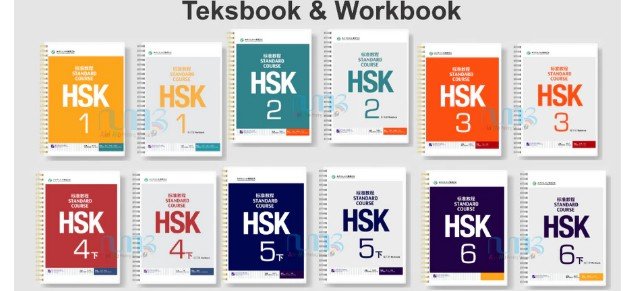
Klik pada gambar untuk mendapatkan Buku HSK 1-6 Standard Course (Textbook & Workbook) – 1 Set Full Bonus