


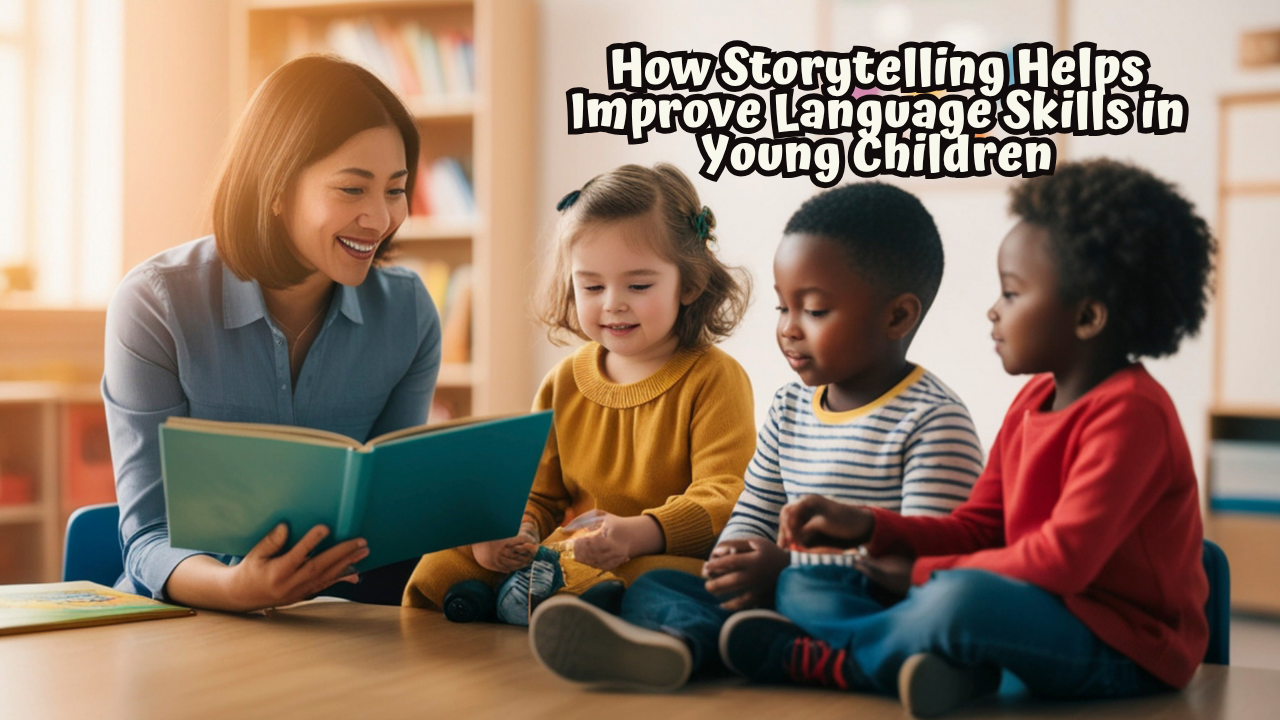
How Storytelling Helps Improve Language Skills in Young Children
Storytelling is one of the oldest and most powerful ways to teach and connect with others. For young children, storytelling is not only enjoyable but also very helpful for learning language. Through stories, children hear new words, learn how sentences are formed, and understand how ideas are connected. Because of this, storytelling plays an important role in improving language skills in early childhood.
To begin with, storytelling helps children build their vocabulary. When children listen to stories, they are exposed to many new words that they may not hear in daily conversation. For example, a story about animals might introduce words like “forest,” “climb,” or “hunt.” Even if children do not understand every word at first, repeated exposure helps them learn the meaning over time. In addition, storytellers often use gestures, pictures, or tone of voice to support understanding, which makes it easier for children to follow along.
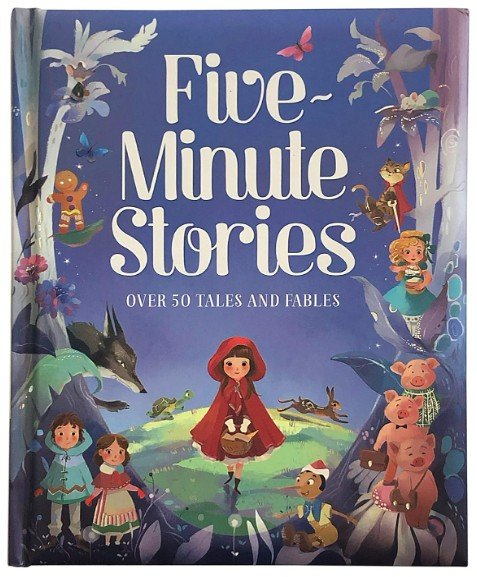
Get the Book of 5-Minute Stories for Kids – 50+ Tales & Bedtime Stories here
Next, storytelling helps children understand sentence structure. By listening to stories, children hear how sentences are formed and how words are arranged. This helps them learn grammar in a natural way. For instance, they begin to understand how to use verbs, adjectives, and simple connectors like “and,” “but,” or “because.” As a result, children gradually learn how to form their own sentences when they speak.
Moreover, storytelling improves listening skills. When children listen to a story, they need to pay attention in order to understand what is happening. They learn to follow the sequence of events, remember details, and predict what might happen next. These listening skills are very important for language development, as they support both understanding and communication.
In addition, storytelling encourages children to speak and express their ideas. After listening to a story, children often want to talk about it. They may answer questions, share their opinions, or even retell the story in their own words. This gives them a chance to practice speaking and use new vocabulary. Over time, this practice helps children become more confident in expressing themselves.
Storytelling also helps develop imagination and creativity. When children listen to stories, they create images in their minds. They imagine characters, places, and events, even if they cannot see them. This process supports creative thinking and helps children learn how to describe ideas using words. As their imagination grows, their ability to use language becomes richer and more expressive.
Furthermore, storytelling can create a strong emotional connection. Stories often include feelings such as happiness, fear, or excitement. When children relate to these emotions, they become more engaged and interested in the story. This emotional involvement helps them remember words and ideas more easily. It also encourages them to talk about their own feelings, which is an important part of language development.
Parents and teachers can use simple strategies to make storytelling more effective. For example, they can ask questions during or after the story, such as “What do you think will happen next?” or “Why is the character happy?” They can also encourage children to retell the story or create their own endings. Using pictures, puppets, or actions can make storytelling more interactive and fun.
It is also important to choose stories that are suitable for the child’s age and interest. Simple stories with clear pictures and repetitive patterns are very helpful for younger children. As children grow older, they can enjoy longer and more detailed stories. The key is to make storytelling a regular and enjoyable activity.
All in all, storytelling is a simple yet powerful way to improve language skills in young children. It helps build vocabulary, supports understanding of sentence structure, and improves listening and speaking skills. At the same time, it encourages imagination, creativity, and emotional expression. Therefore, parents and teachers should make storytelling a regular part of a child’s daily routine to support their language development in a fun and meaningful way.
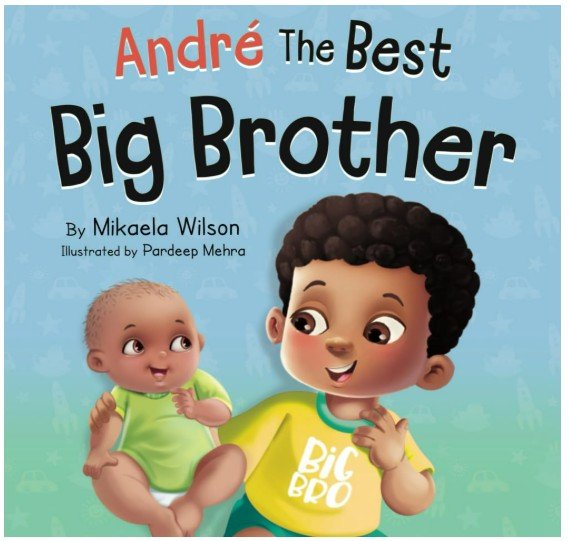
André the Best Big Brother – A Sweet Story for New Siblings