



Reading and Viewing Learning Materials of
Analytical Exposition Text 2
Renewable Energy
 |
 |
 |
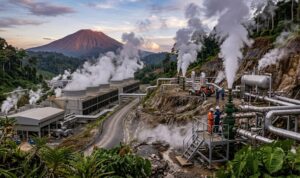 |
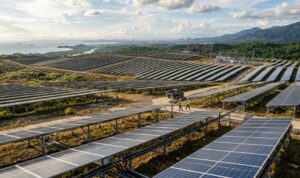
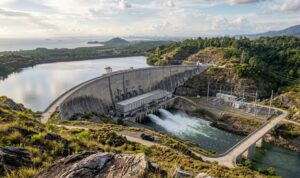
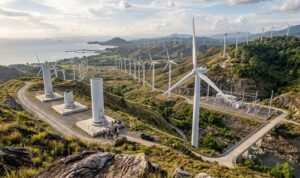
Pease answer the questions below!
- What types of renewable energy can you see?
- Where does this energy come from?
- What is renewable energy used for?
Pay attention to the following picture than answer the questions!
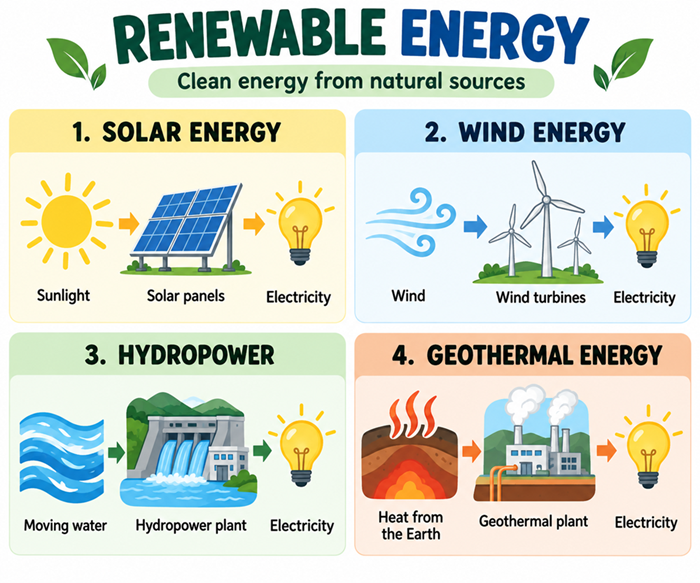
Please answer the following questions:
b. Key Vocabulary
Students learn the following vocabulary to help them understand the upcoming Analytical Exposition Text. The teacher demonstrates the pronunciation, and the students repeat each word or phrase after the teacher. The teacher explains the meaning of each vocabulary item and provides a simple example sentence to illustrate its use.
| No. | Vocabulary | Pronunciation | Meaning | Example in Sentence |
| 1 | renewable energy | /rɪˈnjuː.ə.bəl ˈen.ə.dʒi/ | energy from natural sources that are continuously replenished | Renewable energy comes from sources such as sunlight, wind, and water. |
| 2 | fossil fuels | /ˈfɒs.əl ˌfjuːəlz/ | fuels such as coal, oil, and natural gas formed from ancient organic matter | Fossil fuels are still widely used to produce energy. |
| 3 | greenhouse gas emissions | /ˈɡriːn.haʊs ɡæs ɪˈmɪʃ.ənz/ | gases released into the atmosphere that contribute to global warming | Renewable energy can help reduce greenhouse gas emissions. |
| 4 | solar panels | /ˈsəʊ.lə ˌpæn.əlz/ | devices that use sunlight to generate electricity | Solar panels generate electricity from sunlight. |
| 5 | wind turbines | /wɪnd ˈtɜː.baɪnz/ | machines that use wind to generate electricity | Wind turbines produce electricity without burning fuel. |
| 6 | natural resources | /ˈnætʃ.ər.əl rɪˈzɔː.sɪz/ | materials and sources provided by nature that people can use | The sun and wind are important natural resources for renewable energy. |
| 7 | naturally replenished | /ˈnætʃ.ər.ə.li rɪˈplen.ɪʃt/ | naturally replaced or restored after being used | Renewable energy sources are naturally replenished. |
| 8 | climate change | /ˈklaɪ.mət tʃeɪndʒ/ | long-term changes in the Earth’s climate and weather patterns | The use of fossil fuels contributes to climate change. |
| 9 | sustainable energy | /səˈsteɪ.nə.bəl ˈen.ə.dʒi/ | energy that can be used for a long time without seriously harming the environment or using up resources | Sustainable energy is important for meeting future energy needs. |
| 10 | economic development | /ˌiː.kəˈnɒm.ɪk dɪˈvel.əp.mənt/ | growth and improvement of a country’s economy and living conditions | Renewable energy can support economic development by creating new jobs. |
Renewable Energy Is Essential for a Sustainable Future
Energy plays an important role in modern life. People use energy for transportation, communication, industry, education, households, and many other daily activities. Cars, factories, schools, offices, and homes all depend on energy to operate. However, much of the world’s energy still comes from fossil fuels such as coal, oil, and natural gas. These sources are limited and can cause serious environmental problems. Renewable energy, which comes from natural sources such as sunlight, wind, water, and heat from the Earth, offers a viable alternative to traditional energy sources. As the world faces growing environmental and energy challenges, there are several reasons why shifting to renewable energy is essential for building a sustainable future.
Firstly, renewable energy helps reduce environmental pollution and greenhouse gas emissions. Fossil fuels produce large amounts of pollution when they are burned to generate energy. This pollution affects air quality and contributes to climate change. In contrast, renewable energy sources produce little or no air pollution during operation. For example, solar panels use sunlight to generate electricity without burning fuel, while wind turbines produce electricity without releasing smoke into the air. Therefore, using more renewable energy can help reduce pollution and protect the environment.
Moreover, renewable energy provides a sustainable source of energy because it comes from natural resources that are continuously available. Fossil fuels are limited, and their supplies decrease when people continue to use them. Renewable sources, however, are naturally replenished. The sun continues to provide sunlight, and wind and water remain available in many areas. In addition, renewable energy can provide electricity to communities that have limited access to traditional energy sources. For example, solar panels can provide electricity for remote communities where building large power networks is difficult. Therefore, renewable energy can help meet future energy needs without depending entirely on limited resources.
In addition, renewable energy supports economic development and reduces dependence on fossil fuels. The development of renewable energy creates opportunities for businesses and jobs in areas such as manufacturing, construction, installation, and maintenance. It also allows countries to use their own natural resources instead of depending heavily on imported fossil fuels. For example, countries with abundant sunlight can develop solar energy to support their electricity needs. However, the transition to renewable energy requires investment, suitable technology, and careful planning. With proper support, these challenges can be managed while creating long-term economic benefits.
In conclusion, renewable energy is essential for building a sustainable future. It helps reduce environmental pollution and greenhouse gas emissions, provides a sustainable source of energy, and supports economic development while reducing dependence on limited fossil fuels. Although the transition to renewable energy requires investment and careful planning, its benefits make it a viable and necessary choice for the future. For these reasons, renewable energy plays an essential role in meeting energy needs while protecting the environment and supporting a more sustainable future.