


Simple Ways to Teach Colors, Shapes, and Numbers at Home
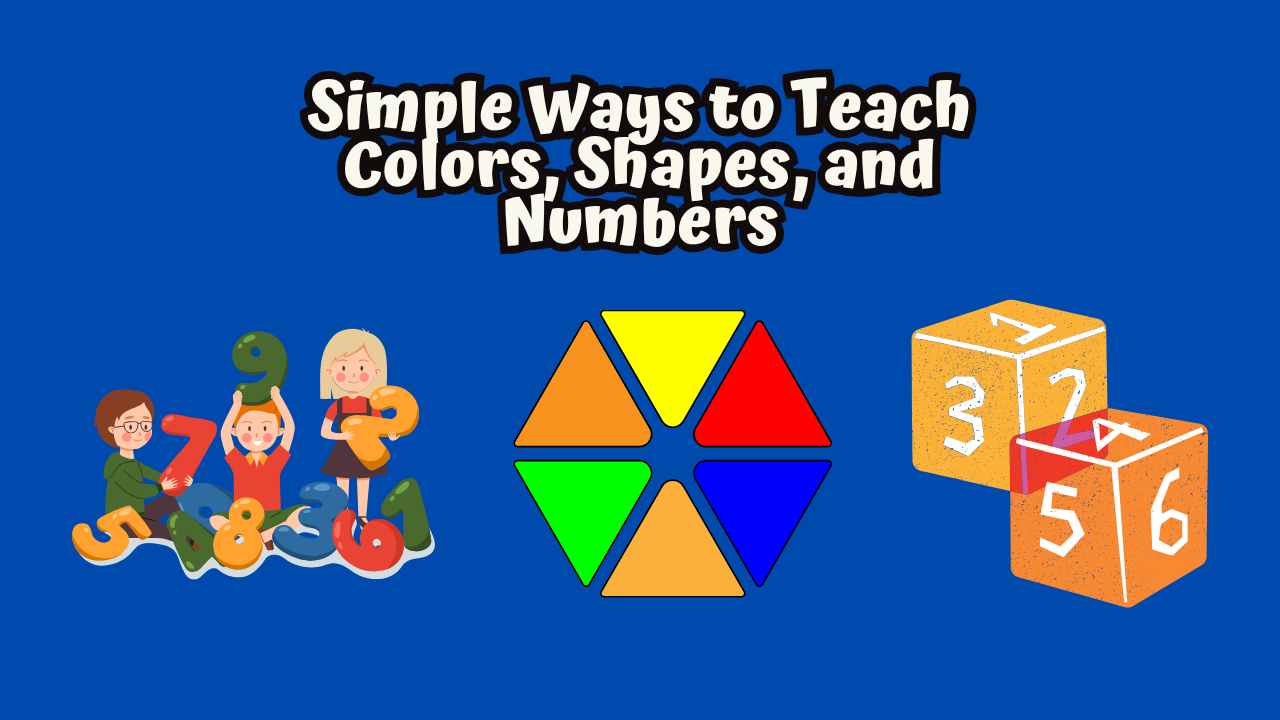
Teaching young children basic concepts like colors, shapes, and numbers does not have to be difficult or stressful. In fact, the best learning often happens at home through simple daily activities. With a little creativity, parents can turn everyday moments into fun learning experiences. By using play, conversation, and routine activities, children can learn naturally and happily.
To begin with, teaching colors can be very easy because colors are everywhere. Parents can start by naming colors during daily activities. For example, when getting dressed, you can say, “This is your blue shirt” or “Let’s wear the red shoes today.” Over time, children will begin to recognize and remember these colors. Another simple way is to use toys or household objects. You can ask your child to group objects by color, such as putting all the yellow items together. This activity helps children learn to identify and compare colors in a fun way.
In addition, art activities are very helpful for learning colors. Children can use crayons, colored pencils, or paint to explore different colors. While they are drawing or coloring, parents can ask simple questions like, “What color are you using?” or “Can you find the green crayon?” These questions encourage children to think and respond while enjoying the activity.
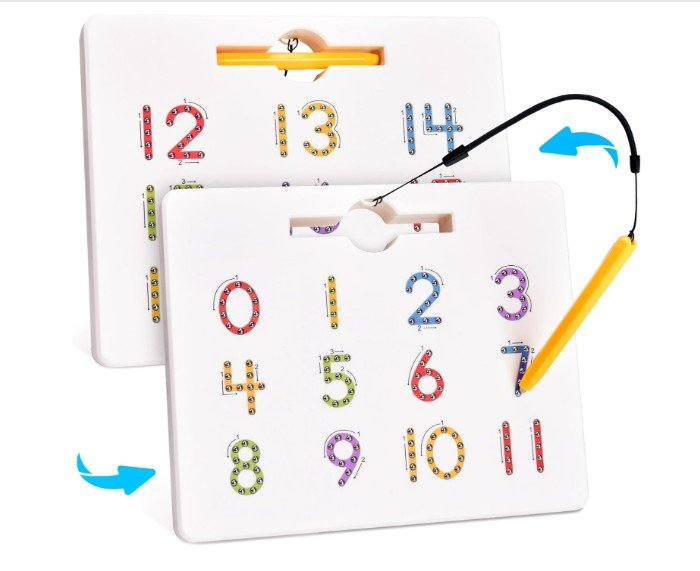
2-in-1 Number Tracing Board – Magnetic Writing Toy for Kids
Next, shapes can also be taught through everyday experiences. Many objects at home have clear shapes that children can recognize. For example, a plate is a circle, a book is a rectangle, and a window may be a square. Parents can point out these shapes and name them during daily routines. This helps children connect shapes with real objects.
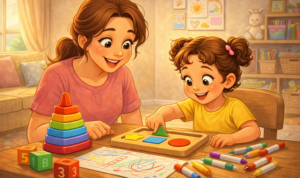
Another effective way to teach shapes is through play. Building blocks, puzzles, and sorting toys are great tools for learning shapes. Children can match shapes, build simple structures, or complete puzzles. These activities help them understand how shapes look and how they fit together. Additionally, drawing shapes on paper and asking children to trace or copy them can improve both their recognition and motor skills.
When it comes to teaching numbers, daily routines also provide many opportunities. Counting can be introduced in simple ways, such as counting toys, steps, or snacks. For example, you can say, “Let’s count your apples: one, two, three.” Repeating this often helps children understand numbers and quantity.
Songs and rhymes are also very useful for learning numbers. Many children enjoy counting songs because they are fun and easy to remember. Singing together helps children learn numbers in a relaxed and enjoyable way. In addition, parents can use fingers to count, which gives children a visual and physical way to understand numbers.
Furthermore, simple games can make learning numbers more exciting. For example, you can play a game where your child has to find a certain number of objects, such as “Find three balls” or “Bring me two books.” This type of activity helps children connect numbers with real-life situations.
It is also important to be patient and supportive during the learning process. Every child learns at their own pace, so parents should not rush or pressure them. Instead, they should encourage and praise their child’s efforts. Positive support helps children feel confident and motivated to learn more.
Finally, consistency is key. Short and regular learning moments are more effective than long and tiring lessons. Even a few minutes each day can make a big difference over time. By repeating simple activities, children can remember what they learn more easily.
In conclusion, teaching colors, shapes, and numbers at home can be simple, fun, and effective. By using daily activities, play, and gentle guidance, parents can help their children learn these basic concepts naturally. With patience, creativity, and consistency, children will develop strong early skills that support their future learning.
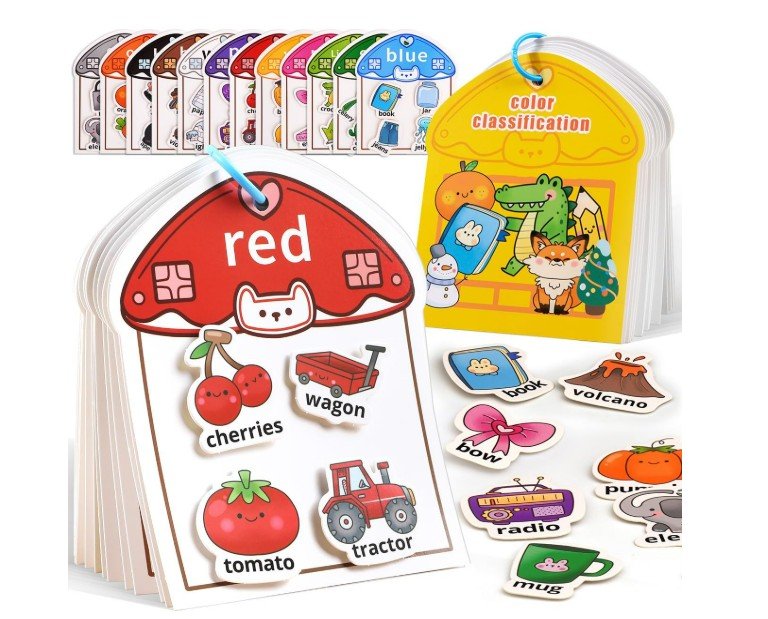
Montessori Busy Book for Toddlers – Color Matching Game