


The Difference Between Formal, Non-Formal, and Informal Education
Education is an important part of both individual and social development. Through education, we develop knowledge, skills, and values in life. Education comes in different forms. Understanding the differences between formal, non-formal, and informal education is important so we can realize how learning and development happen throughout our lives. This article explains each type of education clearly and simply, with examples to make it easy to understand.
Formal Education
Definition:
Formal education is a structured system of education organized by the government or private institutions. It follows a fixed curriculum and is carried out in a systematic and organized way.
Characteristics:
- Structured curriculum: Follows an official curriculum set by authorities.
- Assessment system: Students are evaluated through tests and given grades.
- Certified programs: Graduates usually receive certificates, diplomas, or degrees.
- Classroom setting: Learning usually takes place in classrooms or lecture halls.
Examples:
- Primary and secondary schools
- Colleges or universities
- Professional training institutions
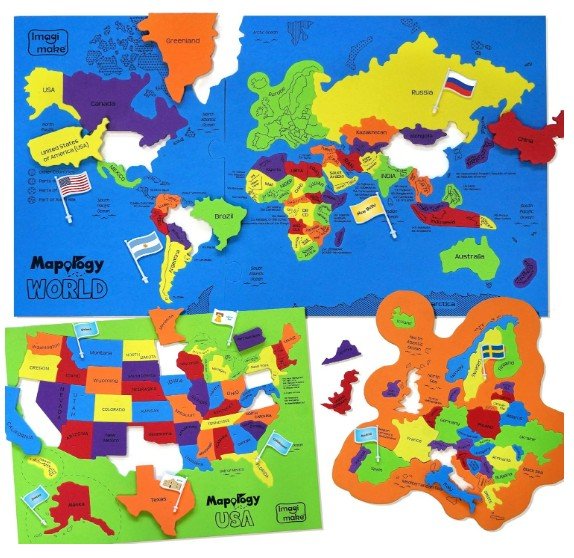
Interactive World Map Puzzle for Kids with Capitals & Flags
Non-Formal Education
Definition:
Non-formal education refers to organized learning activities that take place outside the formal education system. It is more flexible and often includes community education, adult education, and skill training.
Characteristics:
- Organized but flexible: Has a structure but is more flexible than formal education.
- Goal-oriented learning: Usually designed for specific groups or needs.
- Short-term programs: Focuses on specific skills or knowledge in a shorter time.
- Optional certification: Some programs provide certificates after completion.
Examples:
- Community education programs
- Literacy classes for adults
- Online courses and workshops
- Job skills training
Informal Education
Definition:
Informal education is a lifelong learning process gained from daily experiences and interactions with the surrounding environment.
Characteristics:
- Unstructured: Does not follow a formal curriculum or assessment system.
- Self-directed learning: Individuals learn naturally through experience.
- Flexible: Can happen anytime and anywhere.
- Practical knowledge: Focuses more on life skills and real-life experience.
Examples:
- Learning to cook from family members
- Learning computer skills through online tutorials
- Learning a language from daily conversations
- Observing and practicing tasks in the workplace
Conclusion
Understanding the differences between formal, non-formal, and informal education helps us realize that learning does not only happen in school, but also in many life situations. Formal education provides structured and officially recognized learning. Non-formal education offers organized but more flexible learning. Meanwhile, informal education is a natural, lifelong learning process. All three types of education are equally important and play unique roles in personal and professional development.
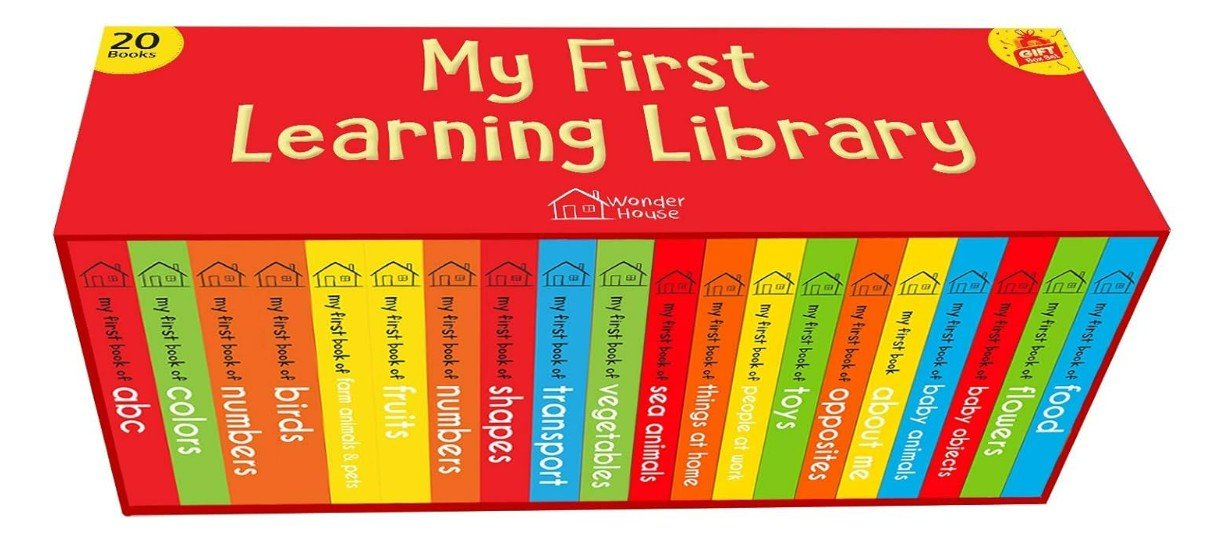
My First Learning Library – 20 Board Books for Toddlers