

The Importance of Play-Based Learning in Early Childhood Development
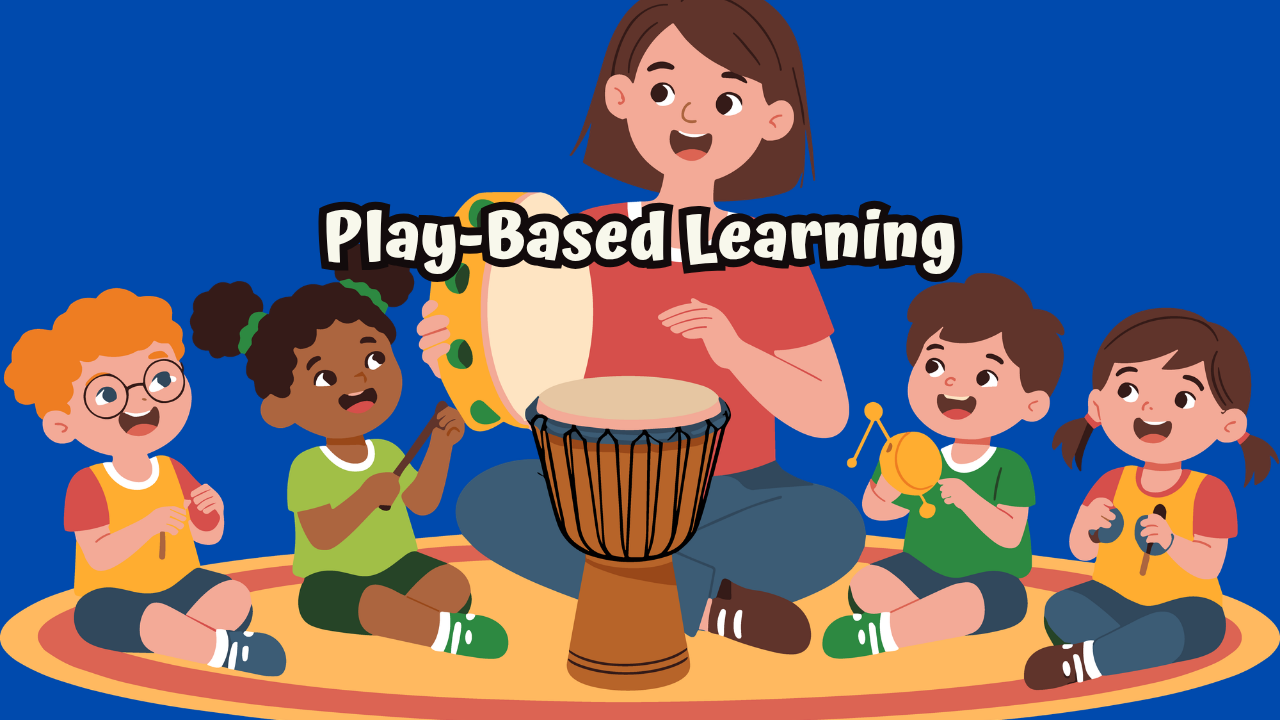
Play is a natural and important part of every child’s life. For young children, play is not only about fun, but also about learning. Through play, children explore the world, express their ideas, and develop many important skills. That is why play-based learning is essential in early childhood development.
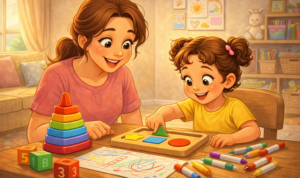
First, play helps children develop their thinking skills. When children play with blocks, puzzles, or simple games, they learn how to solve problems and make decisions. For example, when building a tower, a child learns how to balance objects and understand what happens when the tower falls. These small experiences help children think more clearly and logically. As a result, their cognitive skills grow in a natural and enjoyable way.


Next, play also supports language development. During play, children often talk to their friends, parents, or teachers. They ask questions, share ideas, and learn new words. For instance, when children play pretend games like a shop or a house, they practice speaking and listening. This helps them improve their vocabulary and communication skills. Over time, they become more confident in using language.

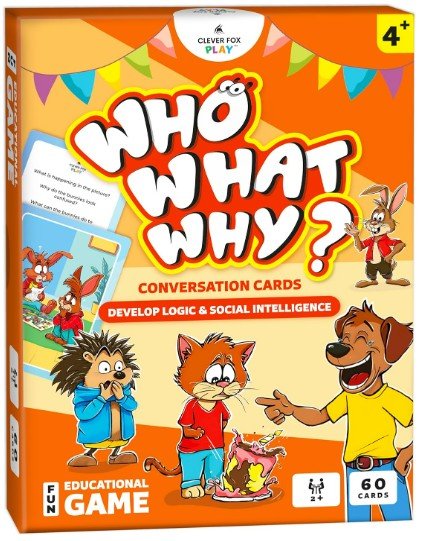
Who What Why Game – Kids Social Skills & Critical Thinking
In addition, play is very important for social development. When children play together, they learn how to interact with others. They practice sharing, taking turns, and working as a team. Sometimes, they may face small conflicts, such as wanting the same toy. In these moments, they learn how to solve problems and understand others’ feelings. These social experiences help children build strong relationships and develop empathy.
Play also plays a key role in emotional development. Through play, children can express their feelings freely. For example, they may show happiness when they win a game or frustration when something does not work. Pretend play also allows children to act out real-life situations, which helps them understand their emotions better. As a result, children learn how to manage their feelings and build self-confidence.
Furthermore, play-based learning makes learning more enjoyable. Children are naturally curious, and play keeps them interested and active. When learning feels fun, children are more motivated to explore and try new things. This positive attitude toward learning can continue as they grow older and face new challenges.
In conclusion, play-based learning is very important in early childhood development. It helps children grow in many areas, including thinking, language, social skills, and emotions. Most importantly, it makes learning fun and meaningful. Therefore, parents and teachers should give children enough time and opportunities to play, so they can learn and develop in the best possible way.

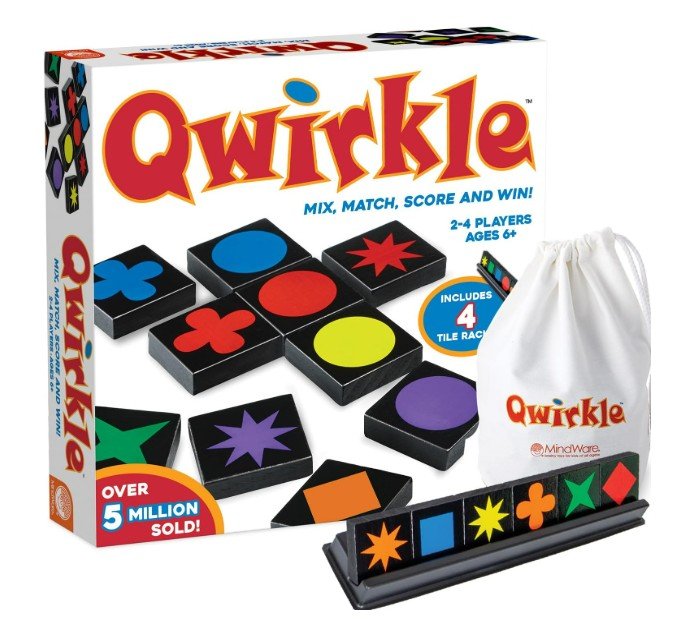
Qwirkle Board Game Deluxe – Smart Strategy for Kids & Family