


Easy Organic Gardening Guide for Beginners: Grow Healthy Plants Naturally
Introduction
Organic gardening is becoming more popular every year. It is not just a trend, but a smart way to live healthier and protect the environment. Whether you are new to gardening or already have experience, organic gardening can be fun, relaxing, and rewarding.
In this guide, you will learn simple and practical tips to start your own organic garden and help your plants grow naturally.
What Is Organic Gardening?
Organic gardening means growing plants without using synthetic chemicals. This includes avoiding artificial fertilizers, pesticides, and herbicides.
Instead, you use natural materials and methods to care for your plants. The goal is to create a healthy and balanced ecosystem where soil, plants, and helpful insects can grow together.
Why Healthy Soil Is So Important
Healthy soil is the key to successful organic gardening. Unlike conventional gardening, organic methods focus on long-term soil fertility.
You can improve your soil by adding:
-
Compost
-
Animal manure
-
Cover crops
Compost is especially important. It is made from kitchen waste and garden leftovers. Compost helps the soil hold water, improves airflow, and provides nutrients for plants.
🌿 Recommended Gardening Tools
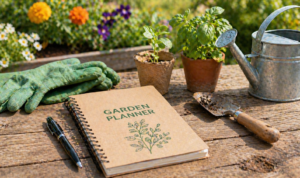
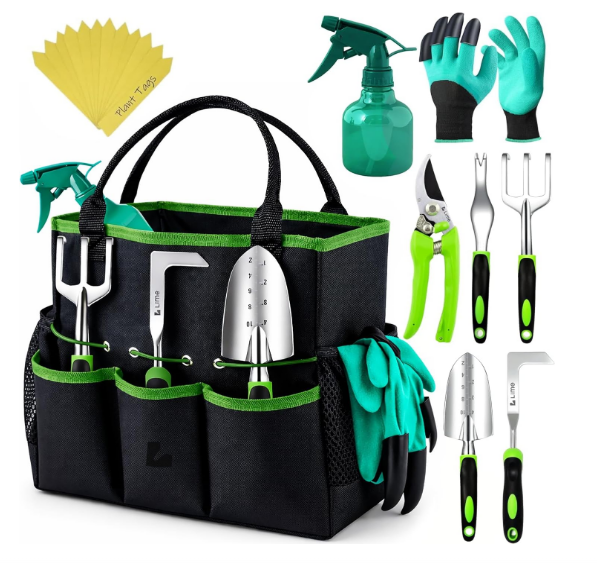
To make organic gardening easier, many beginners use simple tools that support natural growing methods. Here are some useful products you can find:
Small Gardening Tool Set | Self-Watering Pots | Organic Potting Soil Mix | Neem Oil Spray |
| 
| 
| 
|
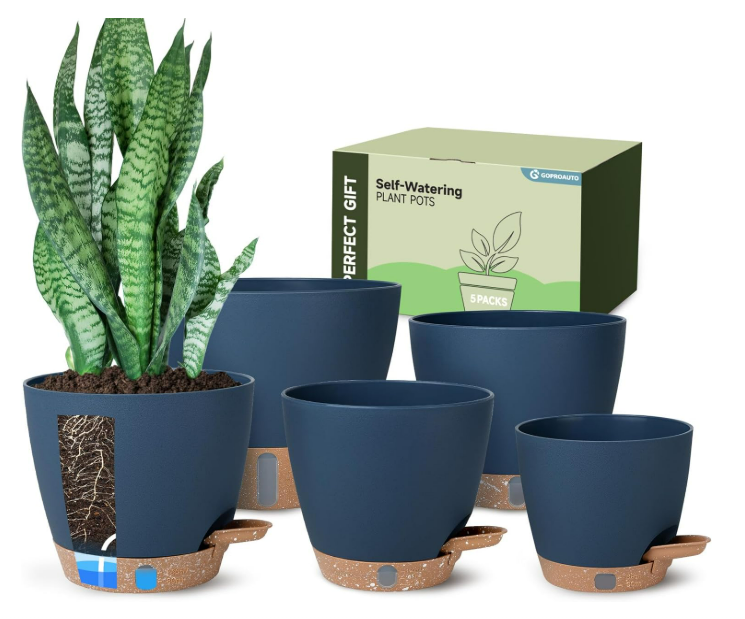
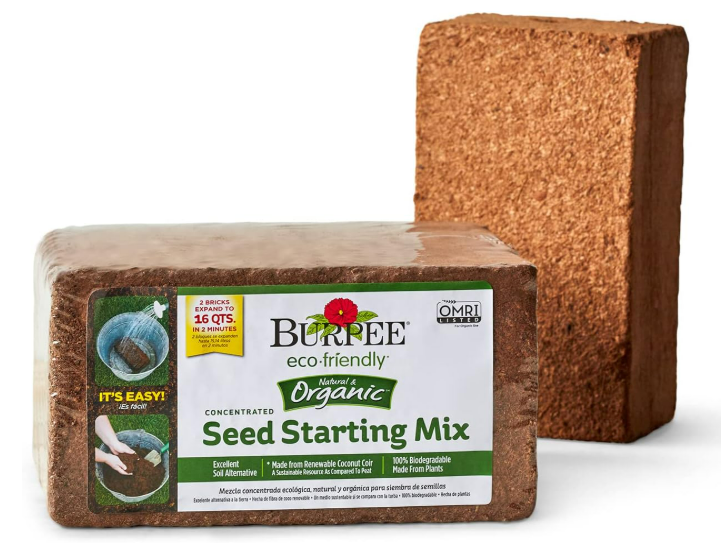
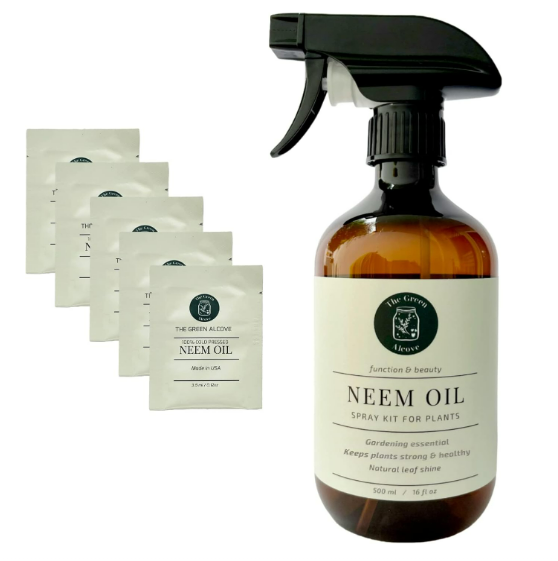
An all-in-one, durable gardening tool set with ergonomic comfort and a handy storage bag—perfect for making every gardening task easier and more enjoyable. 🌱 | A smart self-watering planter set with multiple sizes and a clear water indicator—making plant care effortless, precise, and perfect for any home garden. 🌿 | A sustainable coconut coir growing mix that expands easily and boosts seed growth—perfect for healthier plants and eco-friendly gardening. 🌱 | This neem oil spray kit makes up to five 16 oz bottles of 100% pure cold-pressed solution—an easy, natural way to protect and care for your indoor and outdoor plants. |
Choosing the Right Plants
Selecting the right plants is very important. Choose plants that match your local climate and soil.
Local or native plants are usually stronger and easier to grow. They are also more resistant to pests and diseases.
Using open-pollinated or local seeds is also a good idea. These seeds help maintain plant diversity and adapt better to the environment.
Natural Ways to Control Pests
Pest control without chemicals can be challenging, but it is possible. The key is prevention and early action.
Here are some simple methods:
Companion Planting
Some plants protect others. For example:
-
Marigolds help repel harmful pests
-
Basil protects tomato plants
Beneficial Insects
Insects like ladybugs and lacewings eat harmful pests and help your garden stay healthy.
Crop Rotation
Changing plant locations each season prevents pests and diseases from building up in the soil.
Physical Protection
Use nets or covers to protect plants from insects and animals.
Natural Sprays
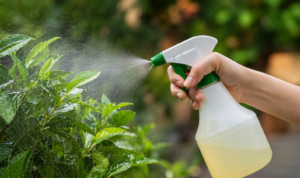
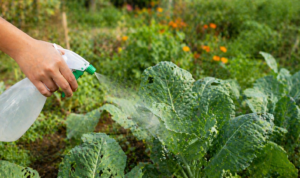
Use neem oil, insecticidal soap, or homemade sprays from garlic and chili.
Watering and Mulching Tips
Proper watering is very important. Too much water can damage plants and wash away nutrients.
Drip irrigation is a great method because it sends water directly to the roots and reduces waste.
Mulching is also very helpful. You can use:
-
Straw
-
Dry leaves
-
Grass clippings
Mulch helps keep soil moist, reduce weeds, and control temperature. It also adds nutrients as it breaks down.
Why Biodiversity Matters
A garden with many types of plants is stronger and healthier. This is called biodiversity.
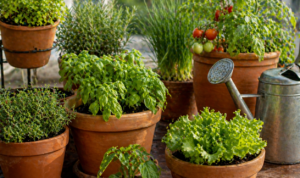
Growing flowers, vegetables, and herbs together attracts helpful insects and pollinators. This creates a natural balance and reduces pest problems.
Harvesting the Right Way
Harvest your plants carefully to keep them growing.
For leafy vegetables, pick only a few leaves at a time. This allows the plant to continue producing more leaves.
Keep Learning and Improving
Organic gardening is a continuous learning process. Every season brings new lessons.
You can learn by:
-
Reading books
-
Joining gardening groups
-
Trying new techniques
Be patient. Organic gardening may take more time, but the results are healthier and more sustainable.
Conclusion
Organic gardening is a simple and enjoyable way to grow your own food while protecting nature. By focusing on healthy soil, natural pest control, efficient watering, and plant diversity, you can build a strong and productive garden.
Start small, enjoy the process, and remember—every step you take helps create a healthier and greener world. 🌱